 Barley Hair Transplant HospitalBarley Hair Hospital
Barley Hair Transplant HospitalBarley Hair Hospital
Barley Hair Transplant HospitalBarley Hair Hospital
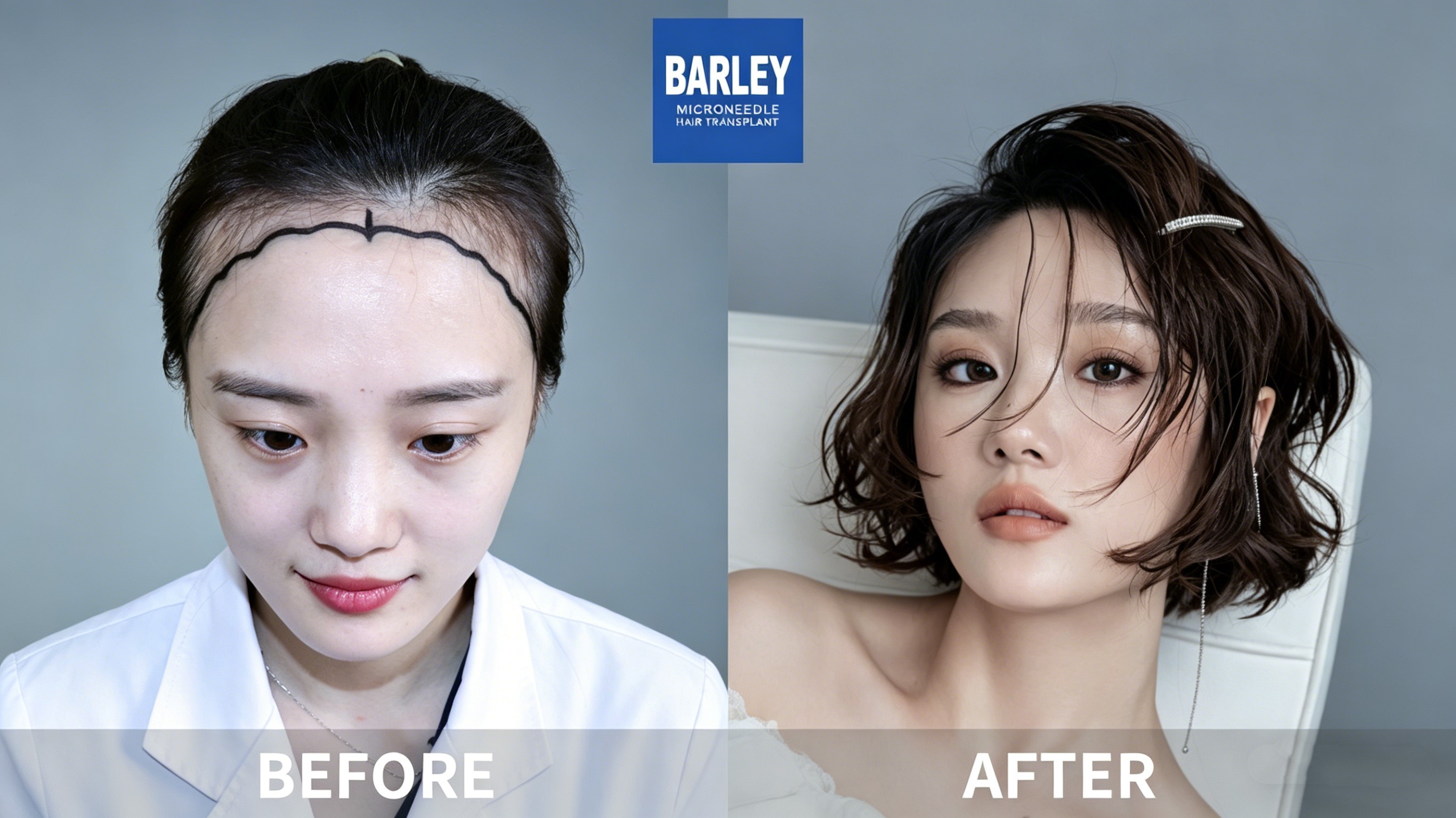
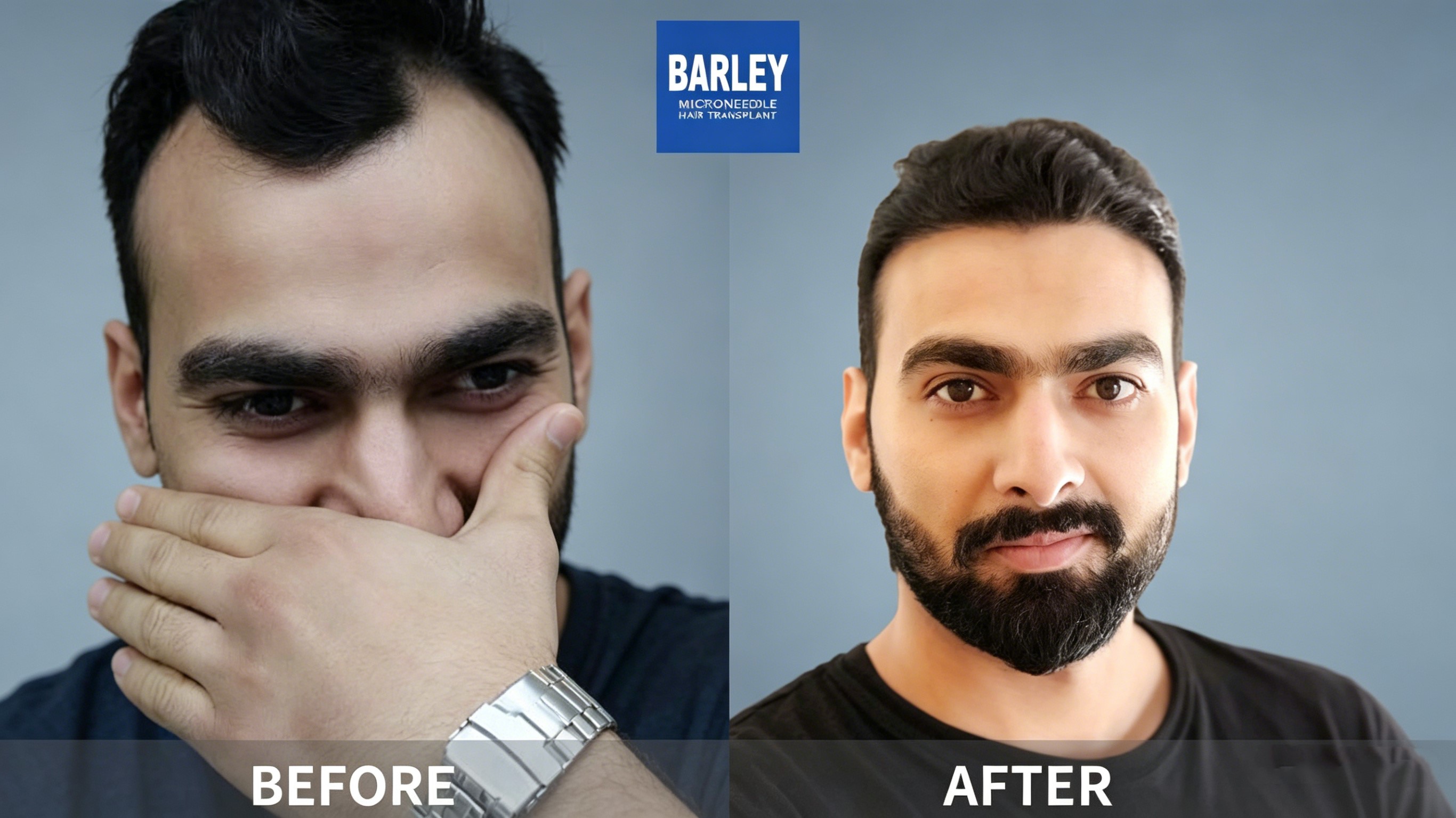
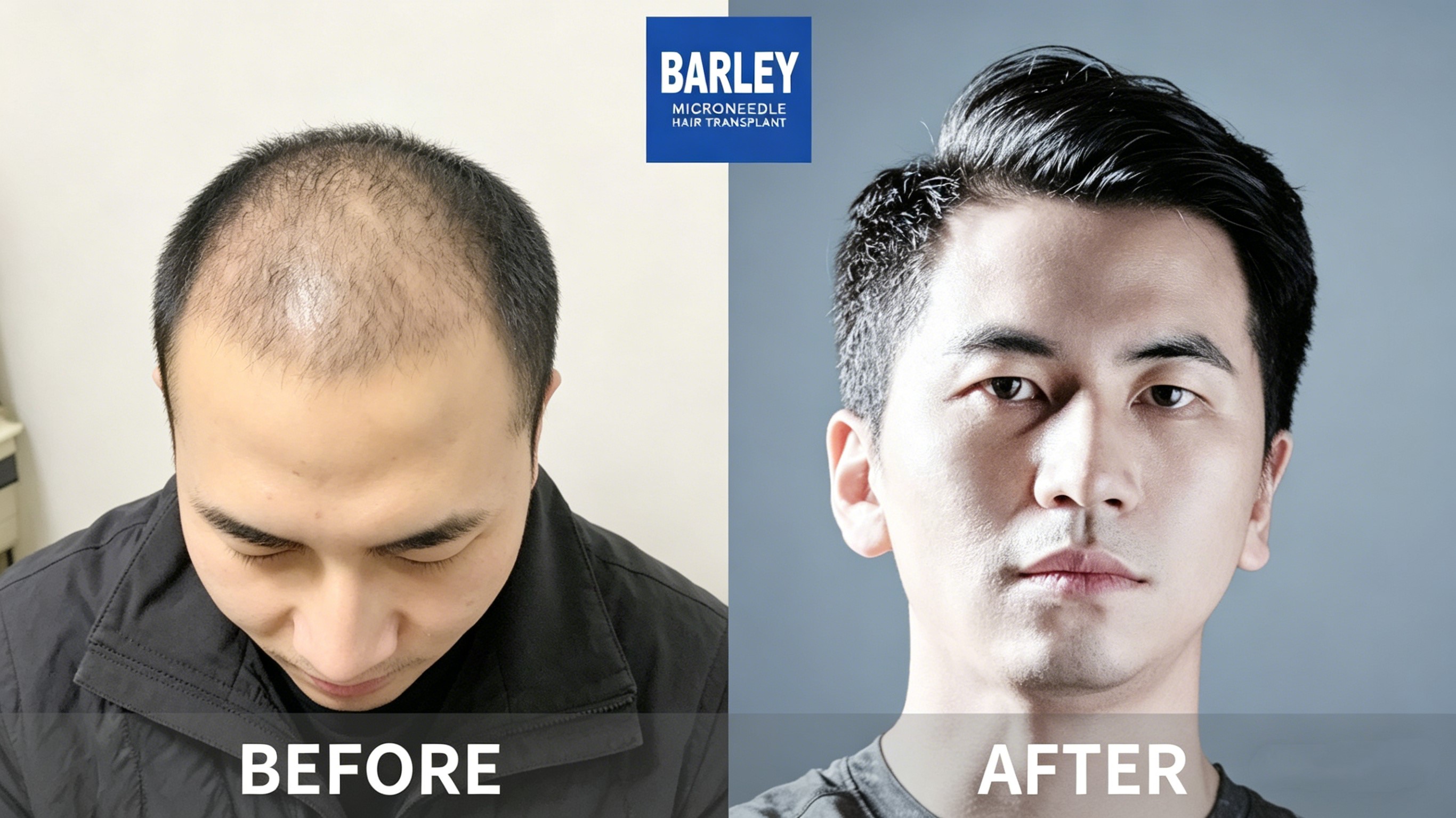
FUT (Follicular Unit Transplantation), also known as the "strip method," is a traditional hair transplant technique where a strip of scalp is removed from the donor area, dissected into individual follicular units under a microscope, and then implanted into the recipient area. While FUE has become more popular, FUT remains an excellent option for patients requiring large sessions.
A comprehensive overview of the FUT strip method
FUT has been the gold standard in hair transplantation for decades. The procedure involves removing a narrow strip of hair-bearing scalp from the back of the head (donor area), which is then carefully dissected into individual follicular units under stereo microscopes.
These follicular units are then implanted into the recipient area using precision instruments. The donor area is closed with sutures, and the resulting linear scar is typically hidden by surrounding hair.
At Barley, we offer both FUE and FUT options, ensuring each patient receives the technique best suited to their specific needs and goals.
Understanding each step of your FUT hair transplant journey
Meet with our specialists to assess your hair loss, donor area, and discuss whether FUT is the best approach for your needs.
The donor area is trimmed and prepared. Local anesthesia is administered for complete comfort throughout the procedure.
A narrow strip of hair-bearing scalp is surgically removed from the donor area using precision instruments.
The strip is carefully dissected into individual follicular units under stereo microscopes by skilled technicians.
Follicular units are carefully implanted into the recipient area at precise angles and directions for natural growth.
The donor area is closed with sutures. Stitches are typically removed after 10-14 days. Full recovery takes 2-3 weeks.
While FUE is more popular, FUT offers distinct advantages for certain patients
FUT can harvest 3,000-4,000+ grafts in a single session, ideal for extensive hair loss coverage.
Typically completed in 4-6 hours, faster than FUE for equivalent graft numbers.
FUT is generally more cost-effective per graft compared to FUE, making it more affordable for large sessions.
Microscopic dissection ensures minimal transection and maximum follicle preservation.
Decades of clinical success with well-documented long-term results and patient satisfaction.
Like FUE, transplanted hair is DHT-resistant and will grow naturally for life.
Compare both techniques to determine which is best for your needs
What to expect during your recovery from FUT hair transplant
Rest at home. Mild swelling and discomfort are normal. Keep head elevated while sleeping. Take prescribed medications as directed.
Swelling subsides. You can gently wash your hair. Small scabs form around grafts. Avoid strenuous activities.
Scabs fall off naturally. Stitches are removed around day 10-14. Donor area healing progresses well.
Transplanted hair begins to shed (shock loss) — this is completely normal. You can resume most normal activities.
New hair growth begins. Noticeable improvement in coverage and density. Hair gradually thickens.
Final results become visible. Hair has fully grown and matured. Enjoy your natural, permanent results!
Real experiences from patients who chose FUT for large-area restoration
"I'm a Norwood 6 and the surgeon told me FUE alone wouldn't give me enough density. I went with FUT — they harvested 3,800 grafts in one session and the cost per graft was noticeably lower. The linear scar is thin and my hair covers it completely when it grows to about 1.5 cm. I'm so glad I didn't need multiple FUE rounds."
"I was worried about the strip scar, honestly. It's been 8 months and the line is pale pink now, about as thin as a pencil mark. I wear my hair at a #2 guard on the sides and you genuinely cannot see it. My surgeon used trichophytic closure, which I'm told helps the scar blend better. The density I got was definitely worth it."
"The clinic quoted me two separate FUE sessions to cover my large bald crown. FUT did it in one go with 3,500 grafts, and the total price was about 35% cheaper. The stitches came out on day 11 without pain. I was back at my desk job in 12 days. For big coverage, FUT is simply more efficient financially and practically."
"I had a massive Norwood 7 pattern. The consultant explained that with FUT they can take a wider strip from the safe donor zone, utilizing more of the permanent hair than FUE punching would. The front half of my head now has real, thick coverage — something I didn't think was possible. The donor strip area healed cleanly and my hair still grows normally through it."
"Honestly? The linear scar was the part I feared most. The surgeon told me it would feel tight for the first few weeks and it did, but Tylenol was enough. By month 4 the scar had softened to a fine silvery line, and with my hair at medium length I can't find it even when I'm trying. The density across my frontal third is way better than I expected."
Everything you need to know about FUT strip hair transplant
Immediately after suture removal (days 10-14), the scar appears as a raised pink line. By month 2-3 it flattens and fades to pale red. Most patients report that at month 4-6 the scar has softened to a thin, silvery-white line that is completely covered by even 1-2 cm of surrounding hair. Using trichophytic closure technique, the scar is further camouflaged by hair growing through and around it. In most cases, once the donor hair has regrown to a #2 buzz cut length or longer, you cannot locate the scar even when actively searching for it.
Sutures (stitches) are typically removed between days 10 and 14 post-operatively. The removal itself takes about 10-15 minutes and is described by most patients as mildly uncomfortable rather than painful — more of a pulling or tickling sensation. No anesthesia is required. Some clinics use absorbable sutures that dissolve on their own, but non-absorbable sutures are preferred in FUT because they provide stronger, more even wound closure and slightly thinner scarring. You will be given a specific appointment date for suture removal during your discharge instructions.
FUT is particularly recommended for patients with Norwood Class 4, 5, 6, and 7 patterns. These grades involve extensive frontal, mid-scalp, and vertex loss that typically require 3,000+ grafts for meaningful coverage. In these cases, FUT's ability to harvest a large strip and produce 3,000-4,500 grafts in one session avoids the need for two or even three FUE procedures. Patients with earlier grades (NW 2-3) can absolutely do FUT as well, but FUE becomes equally viable because graft counts are lower.
Yes, for two reasons. First, the strip is dissected under a stereo microscope by skilled technicians, which results in slightly lower follicular transection rates — meaning more of your grafts arrive at the recipient site with both hair follicles intact per follicular unit. Second, because the grafts are not individually punched out of the scalp, there is slightly less crush or thermal trauma to the root sheath. Clinically this translates into approximately 5-10% higher final density at the 12-month mark for large sessions, though for smaller sessions the difference is barely noticeable.
Most experienced surgeons will take a strip between 1.0 cm and 1.8 cm in width. The upper safe limit depends on scalp laxity — how loose and stretchy your skin is. Patients with good laxity can comfortably tolerate up to 2.0 cm, while tighter scalps may be limited to 1.0-1.2 cm to avoid excess closing tension. Wider strips produce more grafts but increase the risk of a wider, thicker scar and a sensation of tightness that lasts for months. An experienced surgeon will measure your laxity during the consultation and recommend a strip width balanced for yield and cosmetic outcome.
Excessive tension at the closure line is the single most common reason for a wider or thicker FUT scar. Tension pulls the skin edges apart slightly during healing, which stimulates the body to lay down extra scar tissue. In the immediate post-op period it also causes prolonged soreness, a "pulling" feeling when you turn your neck, and occasionally small areas where the suture line dehisces (opens slightly). Proper tension assessment, laxity planning, layered closure technique, and a reasonable strip width all but eliminate this risk. If you notice your scar is widening after month 3, scar revision or micropigmentation can later improve the appearance.
Yes, most patients can safely undergo a second FUT procedure, typically no earlier than 8-12 months after the first. During the second session, the surgeon excises the original linear scar as part of the new strip, so you still end up with one single scar instead of two. Graft yield from a second strip is usually similar to the first as long as there is remaining donor hair above and below the original line. Third FUT sessions are less common but also possible when scalp laxity permits. Your surgeon will evaluate scar quality and scalp mobility during a follow-up appointment before scheduling a second strip harvest.
Reach out via WeChat, WhatsApp, or email — our team responds within 24 hours
Scan or add: 13730143529
Message: +86 137 3014 3529
Write to: [email protected]
Our specialists will help you choose the best approach based on your unique needs. Schedule your free consultation today.