Male Hair Loss Guide - Professional Hair Transplant Service

You're Not Alone in This

A clear, honest roadmap to understanding male hair loss — from root causes to treatments that actually work

Get Your Free Quote
Male Hair Loss Guide - Expert Hair Restoration

Know Your Stage. Take Back Control.

Understand the Norwood scale, learn how DHT affects your follicles, and discover the treatment path that's right for you

Get Your Free Quote
Male Hair Loss Guide - Natural Hair Results

The Sooner You Act, the Better Your Results

Early treatment preserves follicles — explore medications, transplants, and combined therapies before hair loss becomes irreversible

Get Your Free Quote
Educational Guide

Male Hair Loss Guide

Understand your hair loss and find the right solution
Male Hair Loss Guide

You're Not Alone

Hair loss affects about 50% of men by age 50 and up to 80% by age 70. The good news is that with early intervention and the right treatment plan, you can effectively manage and even reverse hair loss. This comprehensive guide will help you understand what's happening, why it's happening, and most importantly, what you can do about it.

  • Understand your hair loss type
  • Identify the causes
  • Learn treatment options
  • Know when to take action
  • Find your best solution

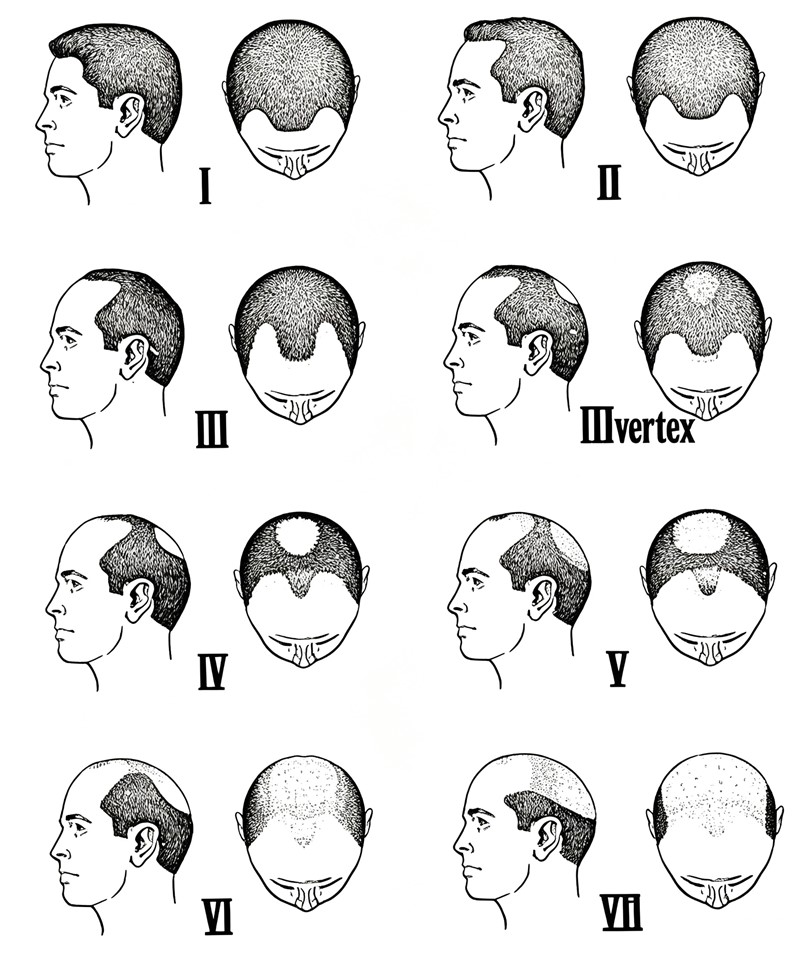
Norwood-Hamilton Scale

Identify your hair loss stage and take the first step toward recovery

1

Minimal Loss

No significant recession. Hairline appears normal.

Prevention stage
2

Early Recession

Slight temple recession creating subtle M-shape.

Start prevention
3

Noticeable Loss

Deep temple recession. Possible crown thinning.

Medication + therapy
4

Moderate Loss

Expanded crown bald spot. Thinning bridge between front and crown.

Combination treatment
5

Advanced Loss

Narrow bridge. Large areas of visible hair loss.

Transplant + medication
6

Extensive Loss

Bridge disappears. Only sides and back remain.

Surgical solution
7

Severe Loss

Only horseshoe band remains. Top entirely gone.
Advanced surgery
Norwood-Hamilton Scale - Male Hair Loss Stages

Types of Male Hair Loss

Identify what type of hair loss you're experiencing

Androgenetic Alopecia

  • Also known as Male Pattern Baldness
  • Most common type (95% of cases)
  • Receding hairline + crown balding
  • Genetic + hormonal cause
  • Progressive over time

Alopecia Areata

  • Patchy circular bald spots
  • Autoimmune condition
  • Sudden onset
  • Can affect any hair-bearing area
  • May regrow spontaneously

Telogen Effluvium

  • Generalized shedding
  • Stress-related (physical/emotional)
  • Usually temporary
  • Rapid hair thinning
  • Diffuse hair loss pattern

Causes of Male Hair Loss

Understand why you're losing hair

Genetics & Heredity

  • Family history is strongest factor
  • Inherited from either parent
  • Sets your pattern and timing
  • DHT sensitivity determined by genes
  • Can predict future loss pattern

Hormones & DHT

  • DHT = main culprit in hair loss
  • Causes miniaturization of follicles
  • Hair becomes thinner and shorter
  • Eventually follicles stop producing
  • DHT blockers can stop this process

Lifestyle Factors

  • Stress can accelerate hair loss
  • Poor nutrition weakens follicles
  • Lack of sleep impacts health
  • Smoking reduces blood flow
  • Excessive alcohol can worsen

What You Can Do About It

Practical solutions for every stage

Early Stage Treatment

  • Start with Minoxidil (topical)
  • Add Finasteride (DHT blocker)
  • Consider LLLT therapy
  • PRP treatments option
  • Supplements and nutrition

Moderate Stage Options

  • Continue medical therapy
  • Consider hair transplantation
  • FUE for natural look
  • Combine medications + surgery
  • Plan for comprehensive coverage

Advanced Stage Solutions

  • Hair transplant is primary solution
  • Strategic donor management
  • Body hair if needed
  • Stage the process over time
  • Combine with medical therapy

Your Action Steps

Take these steps to address your hair loss

1

Self-Assessment

Identify your stage using Norwood scale

2

Professional Consultation

Get expert evaluation and diagnosis

3

Start Treatment Early

Begin medical therapy if appropriate

4

Consider Transplant

Explore surgical options if needed

5

Follow-Up Care

Monitor progress and adjust as needed

6

Maintain Results

Continue treatment to keep your gains

Barley Hair Transplant Hospital Male Hair Loss Program Advantages

Why our comprehensive male hair loss program delivers superior, lasting results

Personalized Treatment Roadmap

We don't do one-size-fits-all. Based on your Norwood stage, age, goals, and donor availability, we create a customized roadmap that may include prevention, medical treatment, and/or surgical options.

Stage-Appropriate Solutions

Early stage — Focus on prevention. Advanced stage — Strategic transplantation. We match treatments to your specific stage for optimal results, avoiding unnecessary procedures or wasted effort.

Long-Term Success Planning

We don't just treat today — we plan for your future. Our programs include ongoing maintenance strategies, donor area management, and contingency planning to ensure lasting results over decades.

Why Choose Barley Hair Transplant Hospital

Industry leader with proven results

18+ Years Experience

Pioneer and leader in microneedle hair transplant technology since 2006

30+ Direct-operated clinics

Across major cities in China, all with the same high standards

10+ Patented Technologies

Innovative microneedle and implant pen technology for superior results

100K+ Successful Procedures

Trusted by patients from around the globe for remarkable results

English-speaking staff

Full English support for international patients throughout treatment

Safety First

State-of-the-art facilities and strict safety protocols for your peace of mind

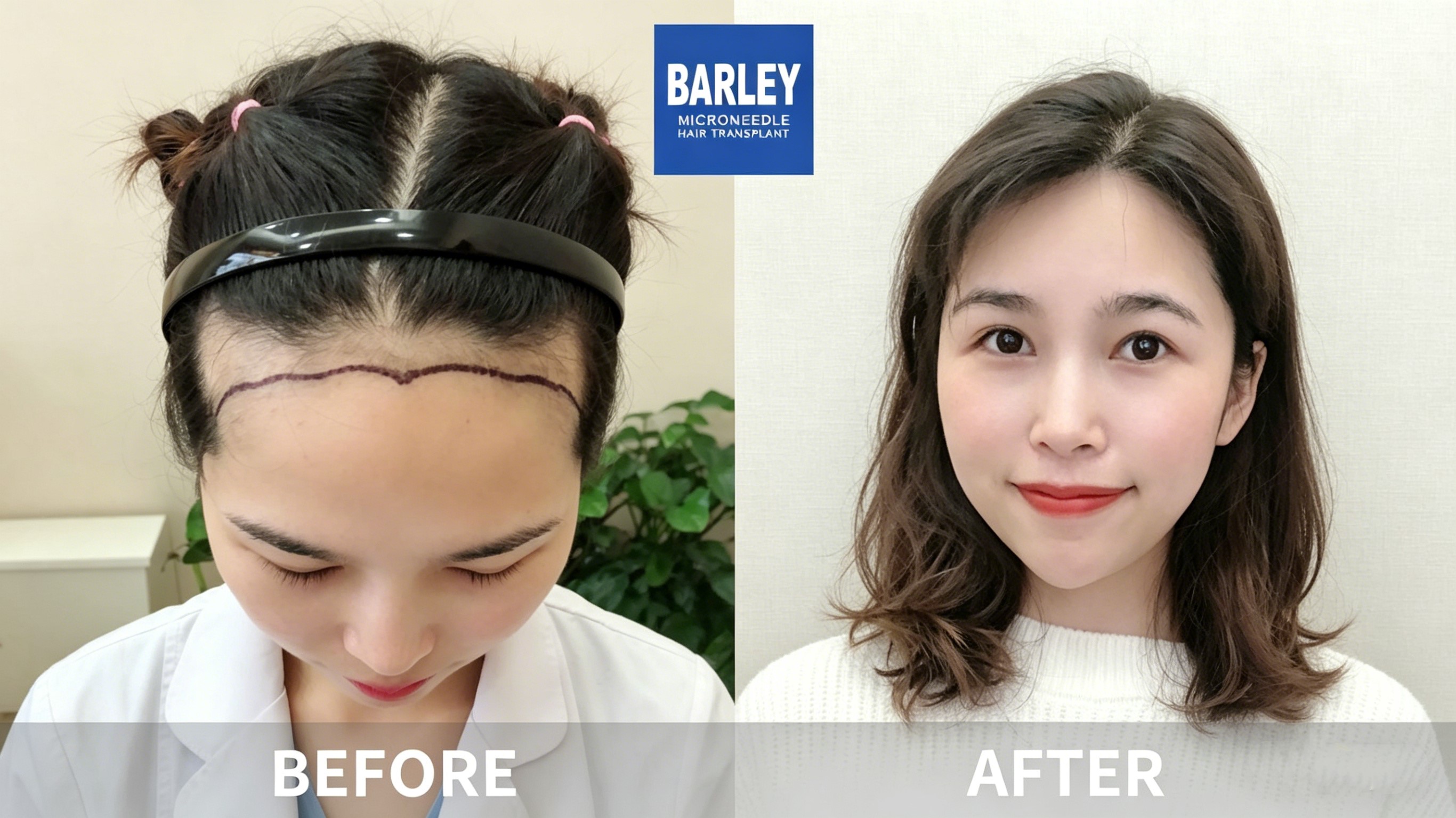
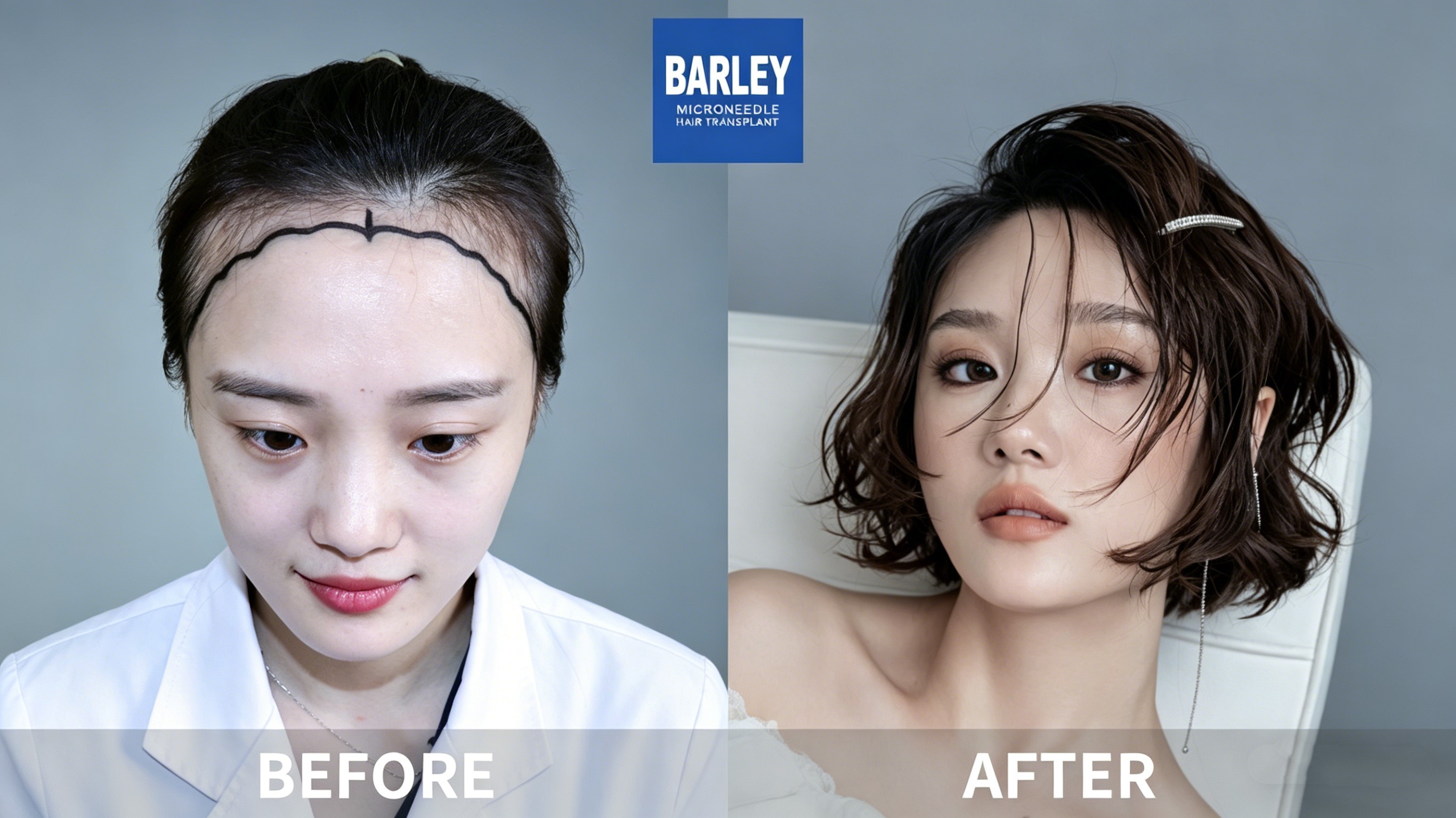
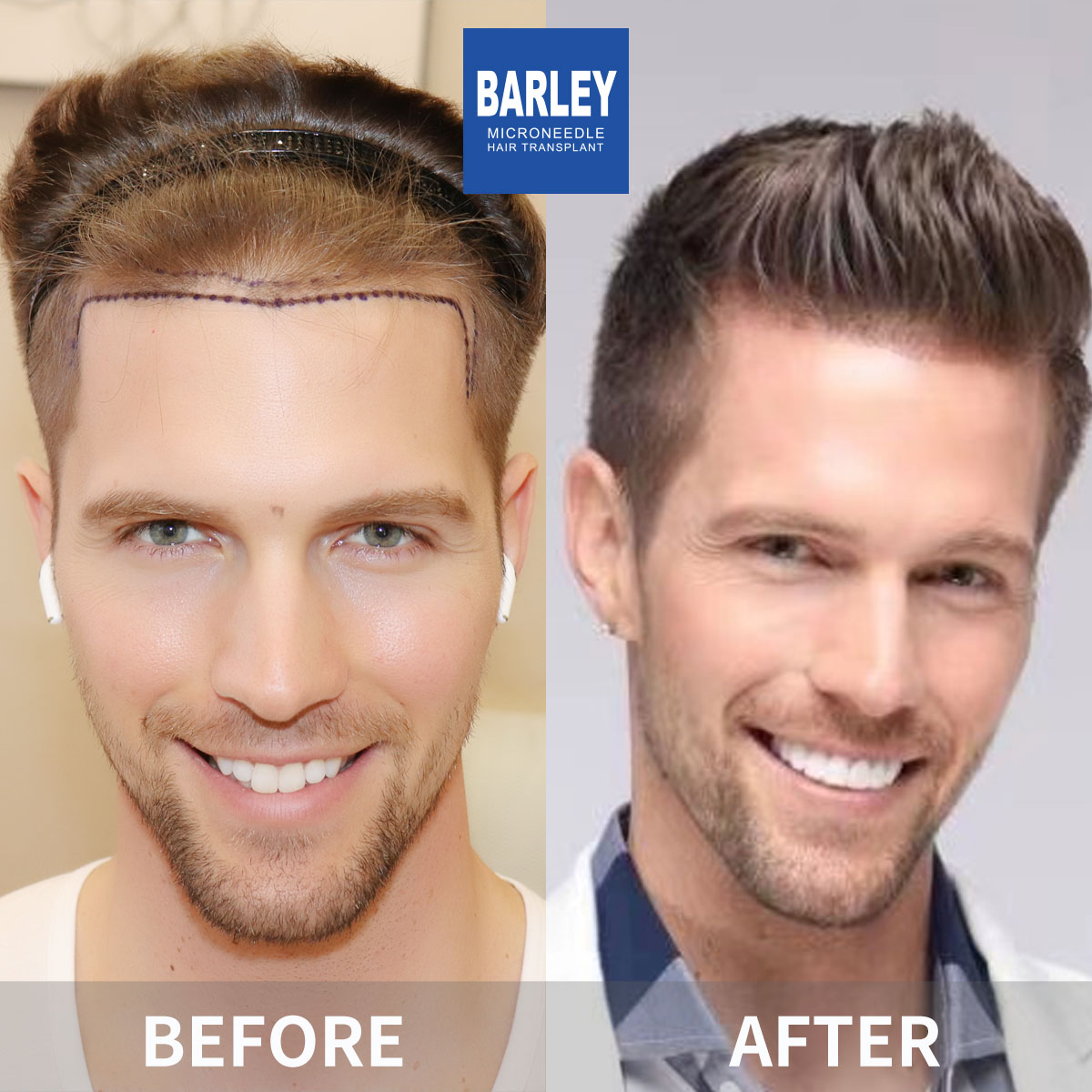
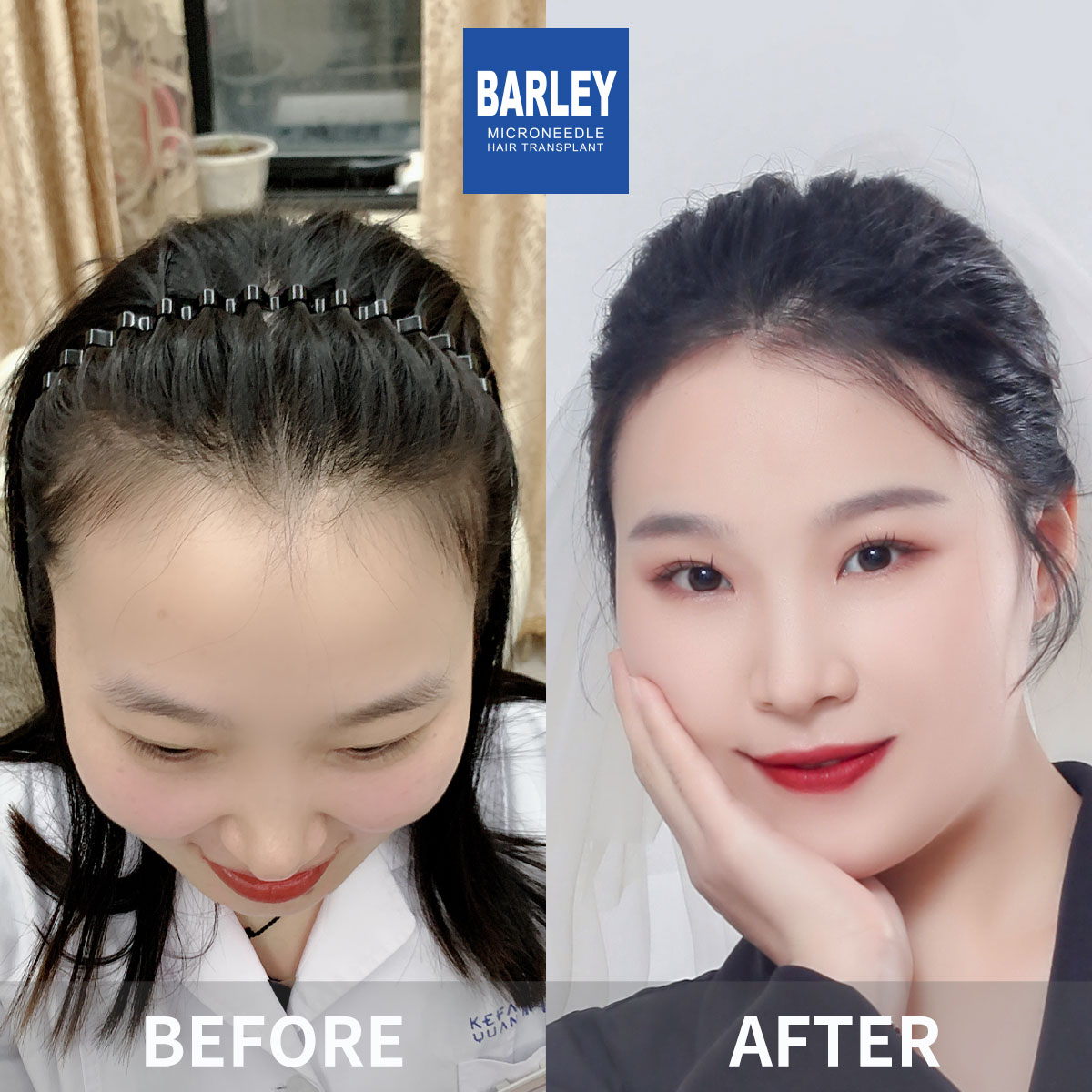
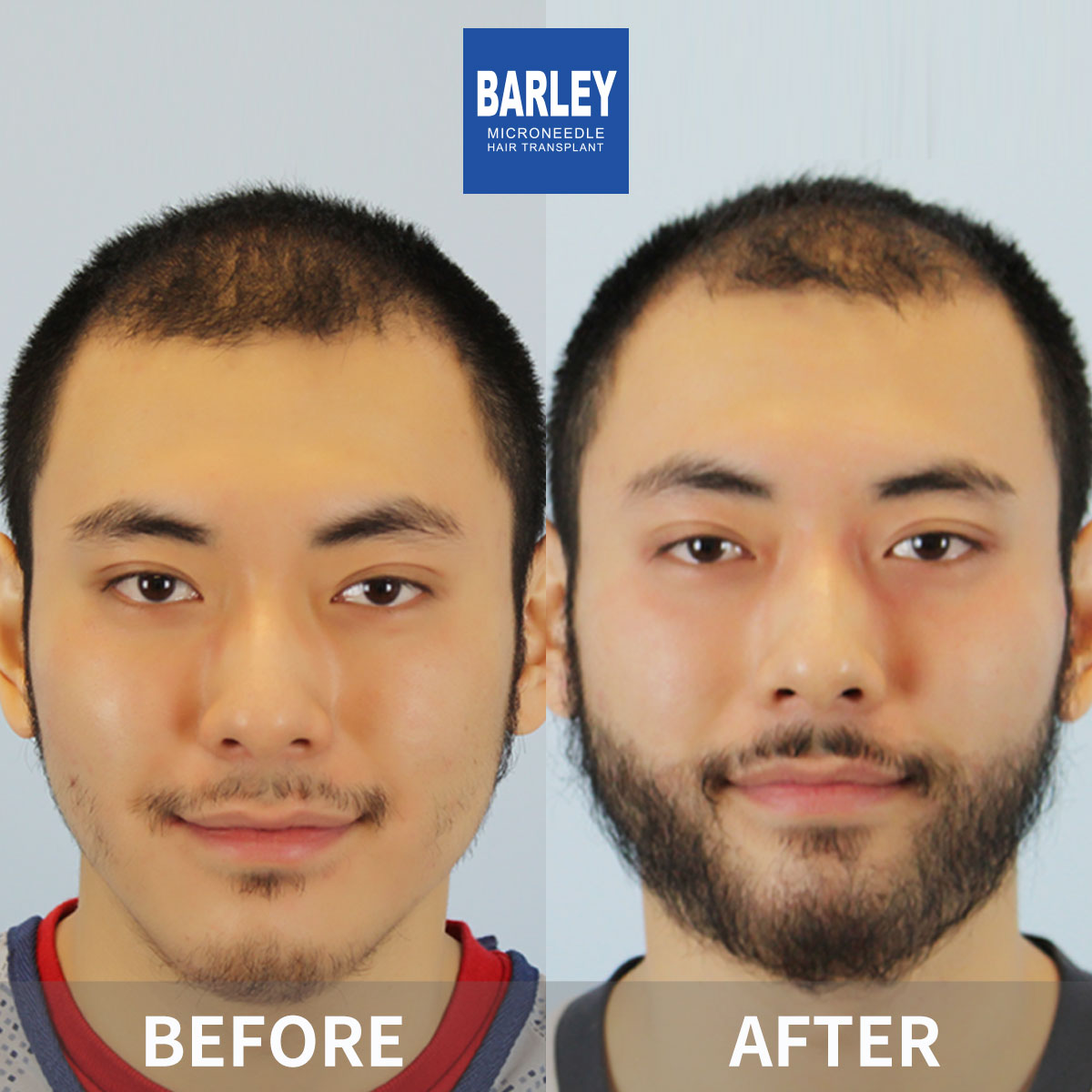
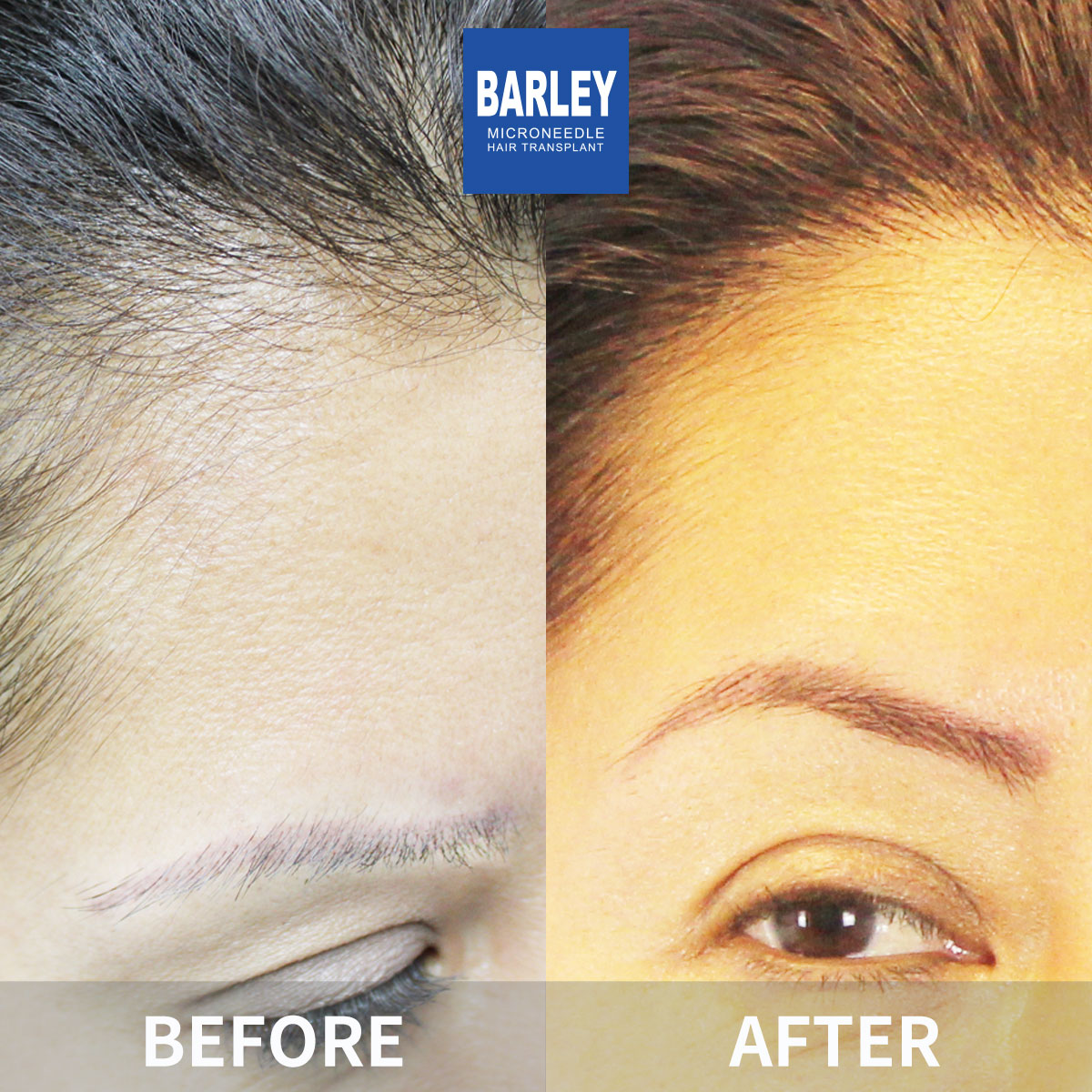
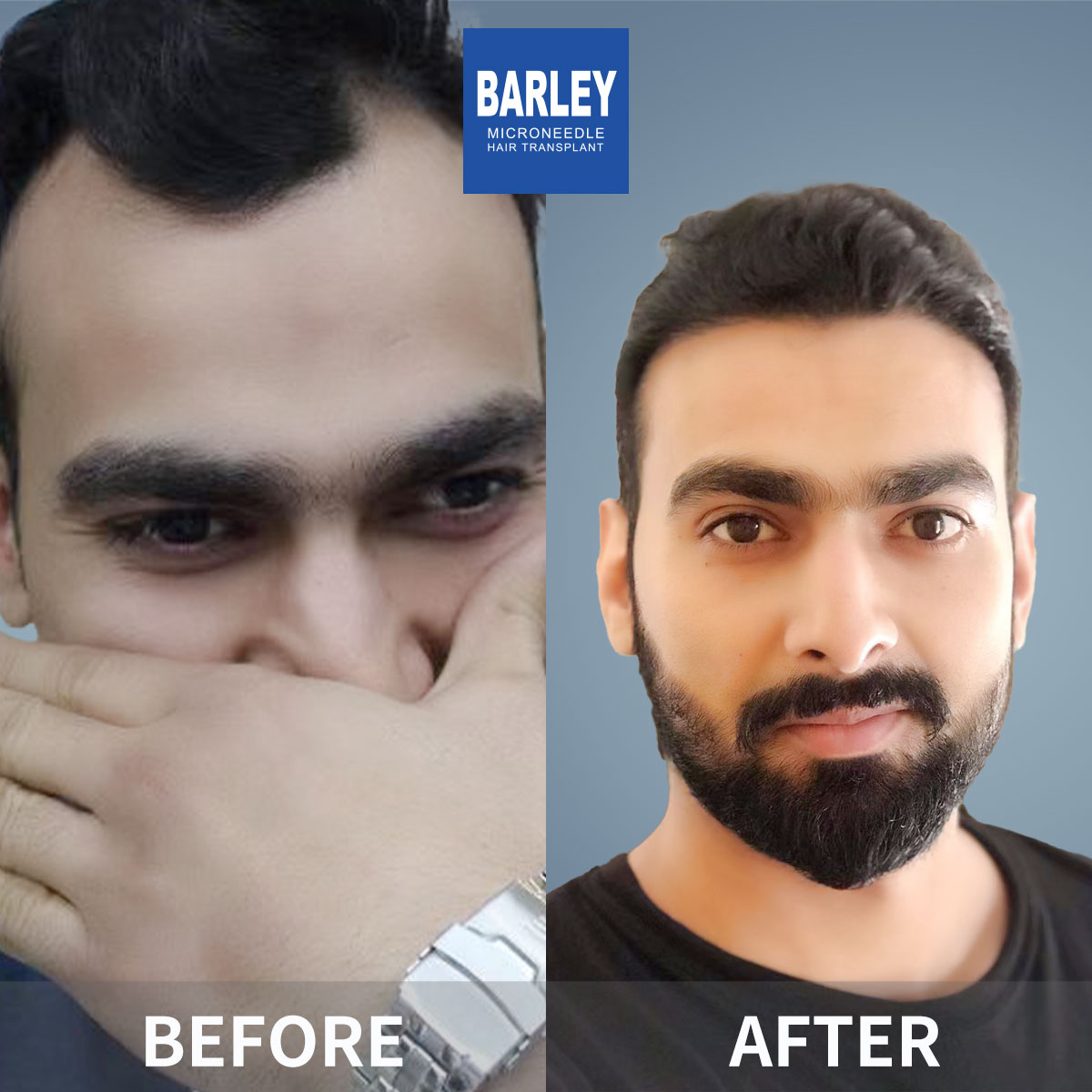
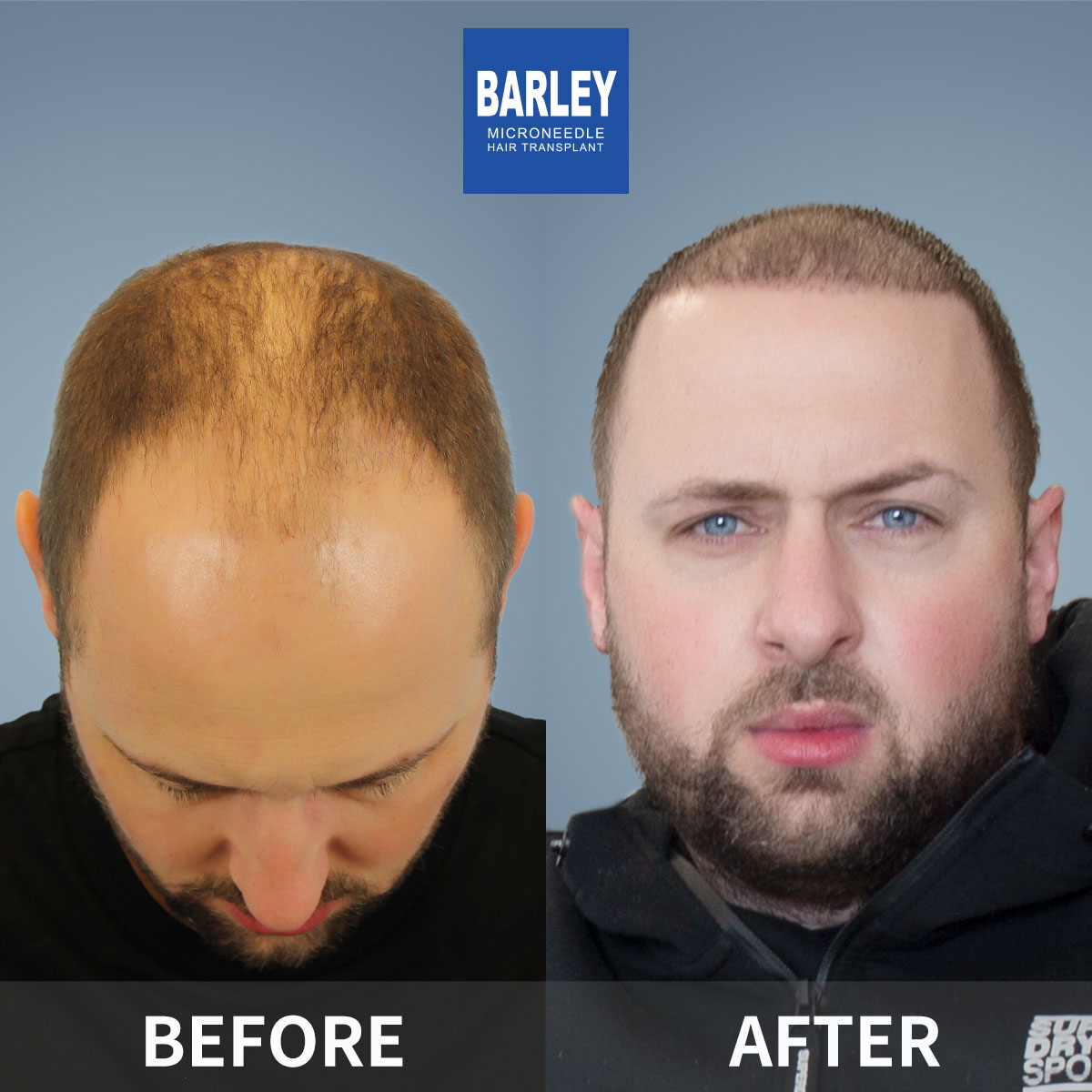
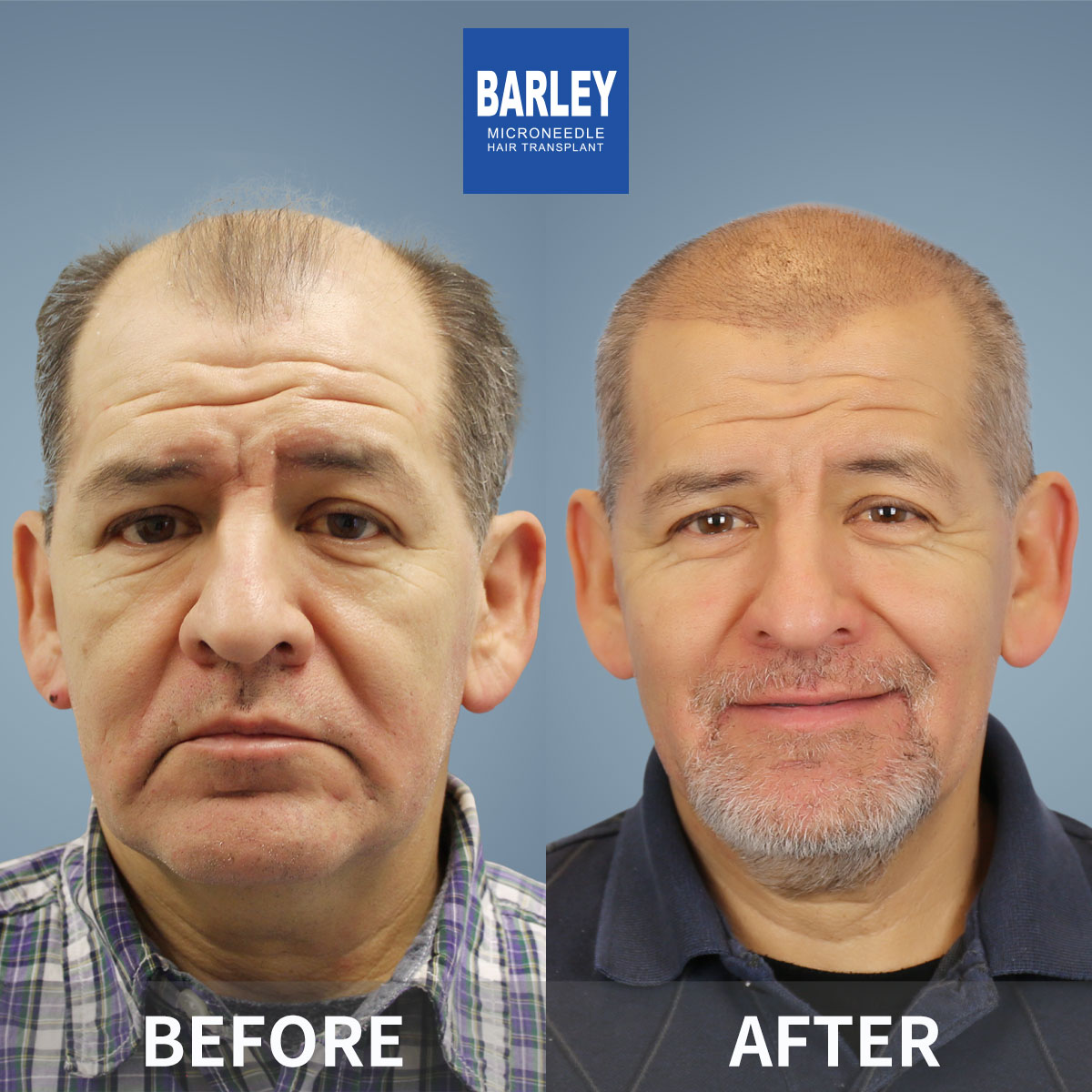
Real Results

See the amazing transformations our patients have achieved
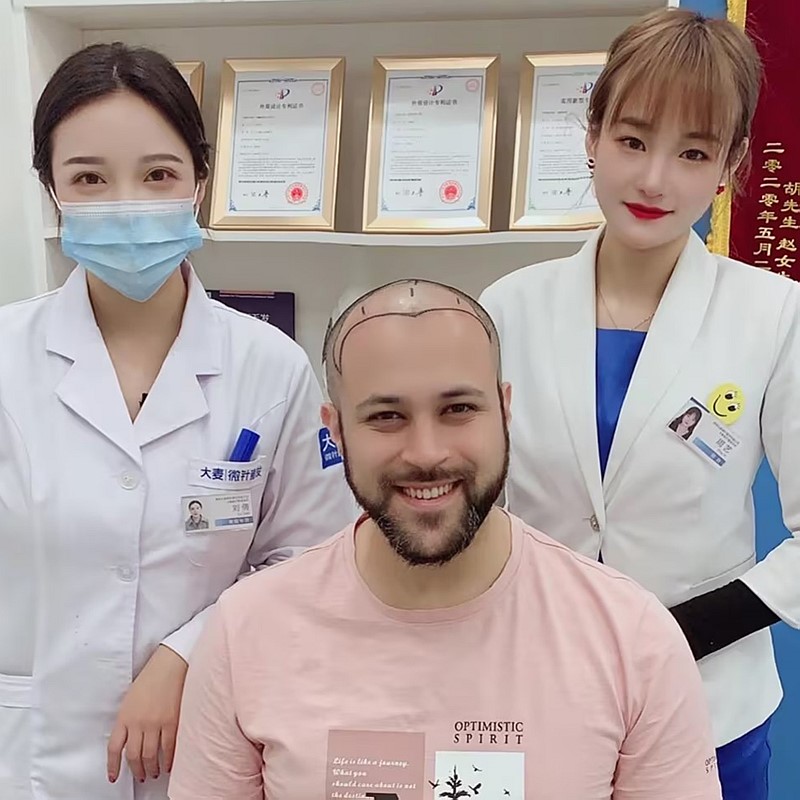
Happy Patients

Moments captured with our satisfied patients
Great Decision

Feeling Great

Guide pointed me in the right direction

Information Helped

Well-Informed Decision

Knowledge gave me confidence

Results Speak

The Results Speak

Exactly what I was hoping for

Confident Now

Confidence Restored

Feeling like myself again

Smart Choice

Best Decision

Guide helped me take action

Proven Results

Life-Changing Results

Worth every bit of the journey

Transformation

A Whole New Me

Transformation beyond hair

Success

Couldn't Be Happier

Exceeded my expectations

What Our Patients Say

Hear from our satisfied patients around the world

"I spent months guessing what stage I was at until this guide's Norwood scale section walked me through it. Turns out I was solidly Stage 2 with early temple recession — not the catastrophic Stage 5 I'd feared after scrolling panic-driven social media. I caught it so early that finasteride alone stabilised everything within six months. I'm 31 now and nobody would ever guess I'm losing hair."

DW

Declan Whitmore

South Africa

"I'd been bouncing between random shampoos and supplements for two years with zero progress. This guide broke down every proven option by Norwood stage, so I walked into Barley already knowing I wanted medication plus PRP rather than jumping straight to surgery. The team just refined the protocol and at the one-year mark my crown density is basically back to where it was at 25."

FC

Finn Caldwell

New Zealand

"The section on DHT and miniaturization finally made things click. I'd never understood why my hair was getting thinner rather than just falling out in clumps. The guide also explained donor-area dominance — why the back of the scalp survives even when the top doesn't. When I eventually decided on an FUE transplant at Barley, I went in fully informed rather than terrified."

AM

Arjun Mehra

Singapore

"I had two huge myths busted by this guide. First — shaving my head wasn't accelerating my loss, it was just making the miniaturised strands more visible. Second — the 100-hairs-a-day rule is real, I was panicking over normal seasonal shed. Once I stopped stressing and started a proper minoxidil routine per Barley's advice, the situation genuinely calmed down."

JM

Joaquim Mendes

Portugal

"The Norwood scale image included on this page is what finally pushed me to act. I held my phone up to the mirror comparing my temples and crown to the diagrams for about 20 minutes, then booked a consultation that same night. Barley's surgeon confirmed my self-diagnosis of Stage 3 vertex and scheduled 2,400 grafts a month later. I'm six months post-op and the new growth is already visible."

RN

Rafal Nowak

Poland

"Every single guy on my dad's side hit Norwood 5 by 35, so I resigned myself to the same fate. This guide kept hammering one point — early-stage intervention changes everything. I turned 27 last year, noticed the first temple softening, and immediately started the combined finasteride-minoxidil protocol Barley recommends. I'm now 29 and have not progressed an iota. I genuinely think I'll skip Stage 5 entirely."

MJ

Malik Johansen

Norway

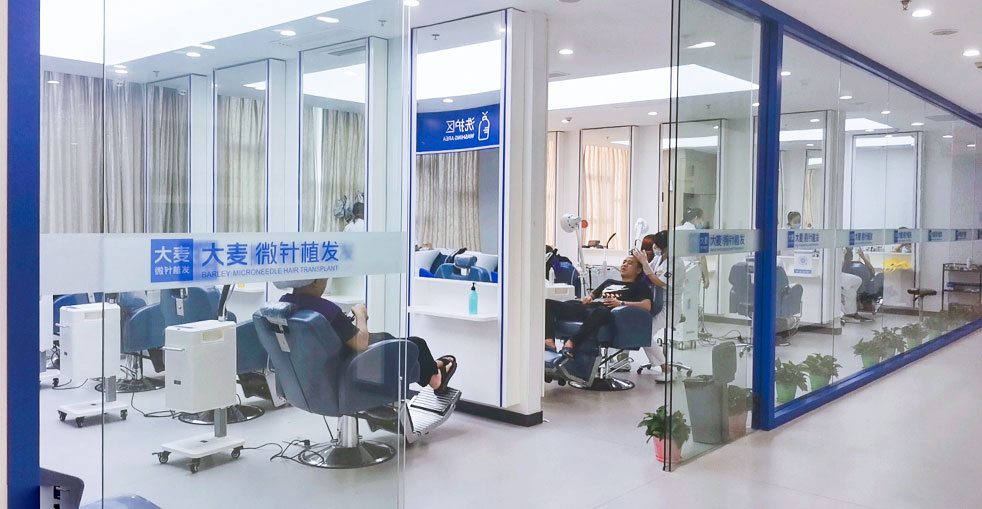
Our Clinic Environment

Experience our modern and comfortable facilities

Barley Hair Transplant Clinic Environment

Modern Clinic

Our state-of-the-art facility

Barley Hair Transplant Clinic Environment

Comfortable Waiting Area

Relax in our premium lounge

Barley Hair Transplant Clinic Environment

Operating Room

Sterile and advanced

Barley Hair Transplant Clinic Environment

Consultation Room

Private and professional

Barley Hair Transplant Clinic Environment

Recovery Area

Comfortable post-op space

Barley Hair Transplant Clinic Environment

Reception

Welcoming entrance

Frequently Asked Questions

Answers to the most common questions men have about hair loss, its causes, and available treatments

Do I really need treatment if I'm only Norwood Stage 1 or 2
Norwood Stage 1 is essentially a baseline mature hairline with no real miniaturization yet — most guys in their early 20s fall here and don't need treatment yet, just annual monitoring. Stage 2 is where the decision gets personal. If you have a strong family history of advanced baldness and you can see clear temple recession year over year, starting finasteride at Stage 2 can literally buy you a decade or more of full density. If there's no progression over 12 months, you can safely hold off. The biggest regret we hear from older patients is not starting at Stage 2 when they had the chance.
Is there enough donor hair for a Norwood Stage 7 patient
Norwood 7 is the most advanced pattern — only the horseshoe band at the back and sides remains. In most cases there IS enough donor hair for a strategic transplant, but the key word is strategic. A Norwood 7 patient cannot realistically cover the entire top of the scalp to teenage density. Instead, Barley surgeons focus on framing the face with a conservative, natural hairline and filling in the frontal third where baldness is most visible. Body hair from the chest or back can sometimes supplement a limited scalp donor supply. The goal is dignified coverage, not full restoration — managing expectations upfront is essential.
How many follicular units do men typically need by Norwood stage
Here is a realistic FU graft range Barley surgeons use for planning: Norwood 2 = 800-1,500 FU (temples only). Norwood 3 = 1,500-2,500 FU (temples + hairline). Norwood 3 Vertex = 2,000-3,000 FU (temples + crown). Norwood 4 = 2,500-3,500 FU (front + crown bridge). Norwood 5 = 3,000-4,000 FU (front-mid + crown). Norwood 6 = 3,500-4,800 FU (often split over 2 sessions). Norwood 7 = 3,000-4,000 FU (frontal focus only — strategic coverage). These are ballparks — donor density, hair caliber, and your goals all shift the final count.
How do I tell androgenetic alopecia apart from telogen effluvium
Male pattern baldness (AGA) is patterned and gradual — you lose hair specifically at the temples and crown in a predictable shape over years, and the hairs that come out are miniaturized (thinner, shorter, weaker caliber). Telogen effluvium is diffuse and sudden — you notice dramatically more shedding ALL over the scalp (sides and back included), usually starting 2-3 months after a trigger like surgery, crash diet, fever, or emotional shock. The shed hairs in TE are normal full-thickness hairs with white bulbs at the root. AGA never resolves on its own; TE almost always stops within 6-9 months once the trigger is gone.
What are the limits of no-shave FUE for men
No-shave (or long-hair) FUE lets men keep their existing hair length during extraction, which is great for privacy — but it has real constraints. First, graft count is typically capped at 1,500-2,000 FU per session because extraction takes longer through long hair. Second, your native hair needs to be at least 3-4 cm long to cover donor scabs. Third, men with very curly, coarse, or Afro-textured hair are usually not candidates because punch angulation becomes too difficult. Finally, no-shave works best for Stage 2-3 patients needing hairline work; Stage 5+ guys with large bald zones usually need a standard shaved procedure for adequate graft volume.
When do men actually start seeing real hair regrowth results
Timeline expectations are one of the most important things to get right. For medication alone: month 1-2 = nothing visible, maybe a temporary shed from minoxidil. Month 3-4 = first new baby hairs along the hairline. Month 6 = measurable density improvement on photos. Month 9-12 = final results you can judge. For transplant patients: weeks 2-6 = shock shed of transplanted hairs (normal). Month 3-4 = first sprouts poke through. Month 6 = about 50% of the final growth is in. Month 9 = 80% visible. Month 12 = full maturity. Everyone wants instant results; biology does not care. Be patient for 12 full months before judging any treatment.
For men — is minoxidil foam or liquid the better choice
Both the 5% liquid and 5% foam formulations of minoxidil are equally effective in clinical studies — the active drug is identical. The differences are user experience: liquid dries faster (3-5 min) and is slightly cheaper per ml, but it contains propylene glycol which causes scalp irritation, redness, or dandruff-like flaking in roughly 15-20% of men. Foam eliminates propylene glycol, so it's gentler and the #1 choice for guys with sensitive skin or scalp psoriasis. Foam is also easier to apply through existing hair without leaving a greasy residue. At Barley we recommend foam first for most patients; switch to liquid only if foam irritates you or you want the lowest possible cost.

Contact Us

Click to copy contact information

WeChat

15810155700

WhatsApp

+86 13730143529

WeChat QR Code

Get Free Consultation

About Barley

Established by a team of doctors with 31 branches in China's major cities, Barley Microneedle Hair Transplant Hospital has always been pursuing the best technology, better quality and more safety to help you with all kinds of hair loss problems.

You Might Also Want to Know

Everyone's hair loss journey and solution are unique due to a variety of factors. Our hair restoration experts will assist you in determining the root cause and the best solution for your hair restoration plan. If you have any questions, please ask; we are happy to assist.
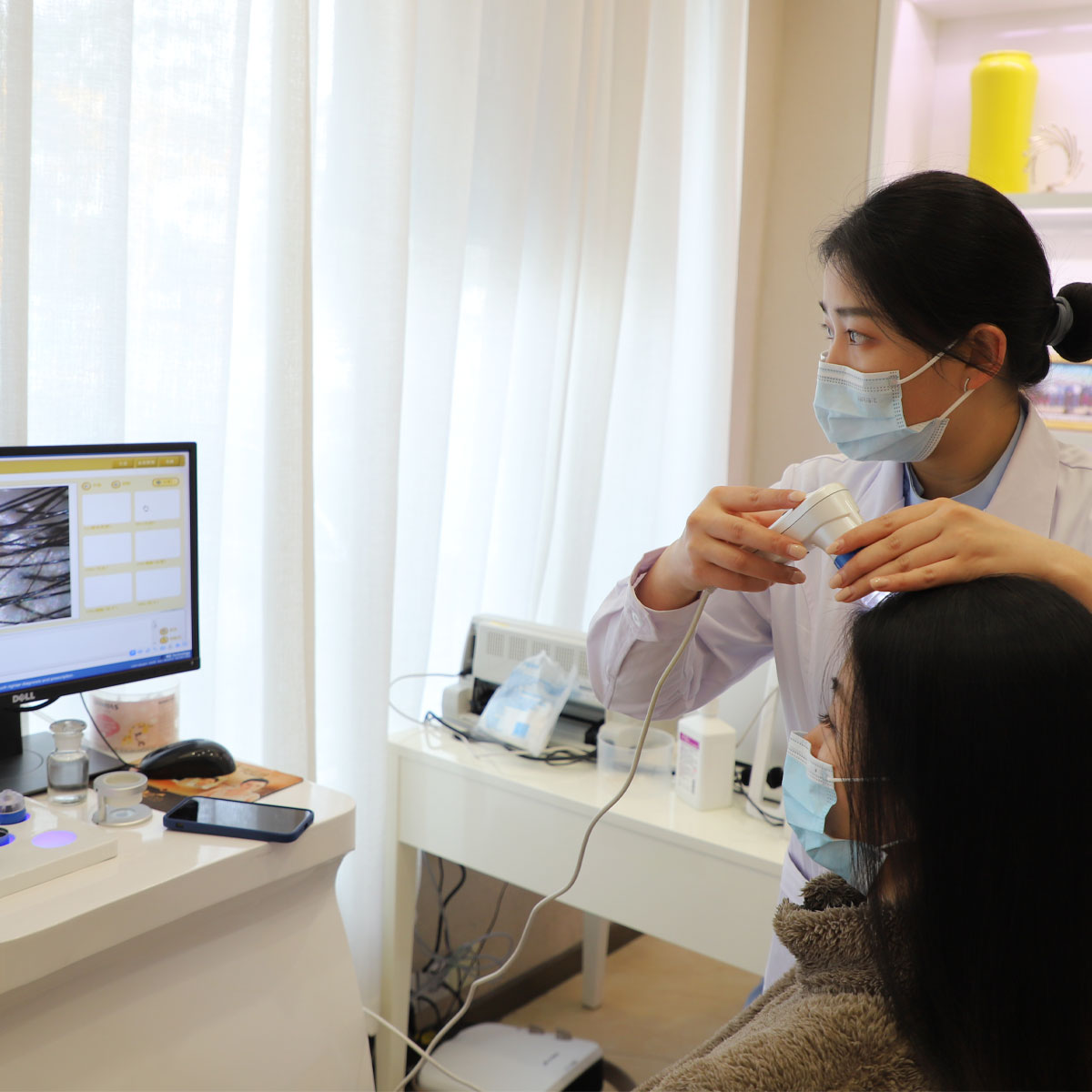

Hair Transplant Consultation