FAQ - Professional Hair Transplant Service

Your Hair Transplant Questions, Answered

Honest, straightforward answers from our surgical team to help you make an informed decision

Get Your Free Quote
FAQ - Expert Hair Restoration

Transparent Information, Every Step

From cost and safety to recovery and travel - we cover everything international patients need to know

Get Your Free Quote
FAQ - Natural Hair Results

Expert Answers You Can Trust

Based on 18+ years of clinical experience and 100,000+ successful procedures

Get Your Free Quote

Complete Hair Transplant FAQ Guide

Explore answers organized by topic - from first consultation to full recovery

Pre-Procedure Questions

How do I know if I'm a suitable candidate for a hair transplant
Suitable candidates typically have stable pattern hair loss (Norwood 3-7 for men, Ludwig 1-3 for women), adequate donor density at the back and sides of the scalp, and realistic expectations about what surgery can achieve. We recommend waiting until at least age 25 so your loss pattern has stabilized. There is no strict upper age limit - we have successfully treated patients in their 70s. Your candidacy is confirmed during a free consultation with our surgeon, who evaluates your donor supply, scalp laxity, and overall health.
What happens during my initial consultation at your clinic
Your 60-90 minute consultation includes: a detailed scalp examination using our digital microscopy system to measure donor density and hair caliber, classification of your hair loss stage, discussion of your aesthetic goals, explanation of suitable techniques and graft count estimate, a transparent all-inclusive cost breakdown, and the opportunity to review anonymized patient cases similar to yours. If you are coming from abroad, this can be done via video call with photos submitted in advance.
How many grafts will I actually need for my case
Graft count is determined by the surface area to cover and the target density you want. As a rough guideline: a hairline recession (Norwood 2-3) needs 1,500-2,500 grafts. Mid-scalp thinning (Norwood 4) typically needs 2,500-3,500 grafts. Advanced crown balding (Norwood 5-6) requires 3,500-5,000 grafts. Full scalp coverage for Norwood 7 may need 5,000-6,500 grafts, sometimes split over two sessions. Your surgeon measures your scalp precisely during consultation and quotes an exact range - not just a vague estimate.
What medications or supplements should I stop before surgery
Blood-thinning products must be paused 7-10 days pre-surgery to reduce bruising and bleeding. These include aspirin, ibuprofen (Advil), naproxen, vitamin E in doses over 400 IU, fish oil / omega-3, ginkgo biloba, ginseng, garlic supplements, and St. John's Wort. Prescription blood thinners require written clearance from your cardiologist. Finasteride and minoxidil can usually be continued - your surgeon advises specifically. You should also avoid excessive alcohol for 3 days before and stop nicotine products ideally 2 weeks in advance.
Can I do a video consultation before booking my flight to Beijing
Absolutely - 90% of our international patients start with a remote consultation. You send clear photos (front, top, both sides, back close-up) plus any medical history. We schedule a 45-minute Zoom or WhatsApp video call with one of our English-speaking surgeons. You receive the exact same graft estimate, technique recommendation, and transparent price quote as an in-person visit. Many patients book their surgery date on the same call. The consultation is completely free with no obligation.

During Surgery Questions

Is the hair transplant procedure painful
No. The entire procedure is performed under local anesthesia delivered by tiny injections. You feel about 10-15 seconds of mild pinching at the very start, and then complete numbness for the full duration of surgery. During the 6-8 hour session you are awake, comfortable, and can watch movies, listen to music, browse on your phone, eat snacks, or even nap. Most patients actually describe the experience as boring rather than painful. Post-operative discomfort on the evening of surgery is typically managed well with paracetamol.
Who actually performs the surgery - the doctor or technicians
At Barley, every critical step - donor extraction punches, recipient site creation, and the final graft implantation - is personally performed by a qualified, board-certified surgeon with 10+ years of hair transplant experience. Our trained technicians assist with graft sorting and storage under sterile conditions, but they never cut or implant. This differs from many high-volume clinics where technicians perform implantation while the surgeon rotates between multiple rooms. You are assigned one dedicated surgeon for your entire case.
How long does the surgery actually take from arrival to walking out
Plan for a full day. You arrive at 8:00-8:30 am for admission, final scalp marking, and photography. The anesthetic block and extraction phase runs 9:00 am to roughly 1:00 pm for a 3,000 graft case. You take a 60-minute lunch break with complimentary catered food. Afternoon implantation phase typically runs 2:00 pm to 6:00-7:00 pm. The surgeon then does a final check, bandage application, and reviews your evening care instructions with you. Most patients are walking out of the clinic between 7:00 and 8:00 pm. Larger cases of 5,000+ grafts may be split across two consecutive days.
What happens if I need a bathroom break or feel hungry during surgery
No problem at all. You can pause for bathroom breaks as needed - we simply cover the surgical field and you walk to our patient restroom. We have a patient kitchen stocked with water, juice, tea, coffee, fresh fruit, sandwiches, and snacks available whenever you want them. Many patients eat lunch during the break between extraction and implantation. We also provide a neck pillow, blanket, phone charger, and large-screen TV to keep you comfortable throughout the day.
Can I request specific hairline shape or design before surgery begins
Absolutely - the hairline design is a collaborative process and nothing is drawn without your full approval. On surgery morning, the surgeon uses a surgical pen to draw the proposed hairline directly on your scalp while you sit upright and look in a mirror. You can request adjustments - lower, higher, more aggressive recession points, more rounded, etc. The surgeon ensures the proposed design respects your donor limitation and will look natural as you age. We do not proceed to anesthesia until you sign off on the drawing.

Recovery & Aftercare Questions

When can I safely wash my hair after the transplant procedure
With our microneedle technique, the first gentle wash is done at the clinic on the morning after surgery (Day 1). Our nurse shows you the proper pour-and-pat technique using our provided medicated shampoo. You continue daily gentle washing at home from Day 2 onward. By Day 5 you can use your normal shampoo brand and apply light massage pressure. Scabs are typically fully exfoliated by Day 10. This is much faster than older FUE methods that required 5-7 days without washing.
What is shock loss and how long does it typically last
Shock loss is the temporary shedding of some transplanted hair shafts and nearby native hairs caused by the trauma of surgery. It is completely normal and happens to roughly 70% of patients, typically starting at Week 2-3 and resolving by Week 8. Importantly, only the hair shaft falls out - the follicle bulb itself remains alive and anchored underneath your scalp. New hair from those same follicles re-grows starting around Month 3. We explain this timeline clearly in advance so patients do not panic when they see shedding.
When do real results start showing and when is growth complete
Months 1-2: mostly shedding phase, do not expect growth. Month 3: first thin, vellus hairs begin poking through (about 10-15% of final). Months 4-6: real visible thickening kicks in, roughly 40-50% of final density is visible. Months 7-9: dramatic visible improvement with most of the growth showing. The full final result including shaft thickness and complete maturation is at 12 months for most patients, sometimes up to 18 months for afro-textured or very coarse hair. Patience is genuinely the hardest part of this entire process.
What activities are forbidden during the first two weeks of recovery
For Days 1-14, avoid: all gym workouts, running, cycling, swimming, saunas, steam rooms, heavy lifting over 10kg, and any contact sport. Also avoid bending over at the waist (e.g., tying shoes by squatting instead). Direct prolonged sun exposure to the scalp should be avoided for 30 days, and a wide-brim hat worn outdoors. You can walk from Day 1 - gentle walking actually improves circulation and healing. Most desk workers return to work from home on Day 2-3 and office work by Day 4-5, optionally wearing a loose hat if desired.
How noticeable is the post-surgery appearance to other people
Days 1-3: there is visible redness and tiny crust dots in recipient and donor areas. Anyone looking closely will notice something. By Day 5-7, redness fades to pink and most scabs are gone. By Day 10, casual observers at conversation distance usually cannot tell anything was done if you have some existing hair to comb over. The donor area at the back is the least visible area even from Day 1. Many of our no-shave patients report their friends and colleagues never noticed they had surgery at all.

Cost & Payment Questions

What is the actual cost range for a hair transplant at your Beijing clinic
Our all-inclusive pricing for 2026 is transparent and per-graft based. Standard FUE is $1.10 per graft. Premium Microneedle DHI is $1.50 per graft. No-Shave FUE adds a 15% premium. This means typical total packages are: 2,000 grafts = $2,200-$3,000 USD. 3,000 grafts = $3,300-$4,500 USD. 4,500 grafts = $4,950-$6,750 USD. The quote includes: surgeon fee, anesthesia, OR materials, post-op medications, specialized shampoo kit, follow-up appointments for 12 months, and airport pickup. There are no hidden add-on fees.
Why is your pricing lower than clinics in the US, UK or Australia
Three main factors: lower general cost of living and commercial rent in Beijing compared to Western capitals, economies of scale (we perform 80-100 procedures per month across our 31 Chinese locations), and a different business model - we do not pay for expensive TV or Google Ads campaigns in Western markets. Importantly, lower price does not mean lower quality. Our instruments, sterilization protocols, and surgeon board certifications are identical or superior to Western clinics. Many of our surgeons were trained in Europe or the United States.
What payment methods do you accept and when is payment due
A 20% deposit (minimum $500 USD) reserves your surgery date and is payable by international credit card (Visa, Mastercard, Amex), Wise/TransferWise, or crypto (USDT, BTC). The remaining 80% balance is due on arrival at the clinic, before surgery commences. Balance options include: Visa/Mastercard with 0% surcharge, bank wire, Alipay, WeChat Pay, or cash in USD/EUR/local currency. We provide a proper itemized medical invoice and receipt for all payments - important if you have travel insurance that may cover part of the trip.
Are there any financing, payment plan, or medical loan options
We do not offer in-house financing for international patients, as we are a surgical clinic not a finance company. However, most of our international patients successfully use: personal medical loans from providers like Medicard or CareCredit in their home country, 0% APR credit card balance transfer offers, or specialized medical travel financing platforms like Medditour or PlacidWay that can finance the entire trip including flights and hotel. Your patient coordinator can supply the official documentation and treatment plan letters that these lenders require.
What is your cancellation and rescheduling policy for booked surgeries
Your 20% deposit is fully transferable once to a new date at no extra cost if you give 14+ days notice. Cancellations with more than 30 days notice receive a 100% refund of deposit minus a $150 USD admin processing fee. Cancellations between 14-30 days: 50% of deposit is refunded. Cancellations under 14 days or no-shows: deposit is non-refundable because we reserved that slot, turned away other patients, and prepared your custom surgical tray. Exceptions are made at our discretion for genuine medical emergencies or serious family events.

International Patient Questions

What type of visa do I need and do you provide invitation letters
Most patients use a standard Chinese Tourist (L) Visa, which is valid for stays up to 30 or 90 days depending on your nationality. Citizens of 54 eligible countries can also use the 144-Hour Visa-Free Transit policy if they are transiting through Beijing to a third country - this is sufficient for a 5-6 day trip. We issue a formal, clinic-stamped invitation letter on official hospital letterhead within 24 hours of receiving your deposit, which you include with your visa application. Your coordinator can also help answer specific questions from your local Chinese embassy.
How many total days do I need to stay in Beijing for the procedure
We recommend 6 full days minimum. Day 1: arrive, airport pickup transferred to hotel, optional evening light city dinner. Day 2: morning in-person consultation & final scalp design, afternoon free to relax or explore. Day 3: full surgery day (8:30 am to roughly 7:30 pm). Day 4: morning return to clinic for first wash & bandage removal check, afternoon rest. Day 5: follow-up review with surgeon & 6-month progress photo schedule. Day 6: departure, transferred to airport. Extending to Days 7-8-99 for tourism is very popular and our coordinator can help book discounted Great Wall, Forbidden City, and other tours.
Is there English-speaking staff available throughout my entire stay
Yes, guaranteed. Every international patient is assigned a personal English-speaking patient coordinator who is with you from first airport pickup through final hospital drop-off. Several of our surgeons speak conversational-to-fluent English and directly answer all medical questions during consultation and follow-ups. All surgical consent forms, pre-op instructions, post-op care sheets, and medication labels are provided in professionally translated English. Our WhatsApp international patient line is staffed 24/7 during your stay for any urgent questions.
What about hotel accommodation and transport during my Beijing stay
We do not mark up accommodation - we simply pass through our contracted corporate rates at partner hotels. Budget option ($60-80/night): 4-star Hanting Premium or Home Inn Plus, 5-minute walk to clinic. Mid-range ($100-140/night): 5-star Holiday Inn or Courtyard by Marriott, 10-minute taxi. Luxury ($180-350/night): Ritz-Carlton or Grand Hyatt near our clinic. All hotels are western standard with English-speaking staff. Included complimentary: private sedan pickup from PEK or PKX airport on arrival, return transfer on departure day, and daily hotel-clinic shuttle during your treatment days.
How are follow-ups handled once I return to my home country
We schedule structured remote follow-ups at: 1 week, 1 month, 3 months, 6 months, 9 months, and 12 months post-surgery. Each checkpoint you submit standardized photos (we send you a detailed guide showing exact angles and lighting). Your operating surgeon personally reviews and sends back a written assessment. In addition, your patient coordinator is available on WhatsApp 7 days a week for any random questions or concerns that pop up between scheduled checkpoints. If you need an in-person assessment locally, we have a growing network of partner trichologists in 20+ countries that we can refer you to.

Technology Comparison Questions

What is the real difference between FUE, DHI, and your Microneedle method
Standard FUE uses forceps to grab and place grafts into pre-made slits, risk of follicle crush damage and limited density. Standard DHI uses a Choi implanter pen that creates the channel and drops in the graft simultaneously, improving handling time but with limited angle control. Our patented Microneedle DHI uses a 0.6-0.8mm hollow needle with 360-degree rotational control - the implanting surgeon can precisely dial in the exact angle, direction, and depth of every single graft as it is placed. Result: 15-20% higher achievable density, zero graft transection during implantation, and 100% natural direction matching that even barbers cannot detect.
FUT strip method vs FUE - which technique gives better donor results
FUT (strip harvesting) can theoretically extract slightly more total grafts in a single session for Norwood 7 patients because it takes a continuous ellipse rather than individual punches. However, it leaves a permanent linear scar across the back of your head that is visible if you ever wear your hair short. FUE leaves only scattered microdot scars 0.8-1.0mm wide that are invisible even with a buzz cut for most patients. FUT also has a higher risk of long-term numbness or tightness across the scar. At Barley, 95% of our cases are FUE-based; we only recommend FUT in specific, rare donor characteristics after honest discussion of the tradeoffs.
What does the no-shave procedure actually mean and is it for everyone
In standard FUE, the entire donor zone (back of head) is clipped to 1mm length so the surgeon can see follicle directions clearly during extraction. No-shave (also called unshaven or long-hair FUE) means the surgeon carefully extracts individual follicles from in between your existing long hairs using a smaller 0.6mm punch, leaving 95%+ of your donor length completely untouched. The benefit: total discretion - even your partner or barber may not realize anything was done. The tradeoff: surgery takes 20-30% longer and costs 15% more, and it is only suitable for patients with sufficient existing length (minimum 4cm) and average-to-good donor density.
Do robotic hair transplant systems like ARTAS actually produce better results
Robotic systems (ARTAS iX, NeoGraft Automated) are helpful tools for the extraction phase in select patients - they image the donor area and punch individual follicles with algorithmic consistency, reducing surgeon hand fatigue in very long cases. However, the critical aesthetic implantation phase (angle, direction, density, hairline design) still must be done manually by a human surgeon, and robot-assisted cases cost substantially more. Many marketing claims around robotic "99% survival" are not independently verified. Our surgeons have trained on robotic platforms and we recommend them only for specific patient profiles where they genuinely add value - never as a mandatory upsell.
What about Sapphire blades vs steel blades for making recipient sites
Sapphire blade systems (a popular marketing feature in Turkish clinics) use sharp, disposable sapphire scalpel blades to create V-shaped recipient channels instead of traditional steel blades or needles. The claimed benefits are sharper cuts, less tissue trauma, and more closely-packed channels. In practice, independent studies find no statistically significant difference in graft survival or final density between properly-used sapphire blades, steel blades, or premium hollow implanter needles - surgeon skill matters far more than the blade material. Our implant needles are single-use, sterile, and Japanese-made - we invest more in surgeon training and experience than marketing buzzwords.

Non-Surgical Treatment Questions

Do I really need to take finasteride and minoxidil after my transplant
The transplanted hairs themselves are genetically DHT-resistant and permanent, so they will grow lifelong with or without medications. However, your native, non-transplanted hairs in the surrounding areas will continue their natural balding process over the coming 5-20 years. Medications substantially slow or stop this continued loss, protecting your investment and preventing the "island" effect where transplanted hair looks good but the hair around it thins away. For men under 50, we strongly recommend finasteride 1mg daily plus minoxidil 5% topical twice daily as the gold standard maintenance protocol. We can discuss alternatives if you have genuine side effect concerns.
What results can I realistically expect from PRP injections alone
Platelet-Rich Plasma (PRP) therapy concentrates growth factors from your own blood and injects them into the dermis of thinning areas. For patients with early-stage thinning (Norwood 2-3, Ludwig 1), a course of 4 monthly PRP sessions often produces visible hair thickening and reduced shedding in roughly 60-70% of cases. It will not regrow hair on a completely bald, smooth scalp. For Norwood 4+ or fully bald crowns, PRP is best used as an adjunct boost alongside a transplant surgery, not as a standalone replacement. Realistic expectations are key - PRP improves what you have, it does not resurrect dead follicles.
Are there any proven non-surgical alternatives for patients afraid of surgery
Three evidence-based non-surgical options exist for androgenetic alopecia. First: topical minoxidil 5% (men) or 2% (women) twice daily - proven to regrow about 10-15% additional hair density in 40-50% of users after 6 months. Second: oral finasteride 1mg daily for men - proven to halt further loss in 83% of men and produce visible regrowth in 66%. Third: low-level laser therapy (LLLT) caps or helmets used 30 minutes daily - meta-analyses show modest density improvements of around 10-12 hairs per cm squared after 24 weeks. Realistic combination of all three is your best non-surgical strategy, with hair fibers or scalp micropigmentation as cosmetic camouflage on top.
Do hair vitamins, biotin, saw palmetto or pumpkin seed oil actually work
Biotin only helps if you have a confirmed biotin deficiency, which is extremely rare. Saw palmetto has weak, inconsistent evidence at best - a few small studies show mild benefit similar to a low-dose DHT blocker, but large-scale RCT data is lacking. Pumpkin seed oil has slightly better evidence: one 2014 RCT in men showed 40% increase in hair count over 24 weeks vs placebo, likely from its 5-alpha-reductase inhibiting properties. Our honest advice: eat a balanced diet, take a standard multi-vitamin to cover any gaps, add pumpkin seed oil 1000mg daily as a gentle addition if you want, but save your serious budget for the two proven gold-standard treatments (finasteride + minoxidil) rather than spending hundreds monthly on unproven "hair vitamin" stacks from influencers.
What is Scalp Micropigmentation and when should I consider it instead of transplant
Scalp Micropigmentation (SMP) is essentially a cosmetic tattoo that replicates the appearance of a very short buzz-cut hair stubble across a bald scalp. It is an excellent option for: Norwood 6-7 patients with insufficient donor hair density for a proper transplant, patients who prefer the shaved-head look and want to eliminate the shiny bald appearance, or patients who had a botched transplant elsewhere and need scar camouflage in the donor zone. Cost is typically 1/3 to 1/2 of a transplant and requires 3 sessions over 6 weeks plus annual refresh touch-ups. It does NOT grow real hair - it is purely a visual illusion, but a very convincing one when done by a skilled technician.

Key Numbers at a Glance

The essential stats every patient wants to know before deciding

4-8h

Surgery Duration

Depends on graft count selected for your case

2-4 Days

Return to Desk Work

Most remote workers resume within 48 hours

3-4 Months

First Visible Growth

New hair follicles begin emerging through scalp

12-18 Mos

Full Mature Results

Complete shaft thickness and final density

98%+

Verified Graft Survival

Documented in our 12-month follow-up audits

Lifetime

Permanent Results

Transplanted follicles remain DHT-resistant forever

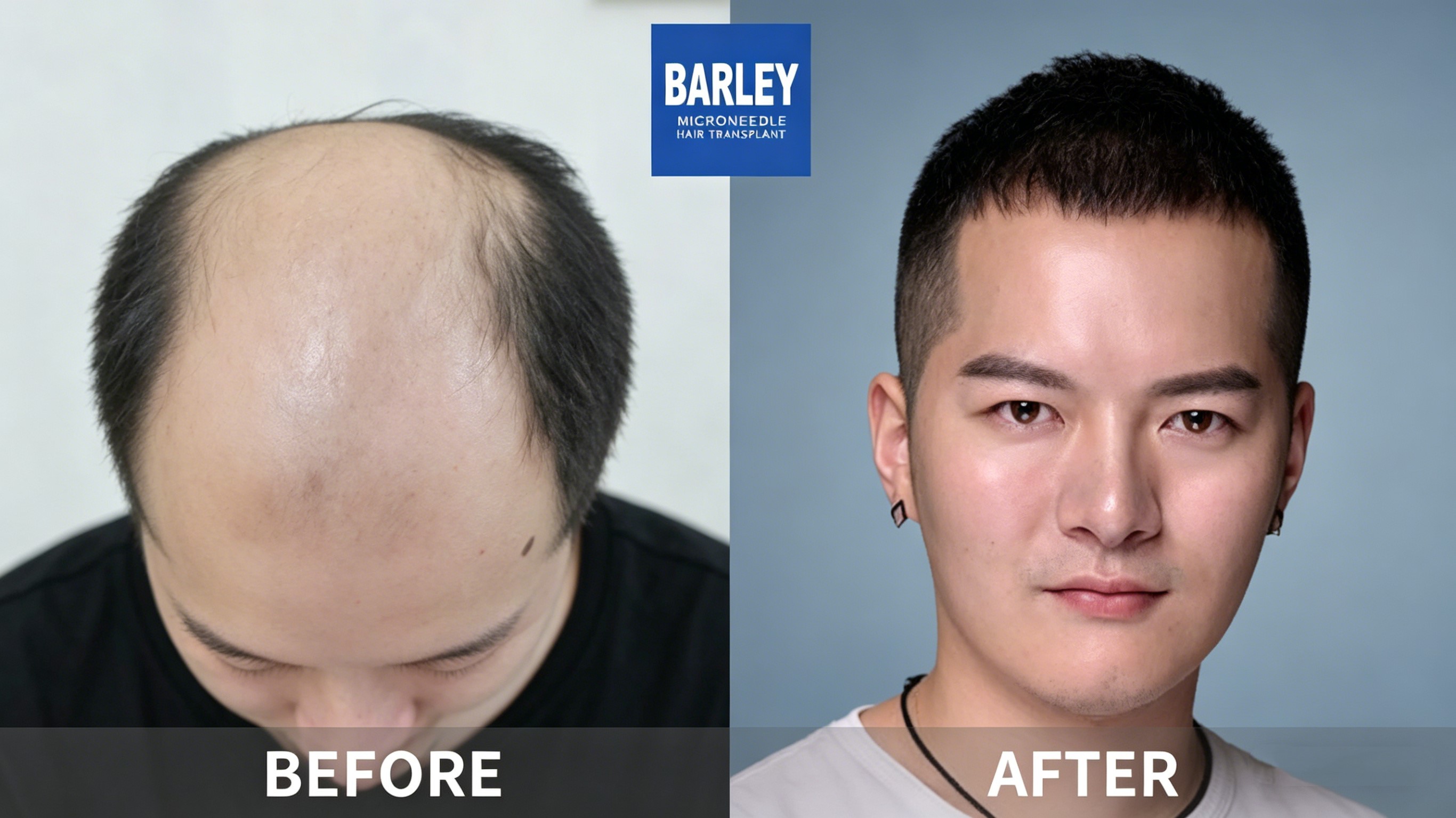
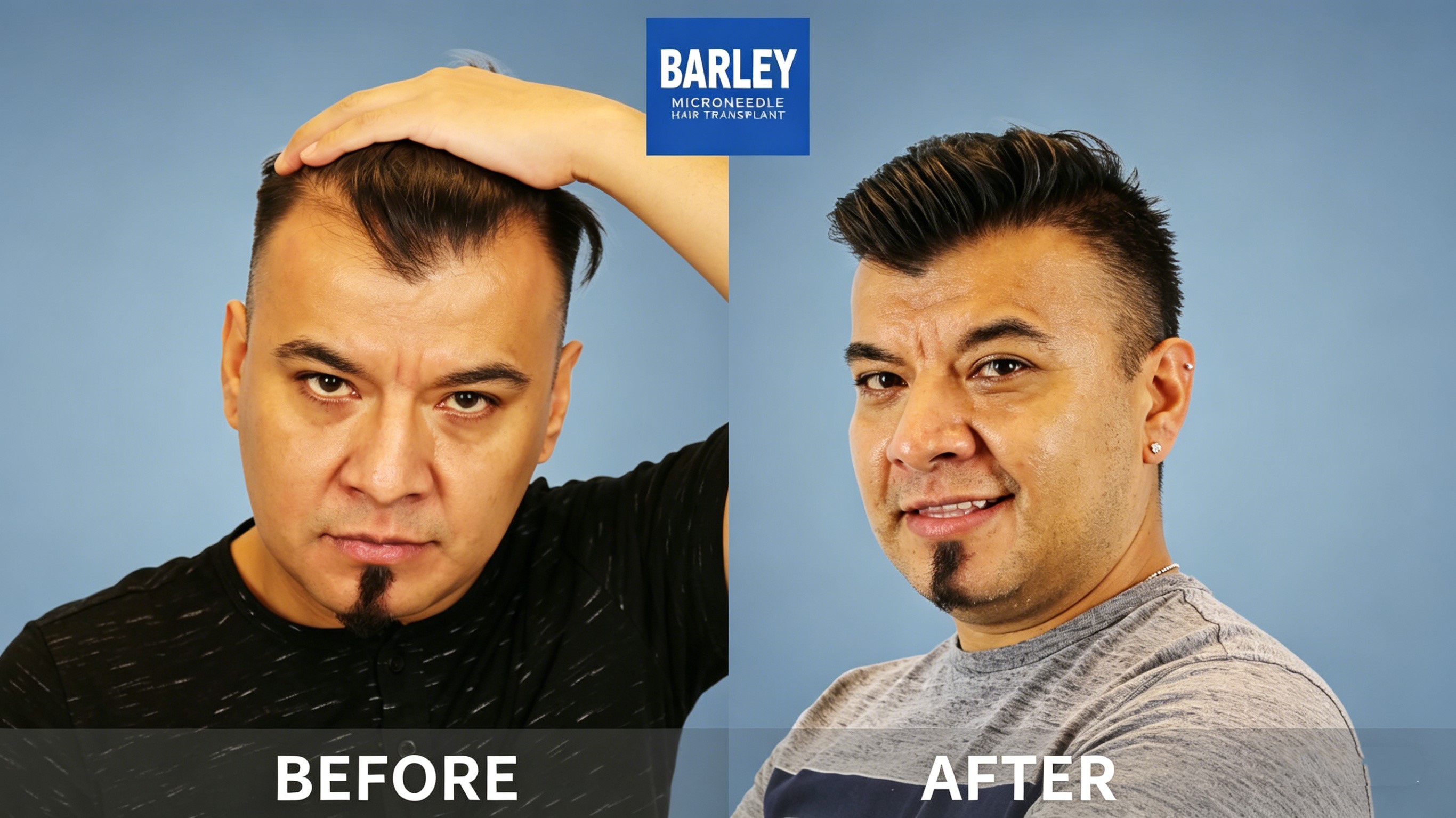
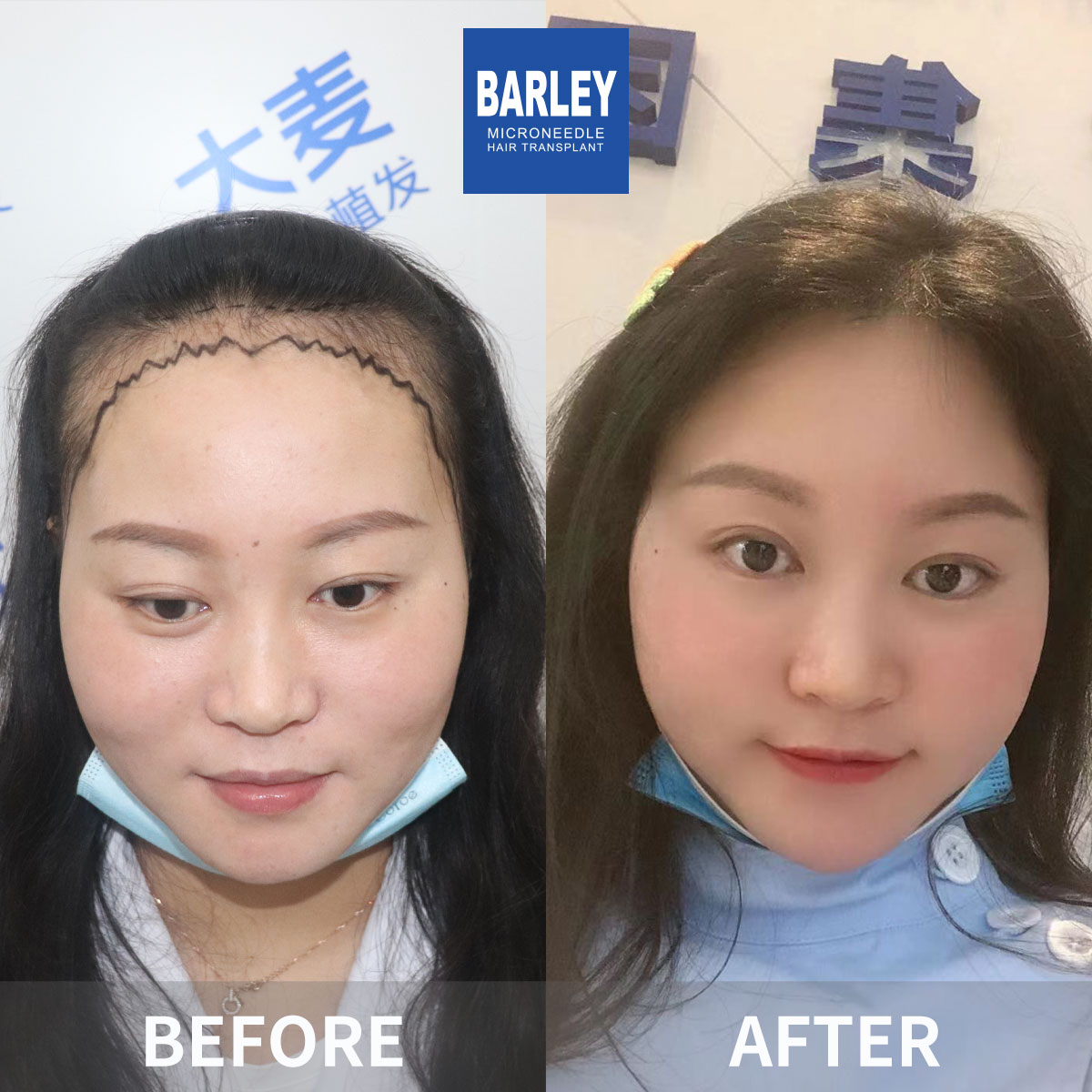
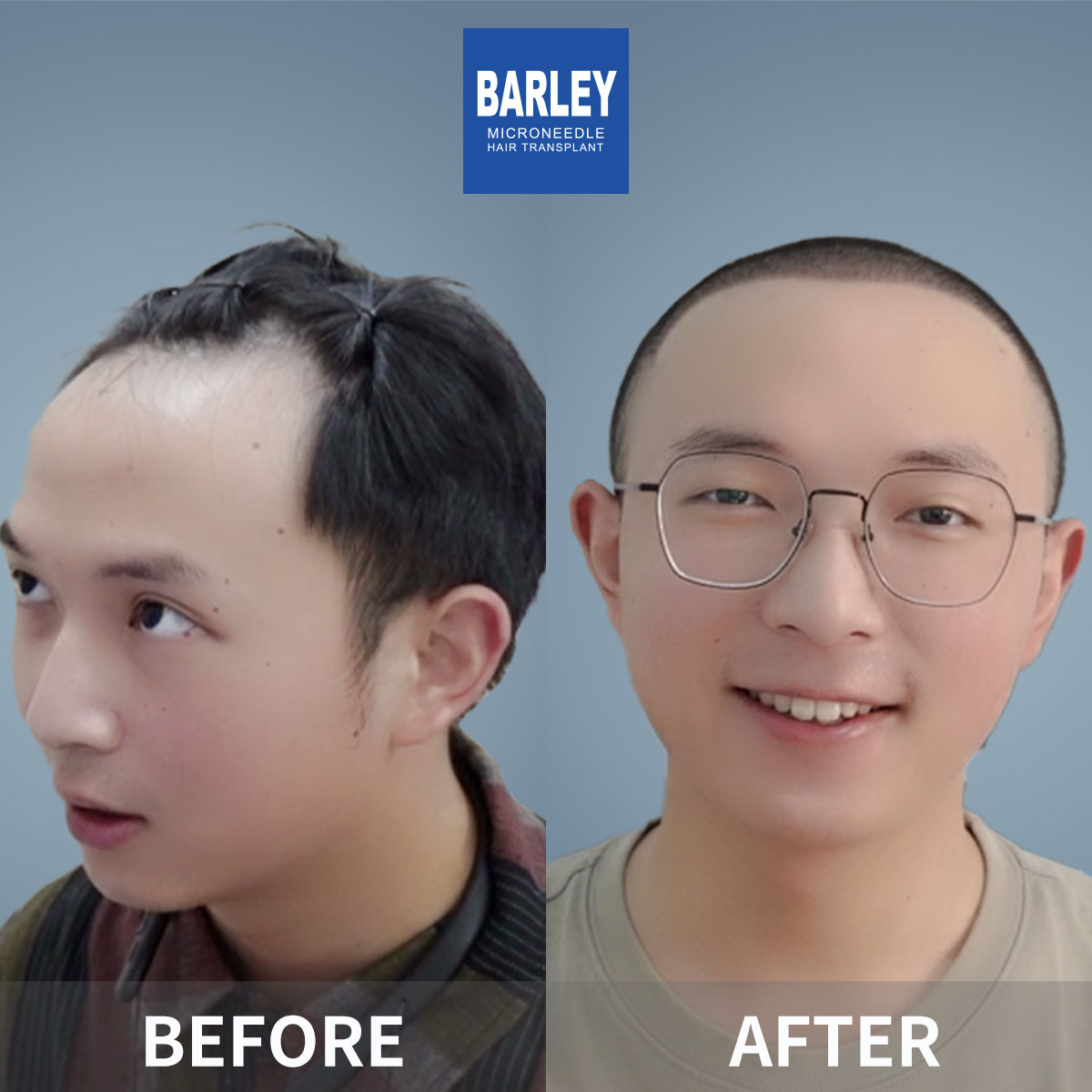
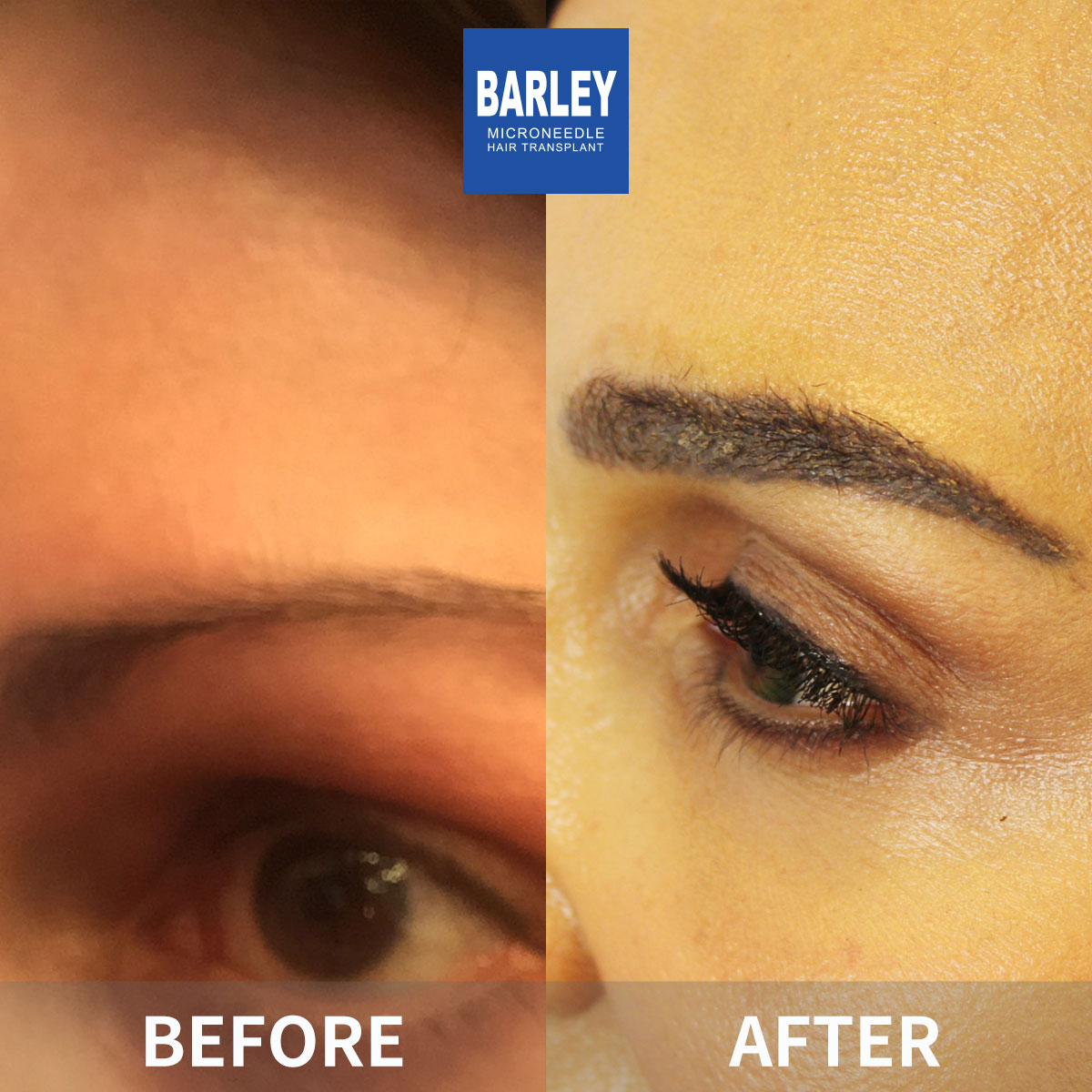
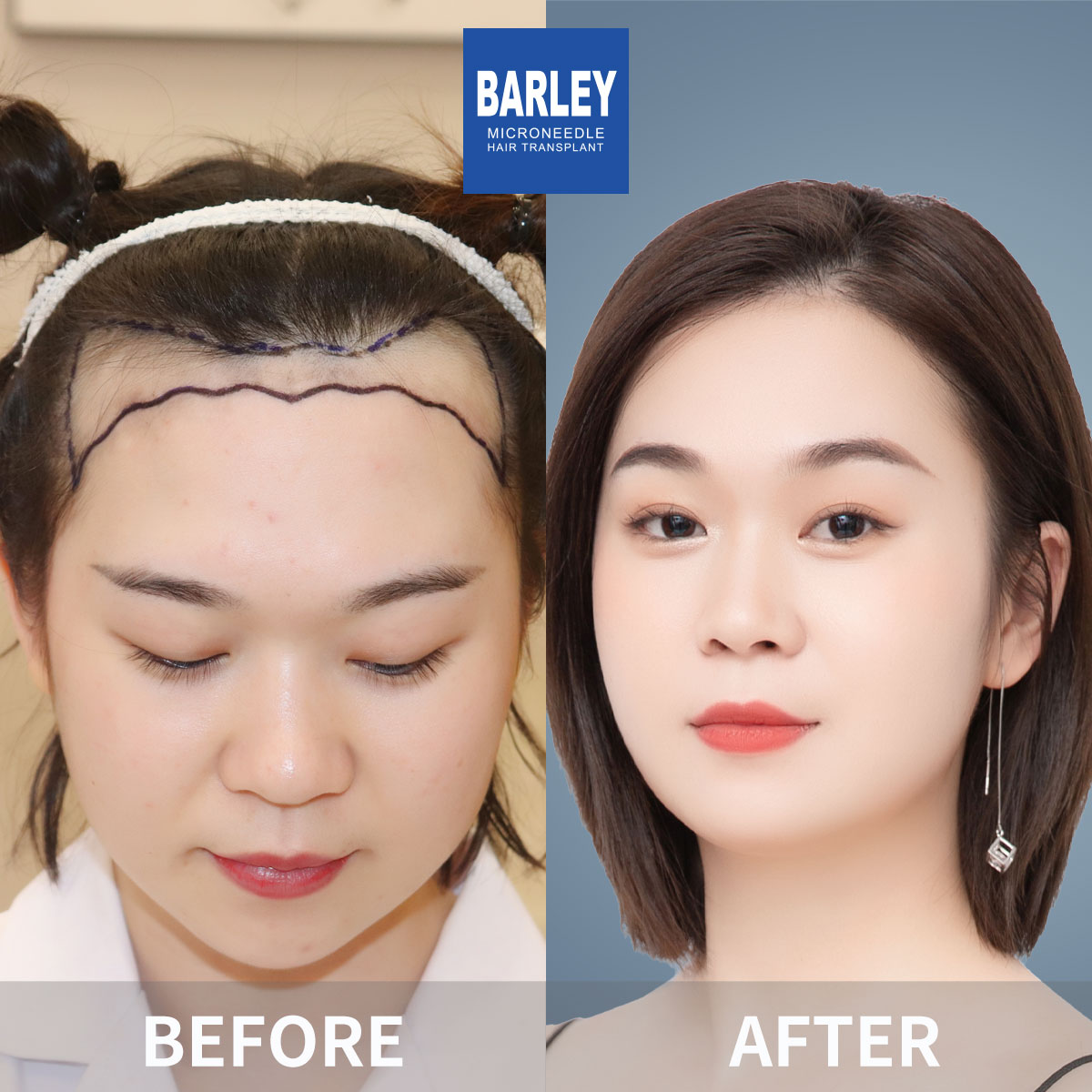
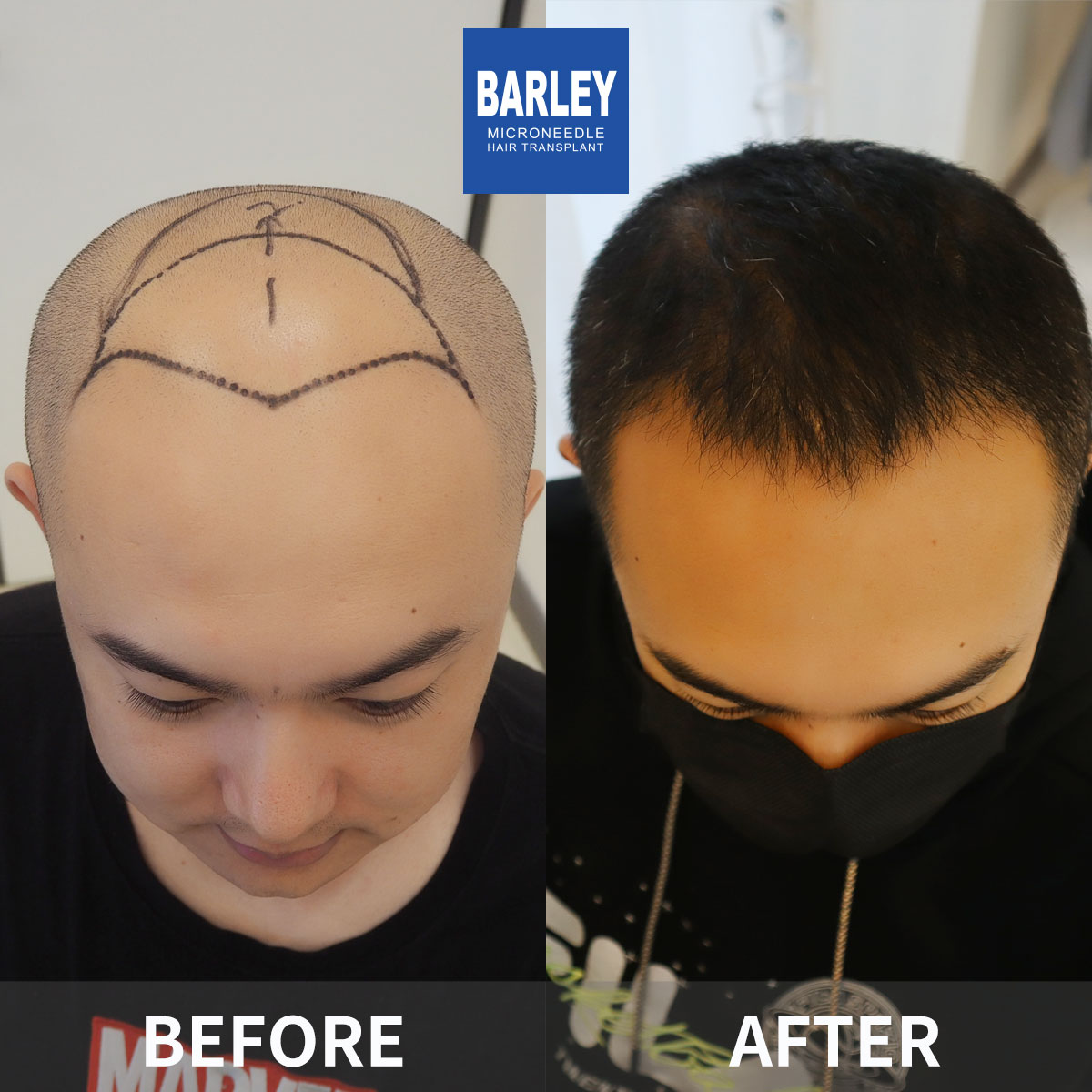
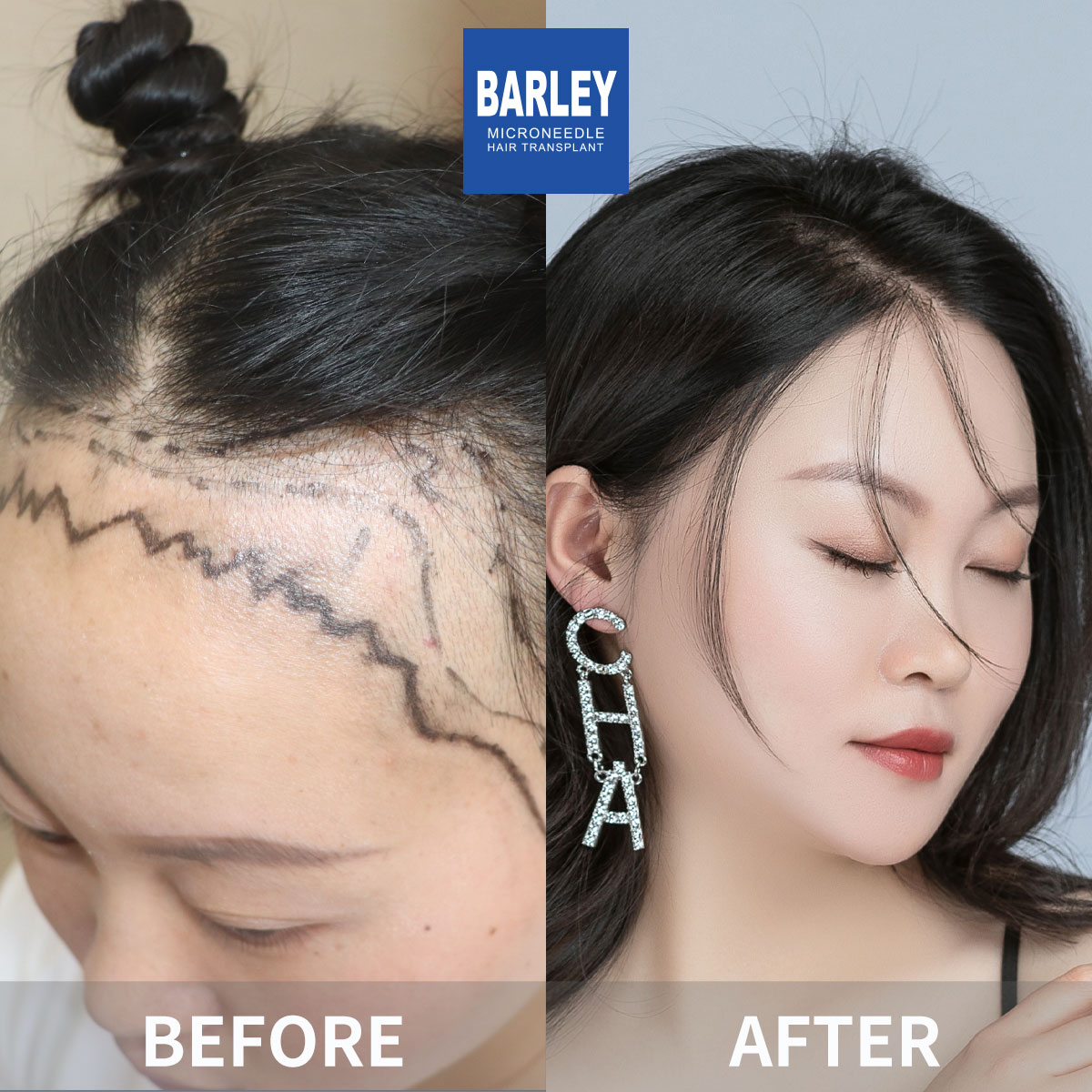
Real Patient Transformations

Genuine before-and-after results from our surgical team
How This FAQ Page Helped Our Patients

Real patients share how reading through these answers changed their decision process

"I read every single FAQ on this page the weekend before my consultation. When I walked in, I already understood 90% of what was going to be discussed. We spent my actual appointment time on fine-tuning my hairline shape and donor strategy instead of basics. Honestly this page saved me at least an hour and made my consultation way more productive. I'm now 5 months post-op and couldn't be happier."

RW

Rafael Worsley

New Zealand

"What I loved was how transparent this FAQ was about risks. I went into my first meeting already knowing about shock loss, scarring possibilities, and the realistic 12-month timeline. I wasn't hit with any 'wait, you never told me that' bombshells mid-way like my friend was at another clinic. Honesty like this is worth paying a premium for in my book. Ten months in, my result has exceeded even the realistic expectations I set."

CP

Constanza Paredes

Chile

"I had researched four clinics across three countries before finding Barley. What made me book here was the FAQ didn't feel like marketing fluff. They actually compared themselves honestly to Turkey, explained why some cheap quotes are misleading, and acknowledged the limitations of surgery for advanced cases. No pressure, no hype, just straight facts. That level of transparency made me trust them with my procedure and I'm so glad I did."

MG

Mathis Gauthier

Switzerland

"I used this FAQ to build my own comparison spreadsheet between three clinics I was considering. The breakdown of per-graft pricing, what's included vs extra, graft survival claims, and surgeon vs technician involvement gave me concrete items to ask each clinic about. Two of the clinics dodged my questions; Barley answered every single one directly. That alone told me everything I needed to know. Booked the next week."

IB

Idris Bakır

Turkey

Our Clinic Facilities

Take a look inside our state-of-the-art surgical facility in central Beijing
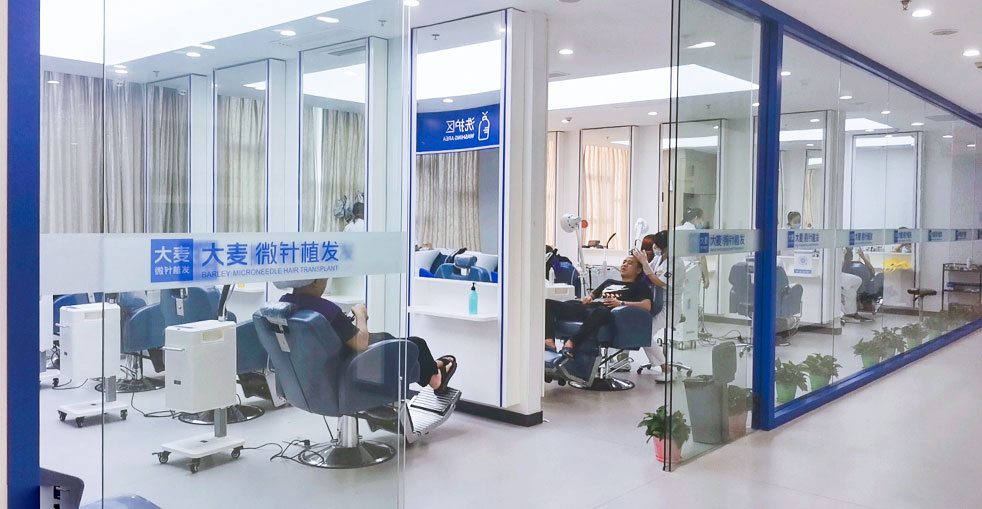
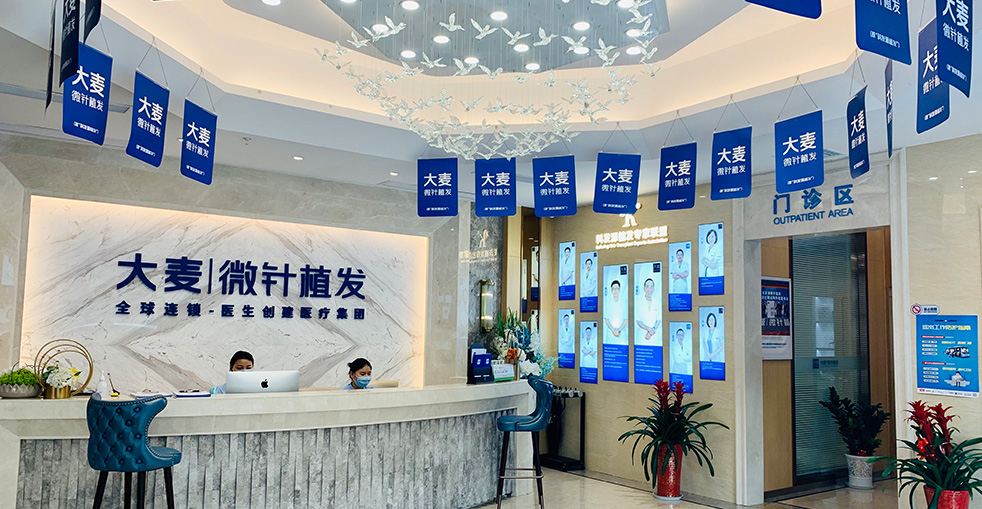
Post-operative recovery area

Recovery Suite

Comfortable, quiet post-operative care
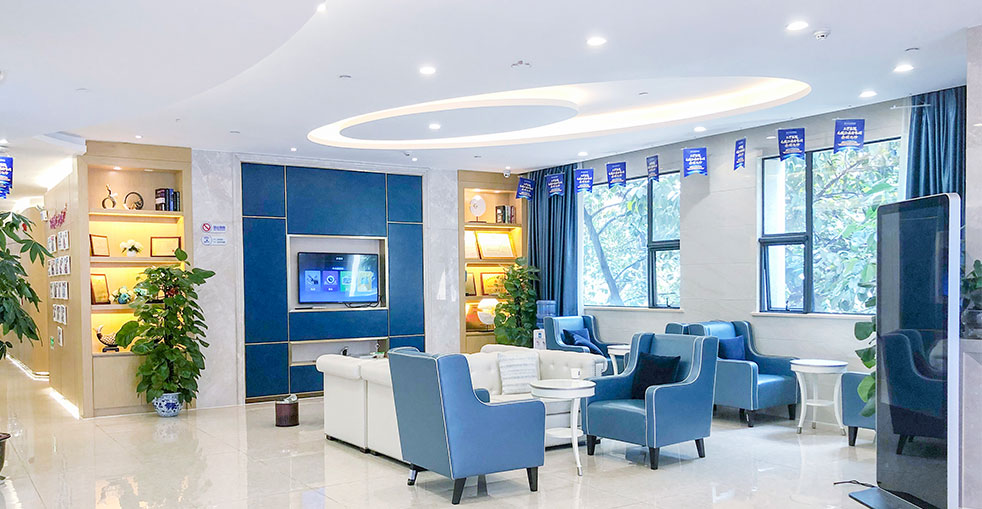
Clinic reception area

Reception

Welcoming and modern entrance lobby

Modern surgical clinic

Surgical Suite

Fully equipped with the latest technology

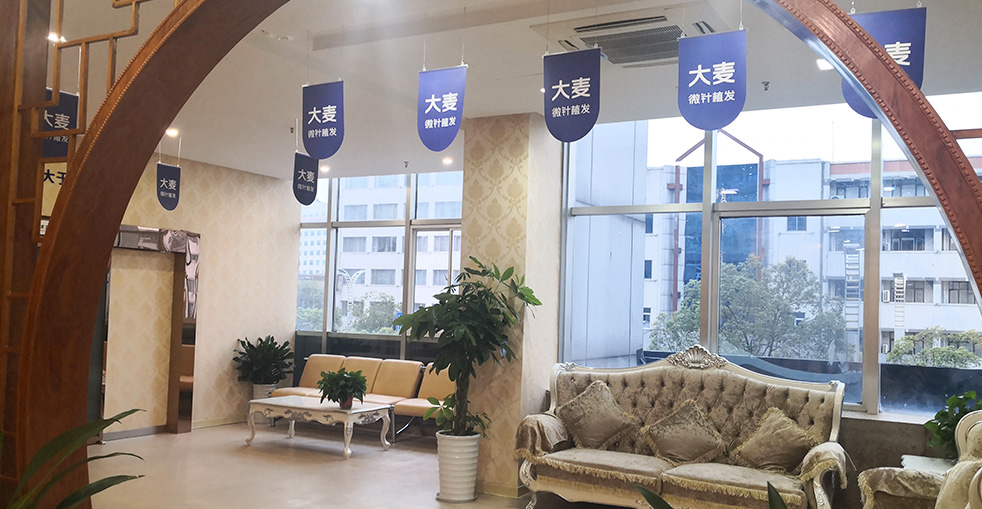
Premium patient waiting lounge

Patient Lounge

Relax in our premium waiting area

Sterile operating room

Operating Theater

Strict sterile environment for optimal safety

Private consultation room

Consultation Room

Private and professional one-on-one sessions

Copied successfully!

Contact Our Team

Click any card below to copy contact information instantly

WeChat

15810155700

WhatsApp

+86 13730143529

WeChat QR Code

Get Your Free Consultation

About Barley Microneedle

Established by a team of board-certified surgeons with 31 premium branches across China's major cities. Barley Microneedle Hair Transplant Hospital has always pursued better technology, superior quality, and industry-leading safety standards to solve every category of hair loss.

Still Have Unanswered Questions?

Every patient's hair loss pattern and goals are unique. Our international patient specialists help identify the root cause of your loss and build a personalized restoration roadmap. If you have questions we have not covered above, just ask - our coordinators respond to WhatsApp messages within 2 hours during Beijing business hours.
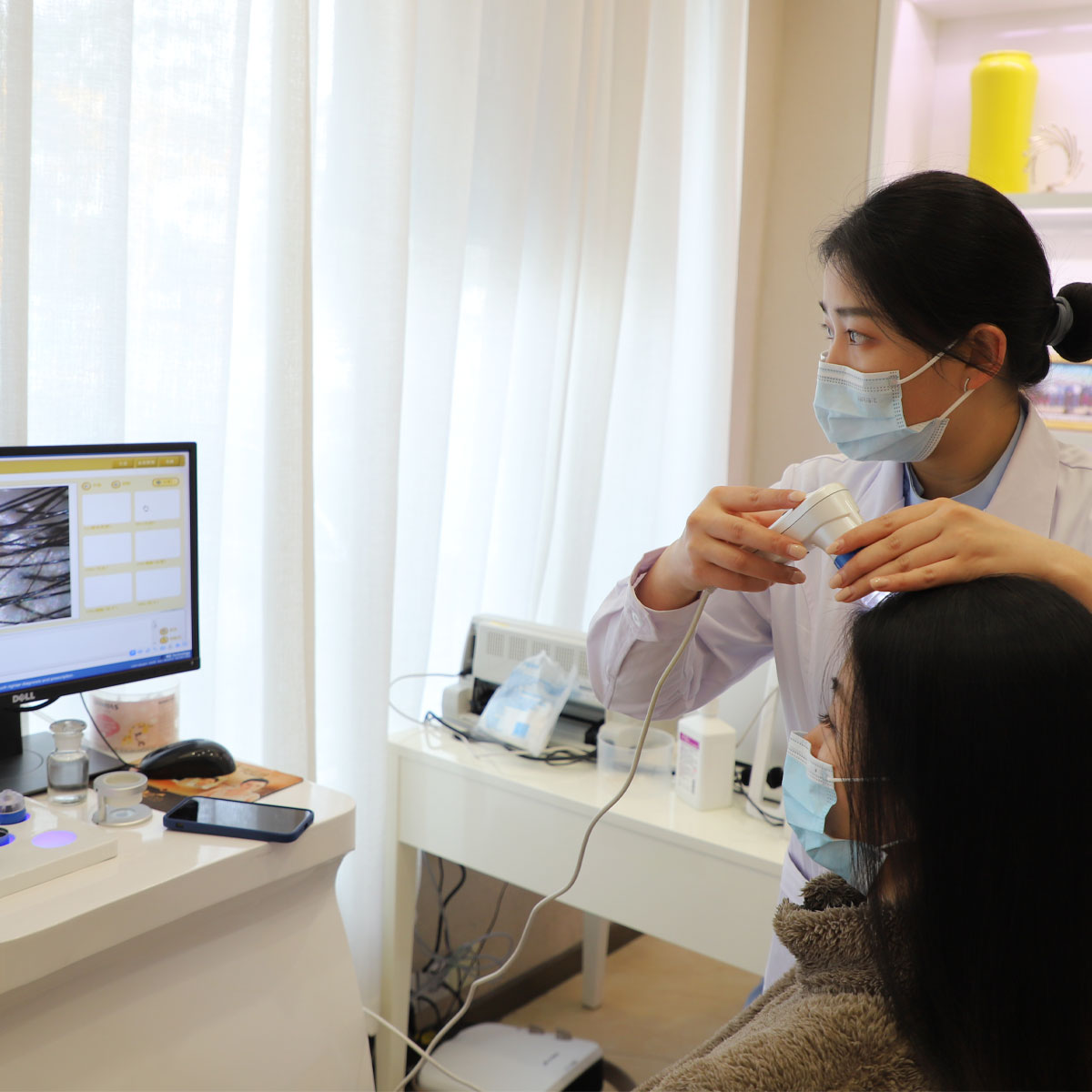

Hair Transplant Consultation Image