Hair Thickening

From Thin and Sparse to Full and Thick

Permanently restore your hair's natural density with precision FUE technology

Get Your Free Assessment
Hair Density

Restore the Thickness You Thought Was Gone

Strategic follicle placement designed for maximum natural density

Get Your Free Assessment
Thick Hair

Stop Hiding Your Thinning Hair

A permanent solution for diffuse thinning — trusted by patients from 50+ countries

Get Your Free Assessment

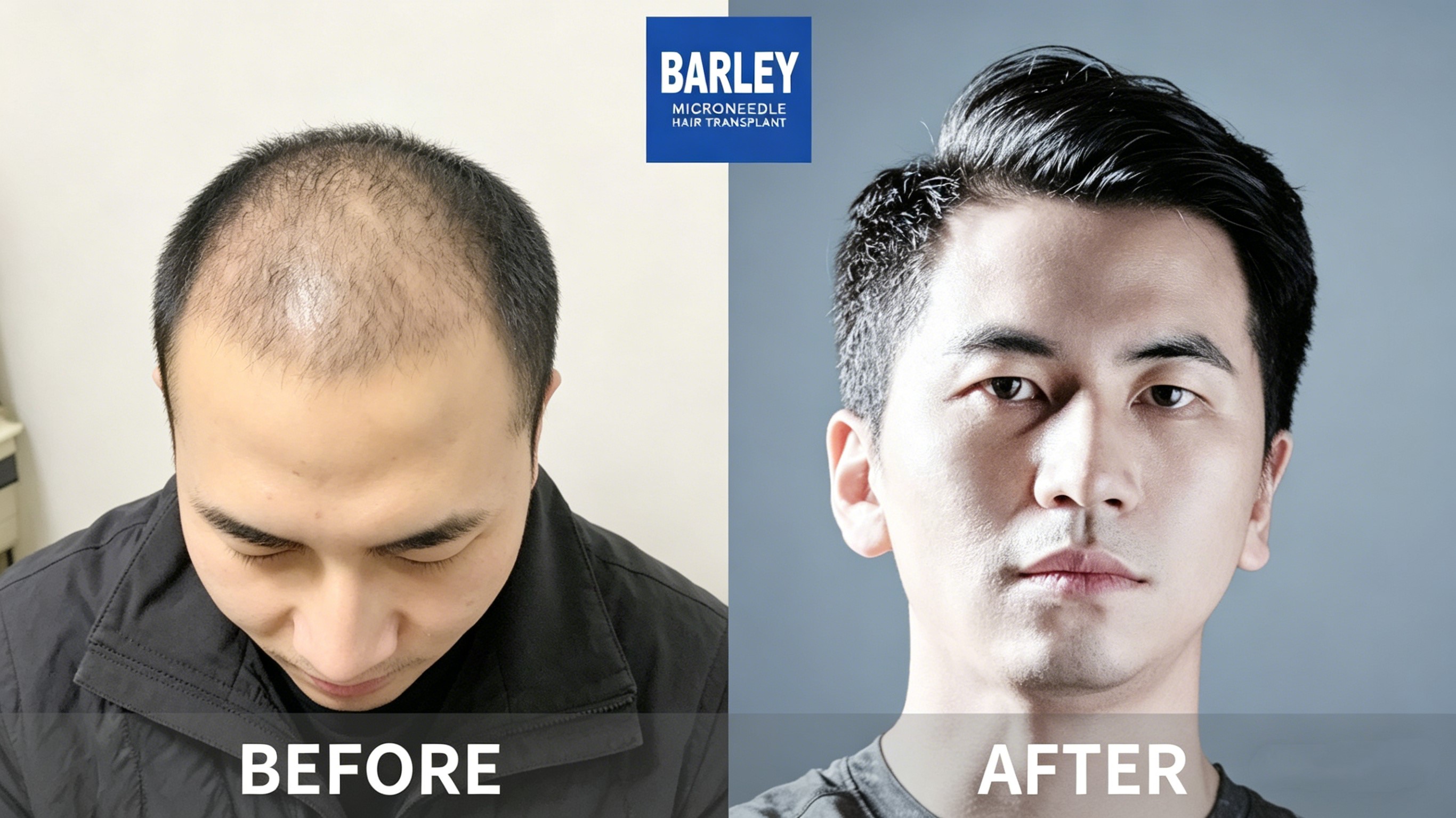
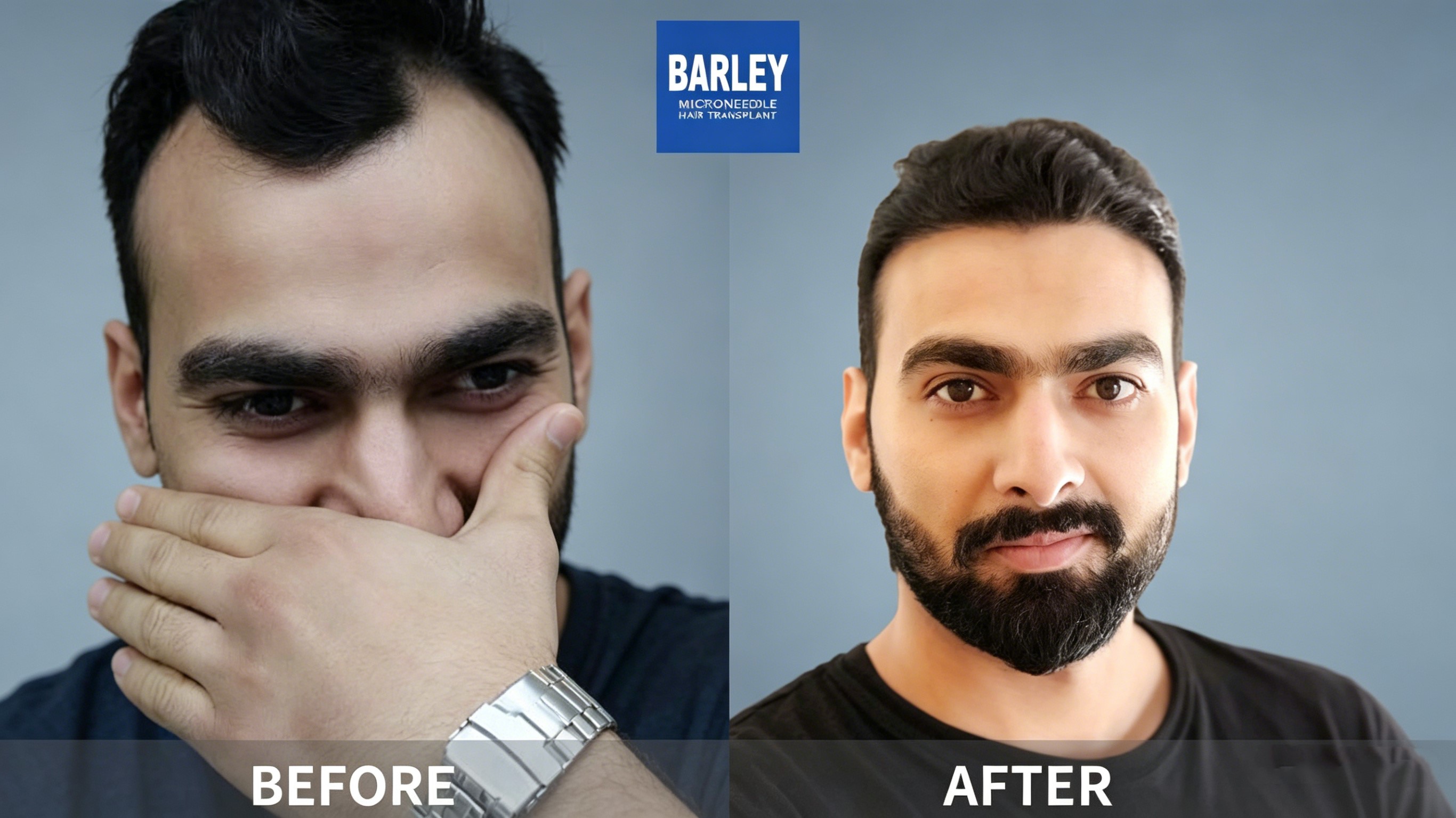
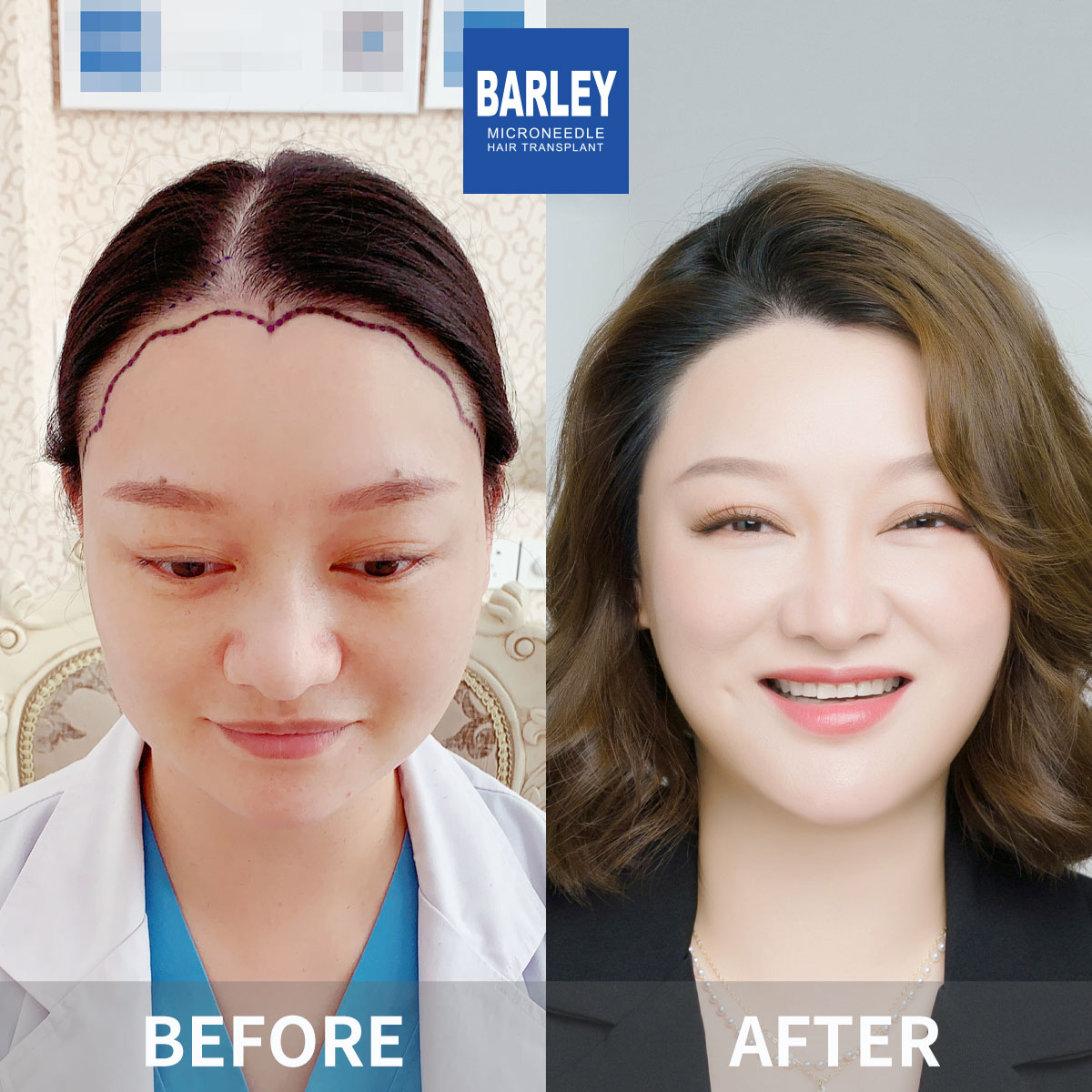
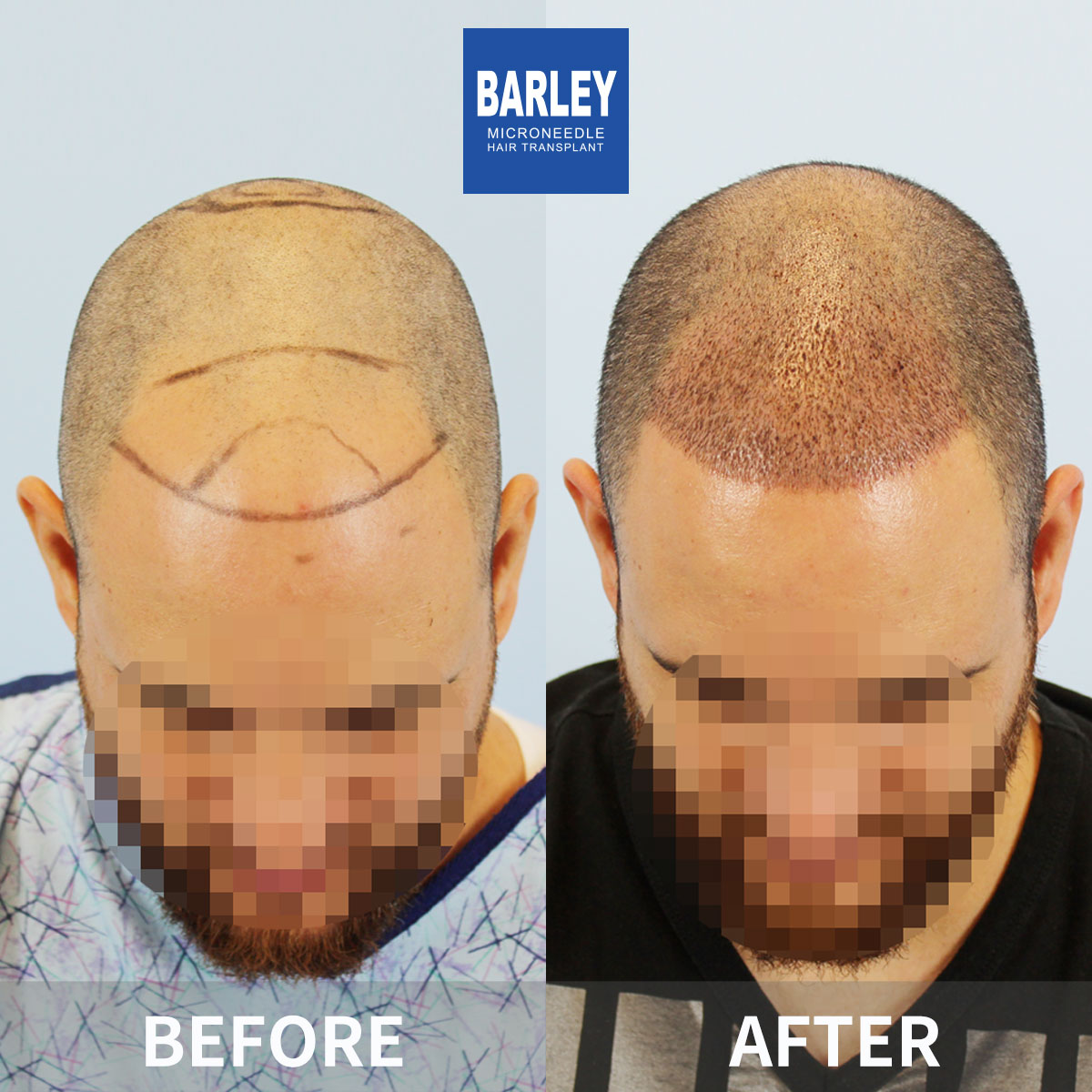
What Is Hair Thickening

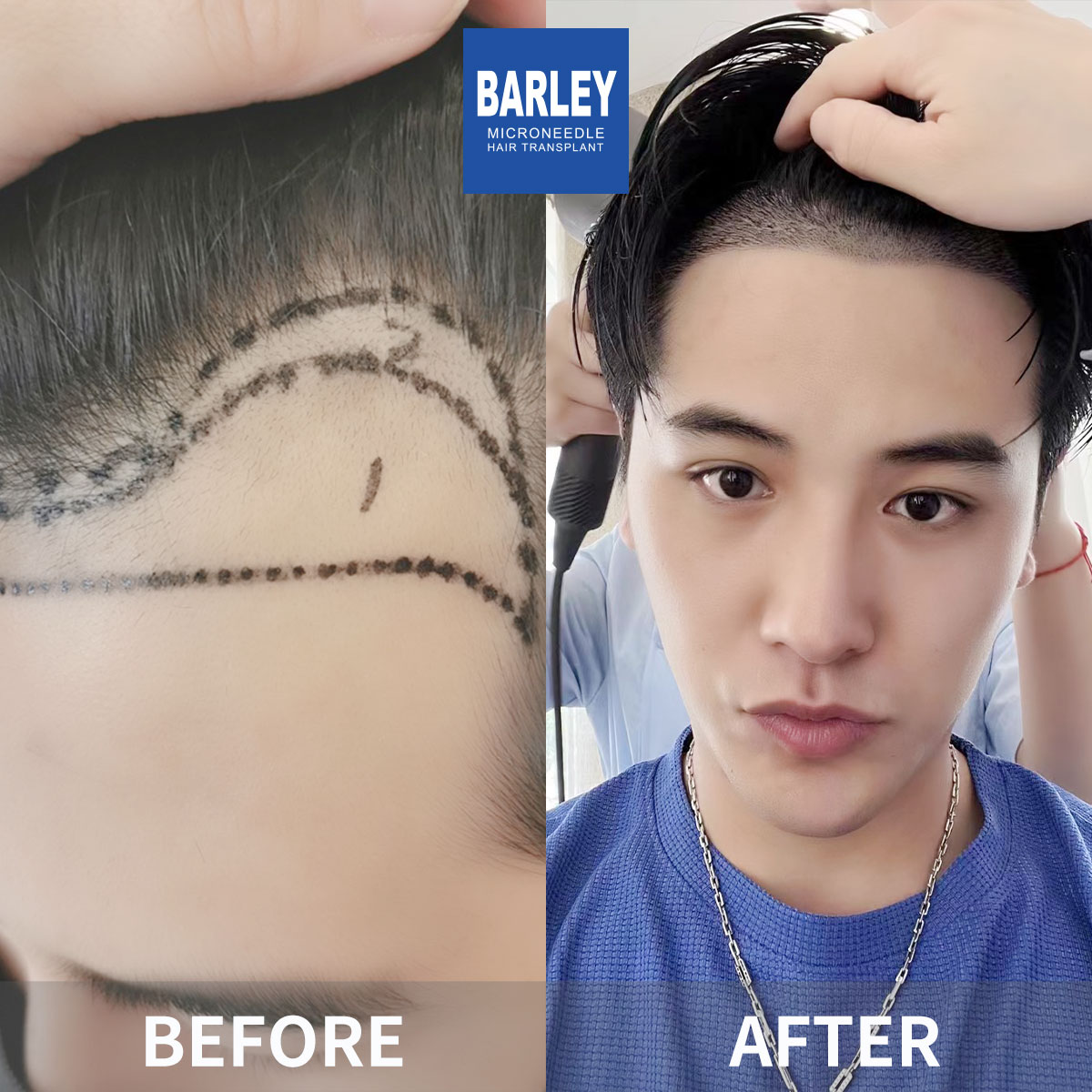
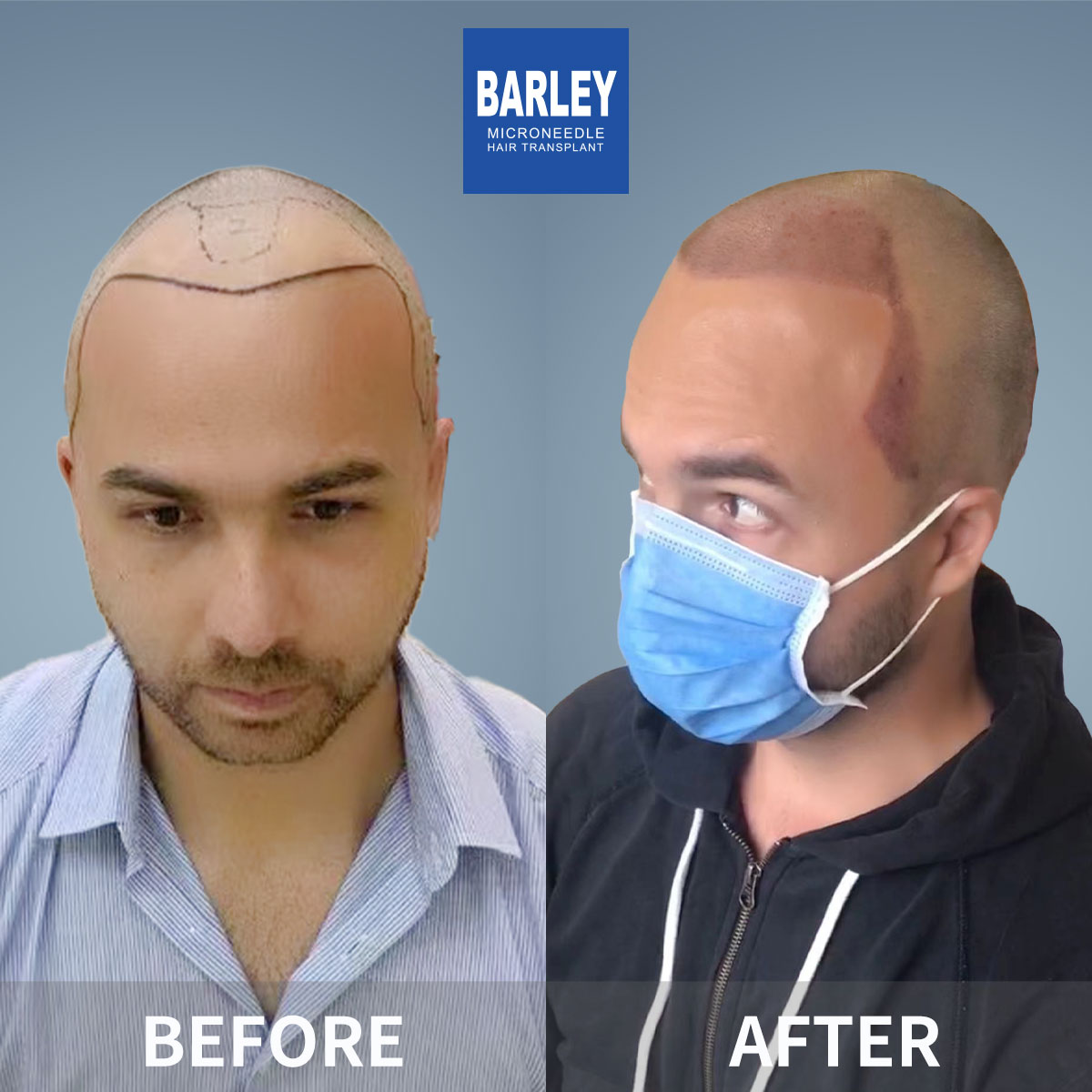
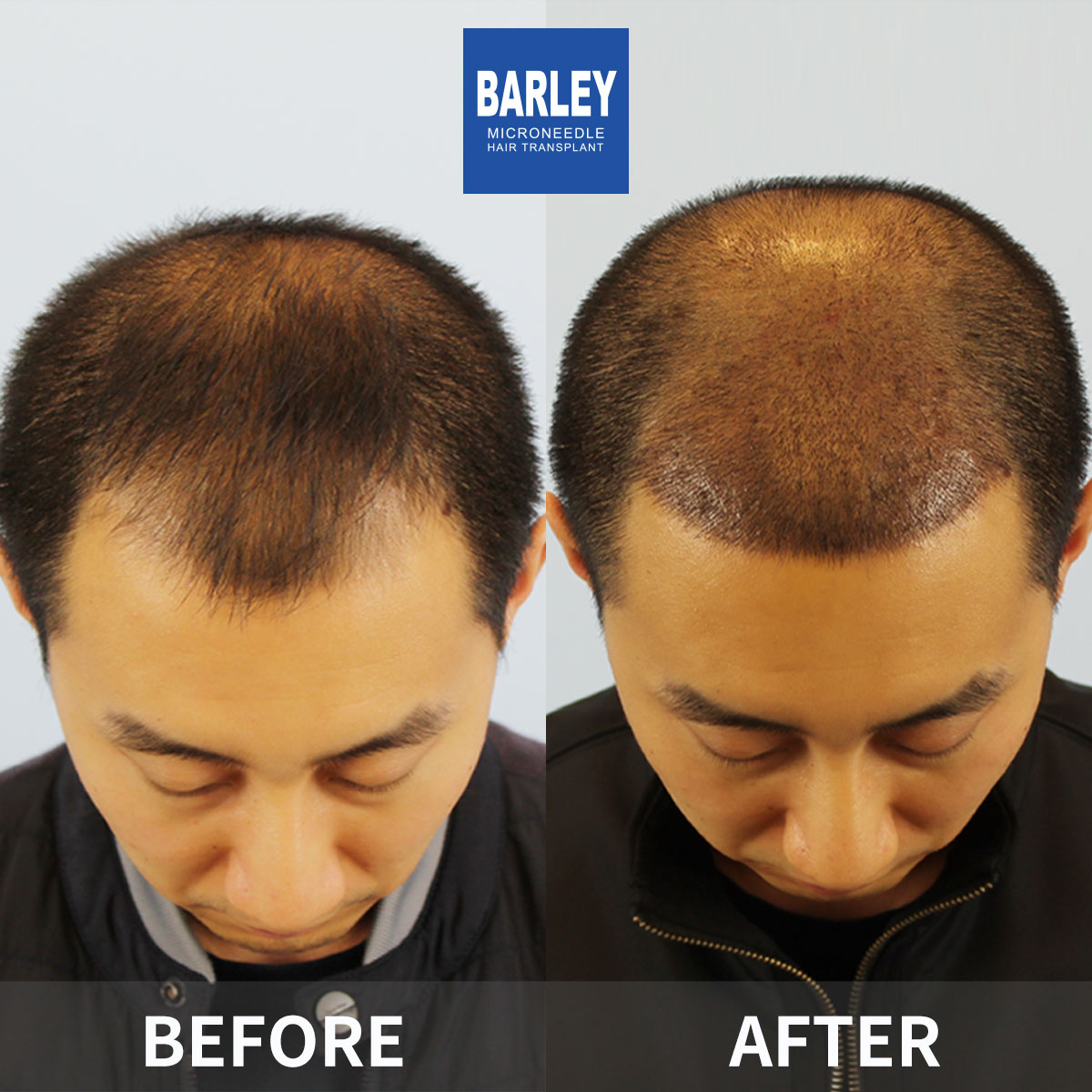
Before: Thin & Sparse

Hair density: 30-40 hairs/cm²

After: Full & Dense

Hair density: 50-60 hairs/cm²

Hair thickening is not about transplanting new hair to bald areas — it's about increasing density in existing thinning areas. Using our proprietary microneedle FUE technology, we strategically place healthy follicular units between your existing hairs to create a visibly fuller, more voluminous appearance. The result? A 40-60% increase in visual density after a single session, with results that look completely natural and last a lifetime.

Are You a Good Candidate

Ideal Candidate

  • Have diffuse thinning across the scalp
  • Can see scalp under bright or overhead light
  • Hair lacks volume and body
  • Crown area becoming translucent
  • Had previous transplant wanting more density
  • Female pattern diffuse thinning
  • Age-related density loss

Not Ideal Candidate

  • Completely bald areas (no existing hair)
  • Very limited donor hair supply
  • Active scalp infections or conditions
  • Unrealistic expectations about density
  • Very advanced hair loss (Norwood 6-7)
  • Unable to commit to aftercare protocol

How It Works

1

Density Analysis

Advanced imaging measures your current hair density and identifies thinning zones

2

Strategic Planning

Custom graft calculation using zigzag distribution pattern for natural results

3

Precision Placement

0.6mm microneedle places grafts between existing hairs with zero damage

4

Natural Growth

Transplanted hair grows permanently with 40-60% density increase

Density Improvement Areas

Crown Area

Targeted density restoration for thinning vertex region

1,500-2,500
Grafts
50-60%
Improvement

Mid-Scalp

Comprehensive coverage for diffuse thinning across the top

2,000-3,000
Grafts
45-55%
Improvement

Full Scalp

Complete density restoration for advanced diffuse thinning

3,000-4,000
Grafts
40-50%
Improvement

What to Expect

Day 1-3: Recovery

Minimal downtime. Return to normal activities within 3-5 days. Tiny scabs form naturally.

1

Week 2-4: Shedding Phase

Transplanted hairs shed naturally. This is expected and completely normal.

2

Month 3-4: New Growth

New hair begins to grow. You'll see initial density improvement.

3

Month 6: 60% Results

Significant visible density increase. Hair continues to thicken and mature.

4

Month 12-18: Final Results

Full, mature results with maximum thickness. 40-60% density increase achieved.

5

Why Choose Barley

18+
Years of Experience
Pioneering since 2006
100K+
Successful Procedures
Proven track record
95%
Graft Survival Rate
Industry-leading results
50+
Countries Served
International trust
Hair Density Restoration

Restore Your Hair's Natural Fullness

Precision FUE technology designed specifically for thinning hair
Hair Thickening
Density Enhancement Excellence

Transform Thin, Fine Hair Into Full, Healthy-Looking Hair

If your hair has gradually become thinner and less dense over the years, our hair thickening transplant can restore the full, healthy appearance you once had. We strategically add healthy follicles throughout your thinning areas, creating a significant density boost that is completely natural and permanent.

  • 40-60% Density Increase

    After a single session

  • Precision Placement

    Between existing hairs

  • Zero Damage to Native Hair

    Safe for existing follicles

  • Permanent Results

    Lasts a lifetime

Ideal Candidates

  • Thinning hair across the scalp
  • Weak crown density
  • Naturally fine or thin hair
  • Previous transplant needing more density
  • Female pattern thinning
  • Age-related density loss

Problems We Address

  • Scalp visible under bright or overhead light
  • Lack of volume and body in your hair
  • Thin, wispy hair that lacks substance
  • Crown area becoming translucent
  • Uneven density across different zones
  • Overall low hair count per area

The Barley Difference

  • Organic Distribution: Zigzag placement pattern that mimics natural hair growth
  • Multi-Hair Grafts: 2-3 hair grafts for maximum visual density per unit
  • Data-Driven Planning: Precise density measurement and custom graft calculation
  • Native Hair Protection: 0.6mm tools place grafts without harming existing hair
  • Angle Matching: Every graft follows your natural hair direction
  • Proven Track Record: Thousands of successful density enhancement procedures

Our Thickening Process

Your journey to fuller, denser hair — step by step

1

Density Analysis

Measure your current hair density and identify all thinning zones

2

Donor Evaluation

Assess available donor follicles for optimal density restoration

3

Follicle Harvesting

Extract individual grafts using our 0.6mm microneedle FUE system

4

Graft Sorting

Separate single-hair and multi-hair grafts for strategic placement

5

Precision Implantation

Place each graft between existing hairs with perfect angle matching

6

Aftercare & Growth

Comprehensive recovery support and progress monitoring

Why Barley's Thickening Stands Out

What makes our density enhancement procedure different

Scientifically Planned Distribution

We do not simply pack grafts in randomly. Our surgeons use a scientifically calculated distribution pattern that maximizes visual density with the fewest possible grafts. This approach gives you the most natural-looking fullness while preserving your donor reserves for the future.

Maximum Visual Impact

By strategically placing multi-hair grafts in areas where density is most lacking, we achieve a greater visual impact than transplanting the same number of single-hair grafts. This means you get a fuller-looking result with fewer total grafts — saving both time and money.

Zero Native Hair Damage

Our ultra-fine 0.6mm microneedle tools are small enough to pass between your existing hairs without disturbing or damaging them. This is critical for thickening procedures where the goal is to add density while preserving every single native hair you still have.

Why Choose Barley Hair Transplant Hospital

An industry leader trusted by patients worldwide

18+ Years of Experience

Pioneering microneedle hair transplant technology since 2006

30+ Direct-Operated Clinics

Across major Chinese cities, all maintaining the same high clinical standards

10+ Patented Technologies

Innovative microneedle and implant pen systems for consistently superior results

100,000+ Successful Procedures

Trusted by international patients for consistent, remarkable results

English-Speaking Staff

Full English-language support for international patients from consultation through recovery

Patient Safety First

State-of-the-art facilities with strict clinical protocols for your peace of mind

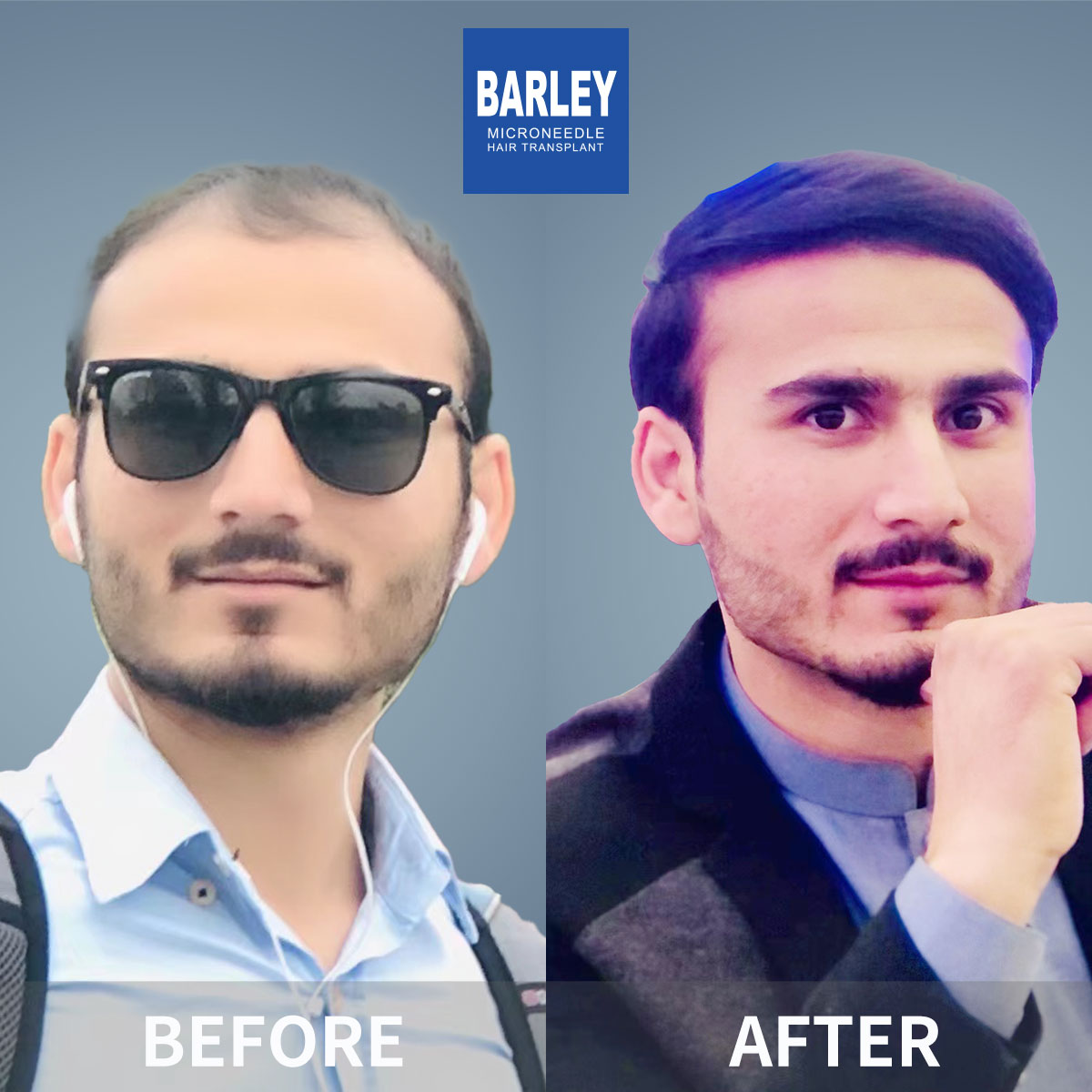
Real Patient Results

See the remarkable density transformations our patients have achieved
Happy Patients

Moments captured with our satisfied patients
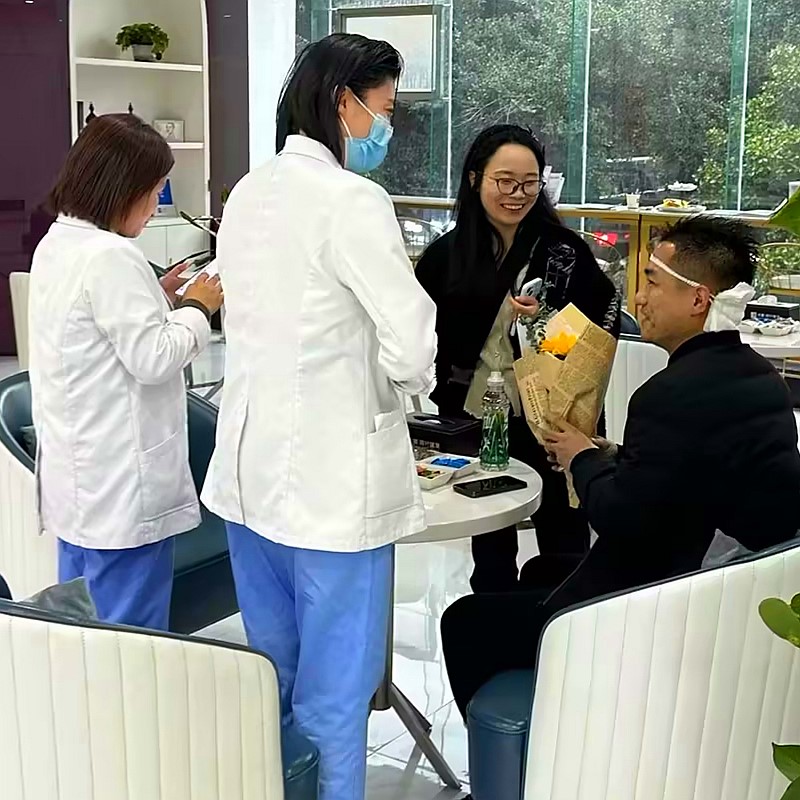
Happy Hair Transplant Patient - Barley Hospital

Happy Patient

Posing with our medical team after successful procedure
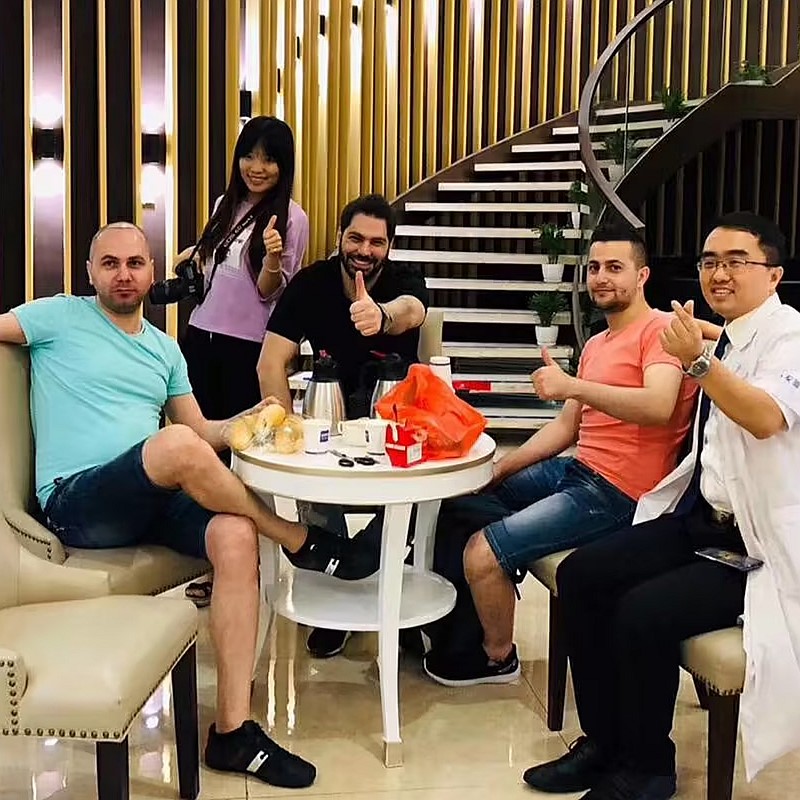
Happy Hair Transplant Patient - Barley Hospital

Grateful Patient

Celebrating fantastic results with our doctors
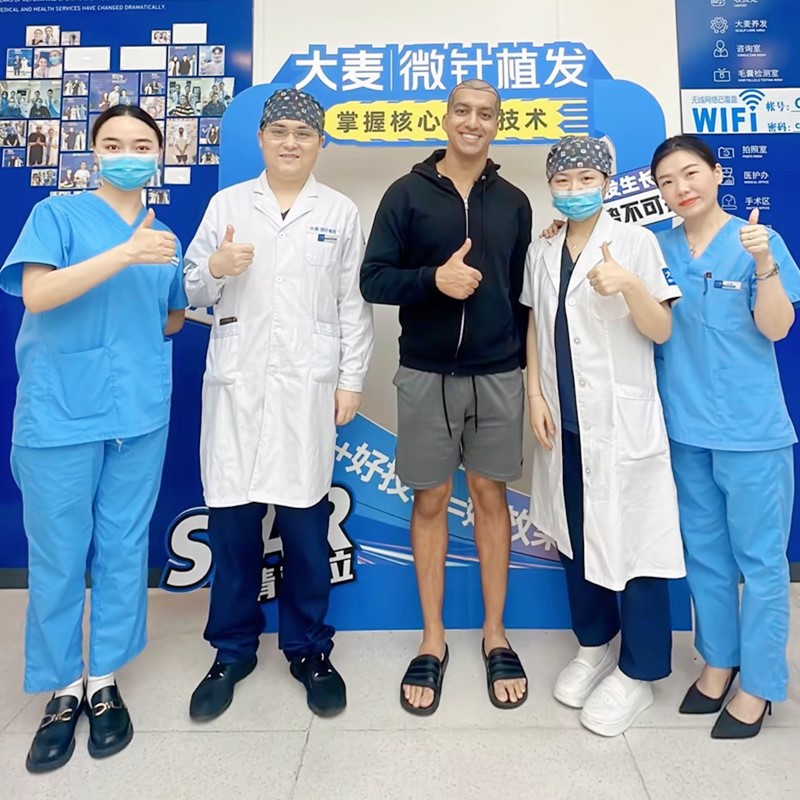
Happy Hair Transplant Patient - Barley Hospital

Success Story

Another satisfied patient shares their joy
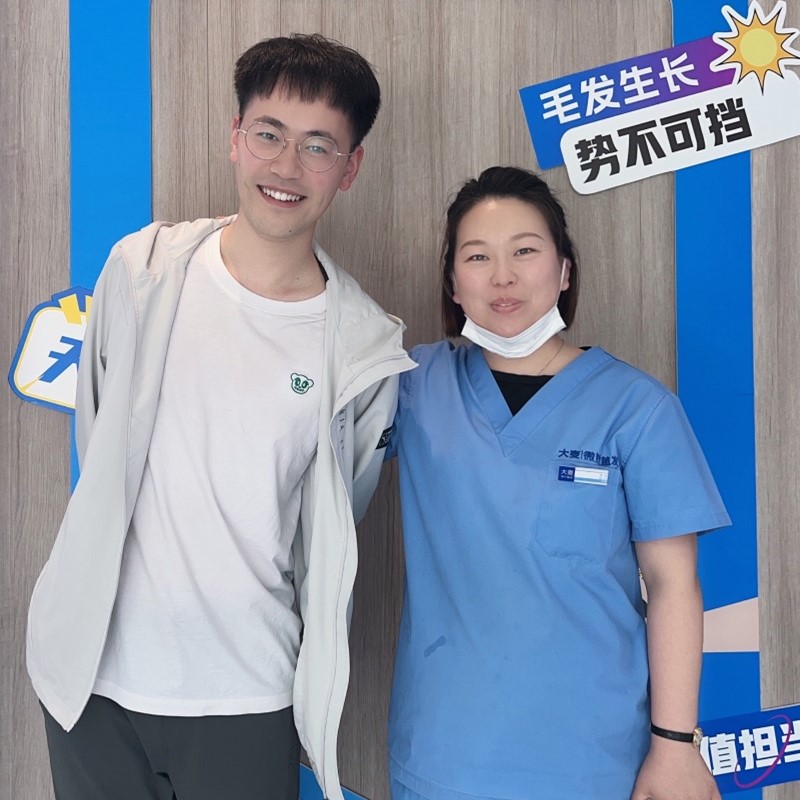
Happy Hair Transplant Patient - Barley Hospital

Smile Restored

Patient with our specialist before discharge

Happy Hair Transplant Patient - Barley Hospital

Natural Look Restored

Happy patient with Dr. Chen post-treatment
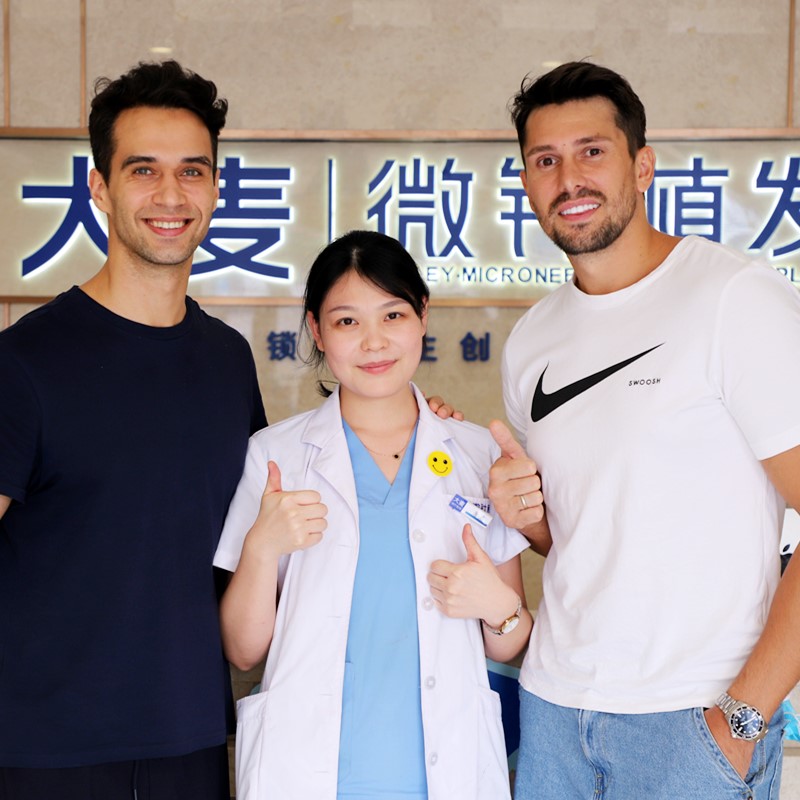
Happy Hair Transplant Patient - Barley Hospital

Transformation Success

Excited patient showing their new look

Happy Hair Transplant Patient - Barley Hospital

Confidence Regained

Patient delighted with their transformation
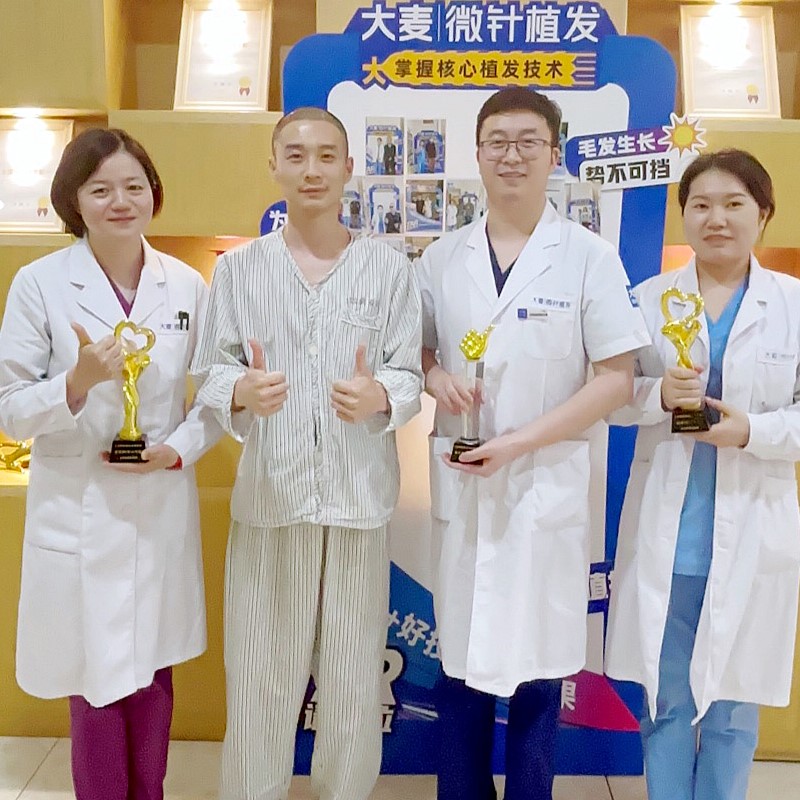
Happy Hair Transplant Patient - Barley Hospital

New Journey Begins

Patient starting fresh with amazing results

Patient Stories

Hear from patients who chose Barley for their density restoration

My main bald spot was right at the crown swirl — that annoying see-through patch on the very top where everyone at the office could see when I walked past. I got 1,900 grafts specifically concentrated in the swirl area, which is the most difficult zone for natural direction match because the hair whorls in a spiral pattern. The surgeon mapped out my actual swirl direction before the procedure and followed it exactly — you cannot tell where my natural crown ends and the transplanted hair starts. At month 9 I can run my hand over the spot and feel real hair growing in the exact same circular pattern as my original swirl. Totally seamless.

DO

Declan O'Brien

Ireland

I'm a 36-year-old woman and my center hair part had gotten so wide I started carrying a tiny travel hairspray bottle to re-fluff it every time I used a restroom mirror. I was terrified of a full transplant but Barley's female-specific thickening protocol was perfect — they placed 1,300 ultra-fine single-hair grafts directly in my part line without making it look plugged-in or masculine. The surgeon staggered the placement into a natural zigzag instead of a straight line, and my girlfriends just keep asking what hair serum I started using because my part looks half as wide as it did 6 months ago. No one's guessed it was a procedure.

AS

Ana Carolina Souza

Brazil

What I stressed about the most before my thickening procedure was whether the new grafts would match my existing hair direction, since I have really strong natural hair flow that angles diagonally forward across my top. The team took about 20 minutes before the procedure just mapping every single angle of my native hair with a protractor — I'm not even exaggerating. They placed all 2,200 grafts between my existing strands using that exact same 38-degree angle, so when the hair falls naturally it blends into my original hair perfectly. No weird tufts sticking out, no visible patch of different-direction hair. Just thicker hair that looks like it grew there on its own.

SA

Sami Al-Farsi

Oman

The density improvement is just absurd. I had my trichoscopy measurements taken before and after — I started at 32 hairs per cm² in my thinning zone and now at 10 months I'm at 68 hairs per cm². That's basically doubled. But the craziest part isn't the numbers, it's the visual effect in photos. Old pictures of me from 1 year ago I look like a completely different person — my scalp was showing through everywhere, and now my hair catches the light like it has real body and volume instead of lying flat and see-through. My mom saw me last month and literally teared up because she hadn't seen my hair this full since I was in university.

TN

Thabo Ndlovu

South Africa

I was genuinely convinced people would be able to tell I'd had work done. I've been so self-conscious about my thinning that I watch every hair-related YouTube video looking for the 'tells' of a bad transplant: plugged hairlines, unnatural density, fake hairlines. After my 2,000-graft thickening at Barley, I literally challenged three of my closest friends to inspect my head under a bright bathroom light and tell me where the work was. None of them could find a single spot. Not one. My barber, who cuts my hair every 2 weeks and has known me for 8 years, just asked if I started taking a new supplement because my hair looked denser. Nobody knows. That's the best result I could have asked for.

JR

Javier Ruiz

Colombia

I went to three different consultations before deciding: two clinics pushed SMP scalp micropigmentation hard because it's faster and higher-margin for them, but I didn't want a fake illusion of hair — I wanted actual real hair that grows and I can cut and style. SMP looks okay from 3 meters away but up close it's just tattoo dots that blur over time and you can't run your hands through it. The 2,300 graft thickening I got at Barley gave me REAL hair density. Yeah, it costs more upfront than SMP and I had to wait 10 months for full growth, but now I can run my fingers through it, get a haircut normally, and if I shave my head short it looks like actual scalp with real hair follicles, not a permanent tattoo. Zero regrets choosing actual thickening over SMP.

PC

Petros Constantinou

Cyprus

Our Clinic Environment

Experience our modern and comfortable facilities
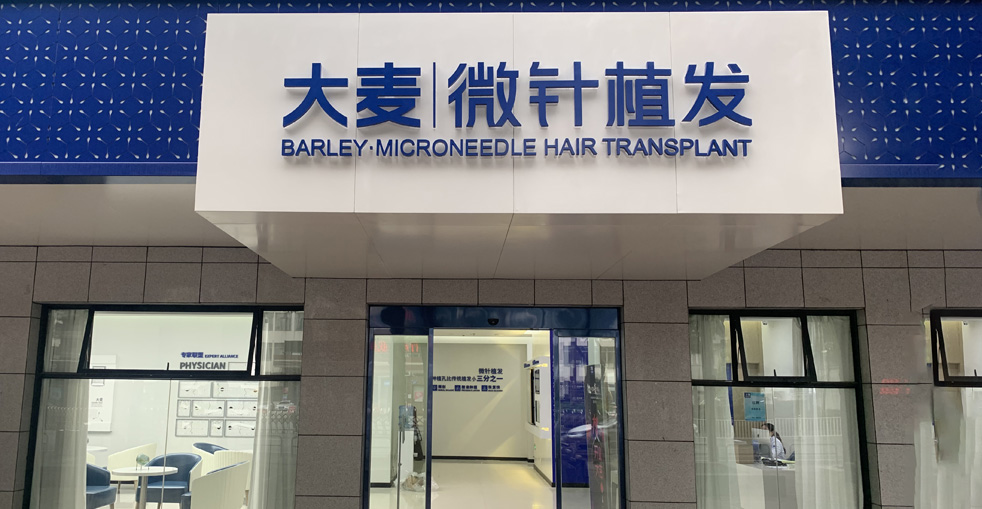
Barley Hair Transplant Clinic Environment

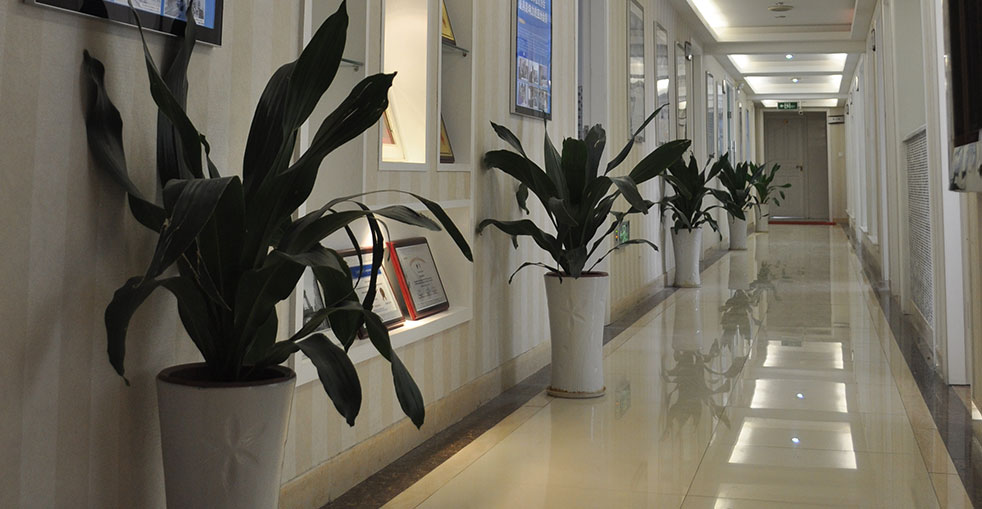
Modern Clinic

Our state-of-the-art facility

Barley Hair Transplant Clinic Environment

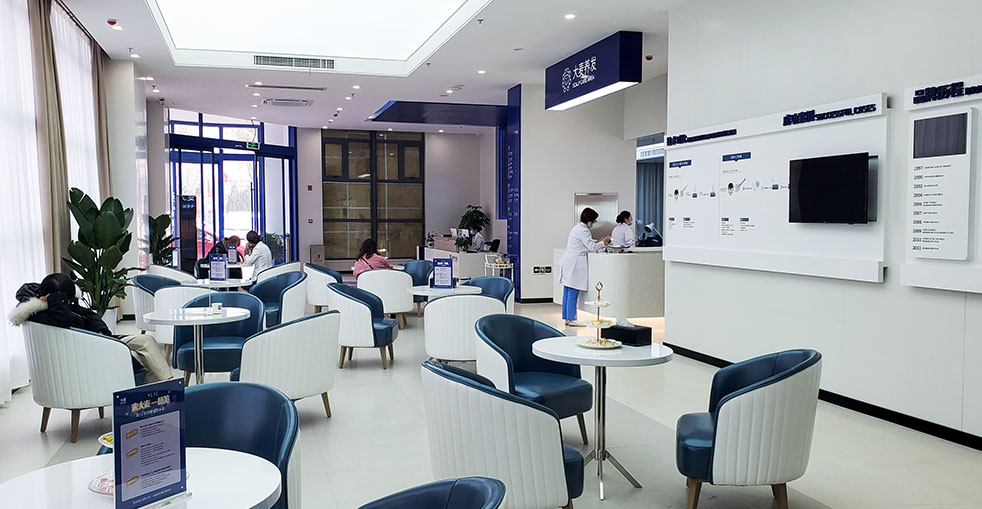
Comfortable Waiting Area

Relax in our premium lounge

Barley Hair Transplant Clinic Environment

Operating Room

Sterile and advanced

Barley Hair Transplant Clinic Environment

Consultation Room

Private and professional

Barley Hair Transplant Clinic Environment

Recovery Area

Comfortable post-op space

Barley Hair Transplant Clinic Environment

Reception

Welcoming entrance

Frequently Asked Questions

Answers to the questions our patients ask most often

Does hair thickening damage existing native hairs during placement
When done correctly with proper technique, thickening should not cause any permanent damage to your existing native hairs. At Barley we use 0.6–0.8mm ultra-fine implanters that are literally narrower than a single hair follicle, and the placement team is specifically trained to angle each new graft into the tiny gaps between existing strands instead of driving straight through them. There is a small percentage of patients who experience temporary 'shock shedding' of nearby native hairs for the first 6–8 weeks post-procedure, but this is caused by localized surgical inflammation, not physical damage — and over 95% of those shed native hairs grow back normally within 4 months. We do a pre-procedure trichoscopy on every patient to identify weak miniaturized hairs that are at risk anyway and advise accordingly.
How many grafts are generally appropriate for a thickening session
This varies a lot depending on how diffuse your thinning is and how much remaining native hair you already have. For localized thickening — just a crown swirl or a female hair part line — 800–1,500 grafts is the sweet spot, and anything more would risk overcrowding the area and damaging native follicles. For moderate diffuse thinning across the entire top zone but where hair is still present everywhere, 1,500–2,500 grafts is typical for a first session. We very rarely go above 3,000 grafts for pure thickening in one session, because once the existing gaps between native hairs are reasonably filled, placing more starts to put pressure on the existing follicles. The exact number comes from the trichoscopy density scan where we count hairs/cm² in each zone and never exceed 60% fill of the available gaps.
What's the density difference between thickening and an initial full transplant
There's a massive difference. An initial full hair transplant on a completely bald Norwood 3-4 scalp can be packed to 65–80 grafts per cm² with impunity, because there's nothing in the recipient site to damage — just empty scalp. Thickening, by contrast, has to work around existing native hairs, so we're filling the gaps BETWEEN follicles instead of placing into virgin space. Realistically, for a thickening procedure on a scalp with 40 native hairs/cm², we can only safely add 20–28 new grafts/cm² in a session, bringing the total to 60–68. You can't match the absolute density of a first-time virgin transplant because there's physically less available space, but visually the improvement still looks dramatic because the native hair was already there — the eye just sees 'full' instead of 'see-through' once the gaps are closed.
Is thickening technically more demanding for the surgeon than regular hair transplant
Absolutely yes — thickening is the single most demanding service in hair restoration surgery, by a wide margin. When you're doing a standard hairline transplant on a bald area, the surgeon is just placing into empty space with a basic direction template. For thickening, the placement team has to work millimeter by millimeter around existing living follicles, adjusting the angle of every single graft to match the exact native hair direction, depth, and curl pattern at that exact spot on the scalp. If the implanter deviates even 0.5mm they can slice an existing follicle and kill it permanently. At Barley, only placement technicians with a minimum of 5 years experience and a 99% native-hair preservation record on 1,000+ prior cases are allowed to perform thickening procedures. It's not something you want a junior technician learning on.
Approximately how much does female part-line thickening typically cost
At Barley, female part-line thickening is usually priced by total graft count rather than a flat package, since every woman's part width and length is different. A minimal part-line touch-up (600–900 single-hair grafts, usually a narrow center part) runs roughly $840–$1,260 USD. A more common moderate case covering the full visible part line plus some temple fill (1,000–1,500 grafts) is usually $1,400–$2,240 USD. For women also adding crown density, a 1,800–2,200 graft case runs $2,500–$3,500 USD. These prices are roughly 60-70% lower than comparable female thickening at top-tier US or UK clinics, and we use exclusively single-hair follicular units for female part lines to keep everything ultra-natural.
Will hair thickening look fake, plugged, or obviously artificial
Thickening done well will never look fake — because the existing native hair provides all the natural camouflage you need. The biggest risk of a fake/plugged look actually comes from BAD thickening where the surgeon: 1) places multi-hair grafts too close together in a straight pattern, 2) doesn't follow the natural angle and direction of the existing native hair, or 3) over-packs the area so follicles pop out at weird angles. At Barley we exclusively use single-hair follicular units in the front hairline and part-line zones, stagger placement instead of using grid patterns, and always under-fill by about 10% compared to the theoretical maximum density to leave room for the native hairs to grow. The only time someone might look like they 'had work done' is if they go to a clinic that treats thickening exactly like a bald-area transplant. Proper thickening is invisible.
Long-term, is thickening more cost-effective than hairpieces or wigs
Absolutely yes — thickening wins hands-down on a 5+ year timeline. A decent human-hair topper or wig unit costs $800–$2,000 USD and needs replacement every 6–12 months because the base wears out, the hair sheds, and the color fades from washing. Plus you're paying monthly for maintenance, re-bonding, re-coloring — roughly $150–$300 per month at a good hair replacement salon. Over 5 years that's easily $15,000–$25,000 minimum, and you still don't have real hair you can wash, swim with, or run your fingers through. A thickening procedure at $3,000–$6,000 one-time cost gives you your own permanent growing hair that never needs replacement, rebonding, or maintenance appointments. The breakeven point is usually at 2.5 years max, and after that you're literally saving money forever while having actual real hair.

Contact Us

Click to copy contact information

WeChat

15810155700

WhatsApp

+86 13730143529

WeChat QR Code

Get Free Consultation

About Barley

Established by a team of doctors with 31 branches in China's major cities, Barley Microneedle Hair Transplant Hospital has always been pursuing the best technology, better quality and more safety to help you with all kinds of hair loss problems.

You Might Also Want to Know

Everyone's hair loss journey and solution are unique due to a variety of factors. Our hair restoration experts will assist you in determining the root cause and the best solution for your hair restoration plan. If you have any questions, please ask; we are happy to assist.
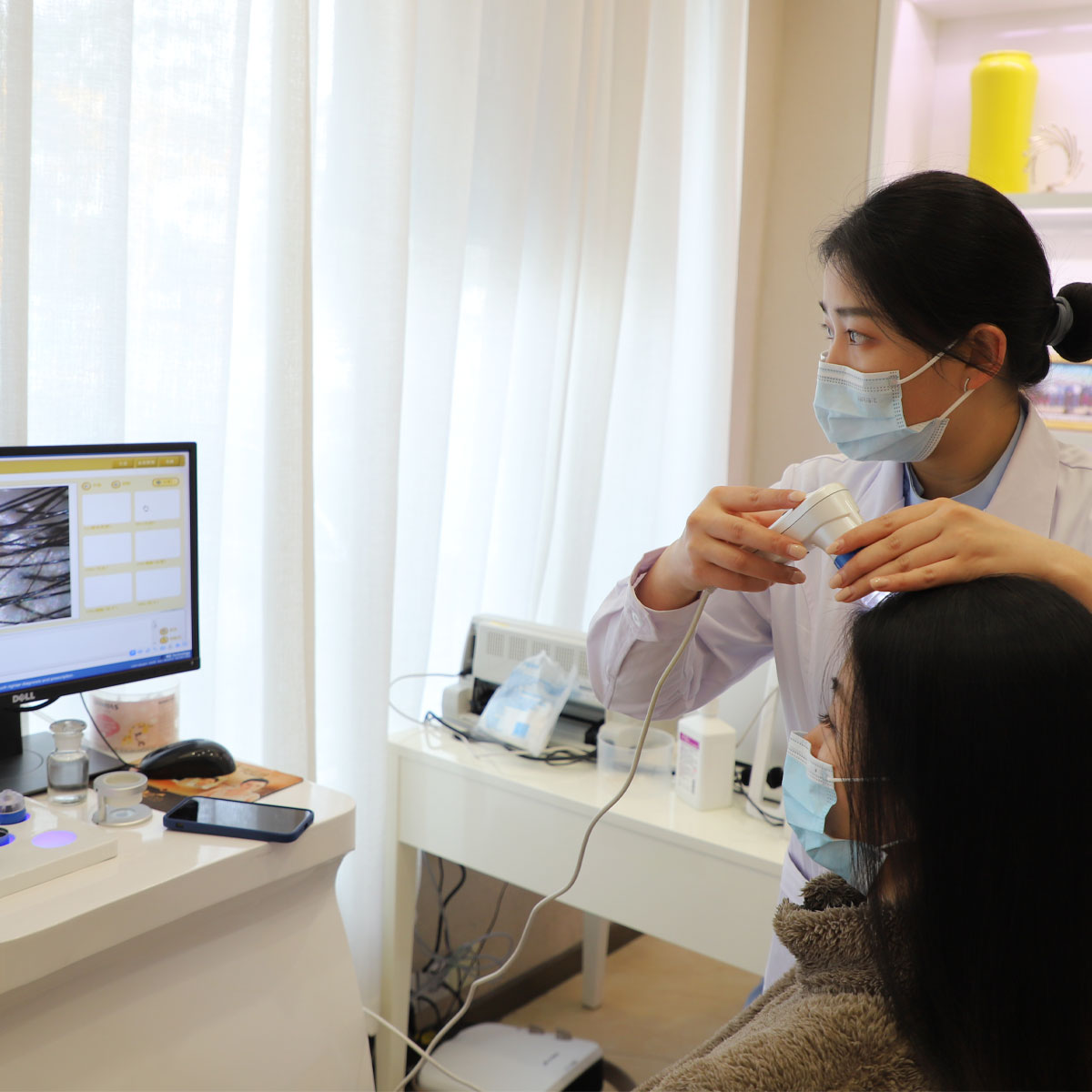

Hair Transplant Consultation