Scar hair transplant at Barley

Scar Hair Transplant

Cover scars and restore confidence with our advanced microneedle technology

Schedule Free Consultation
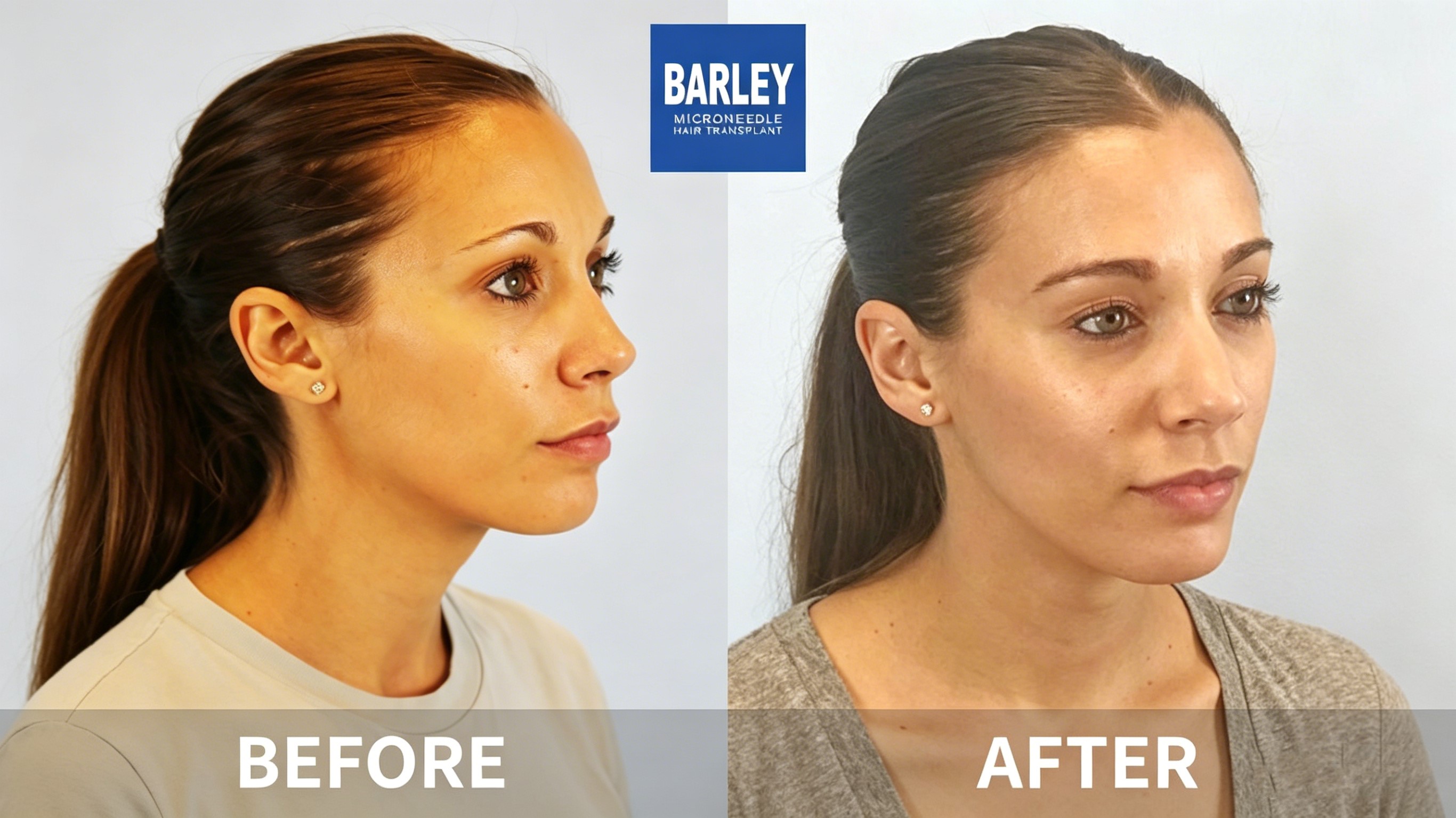
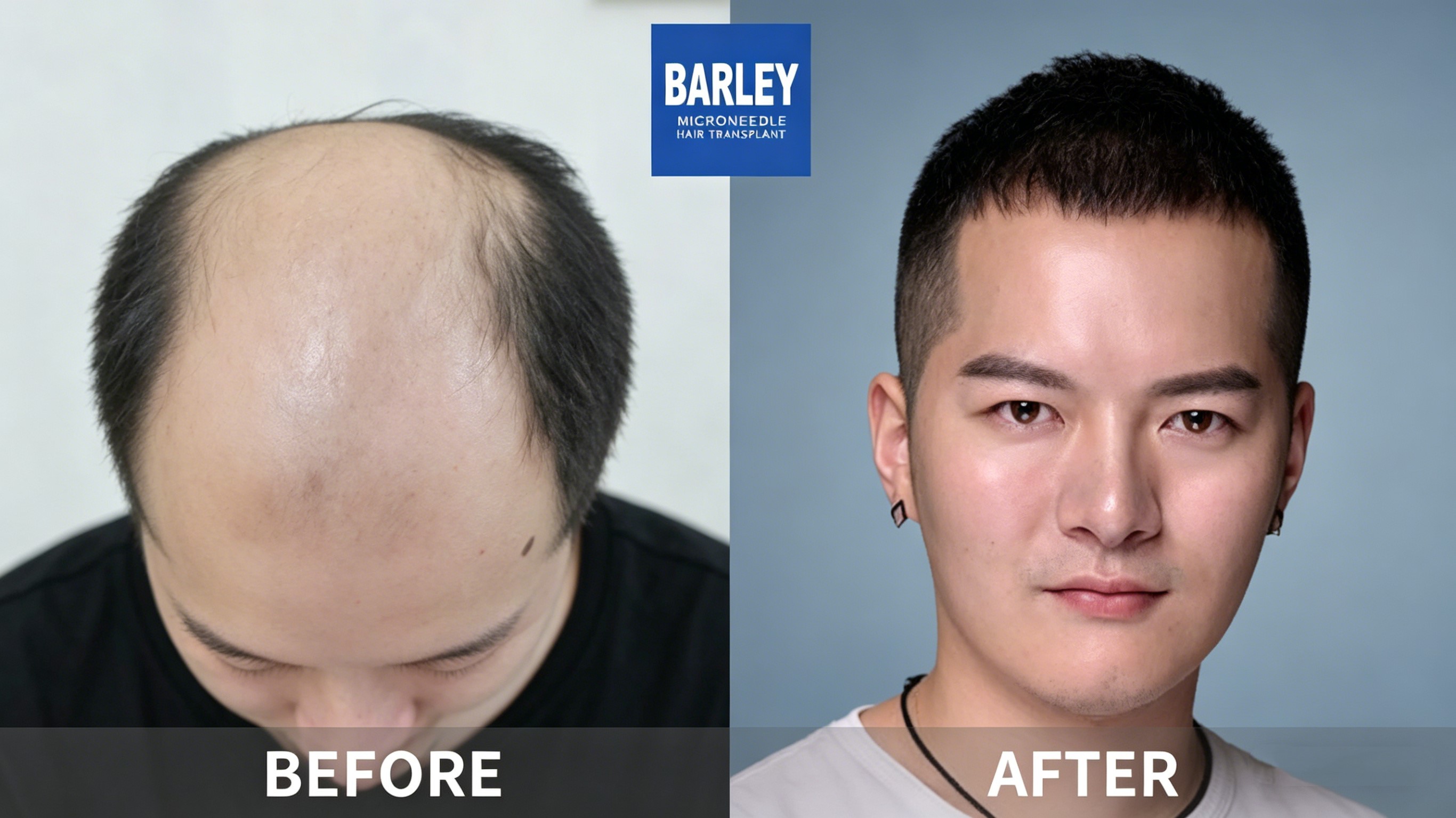
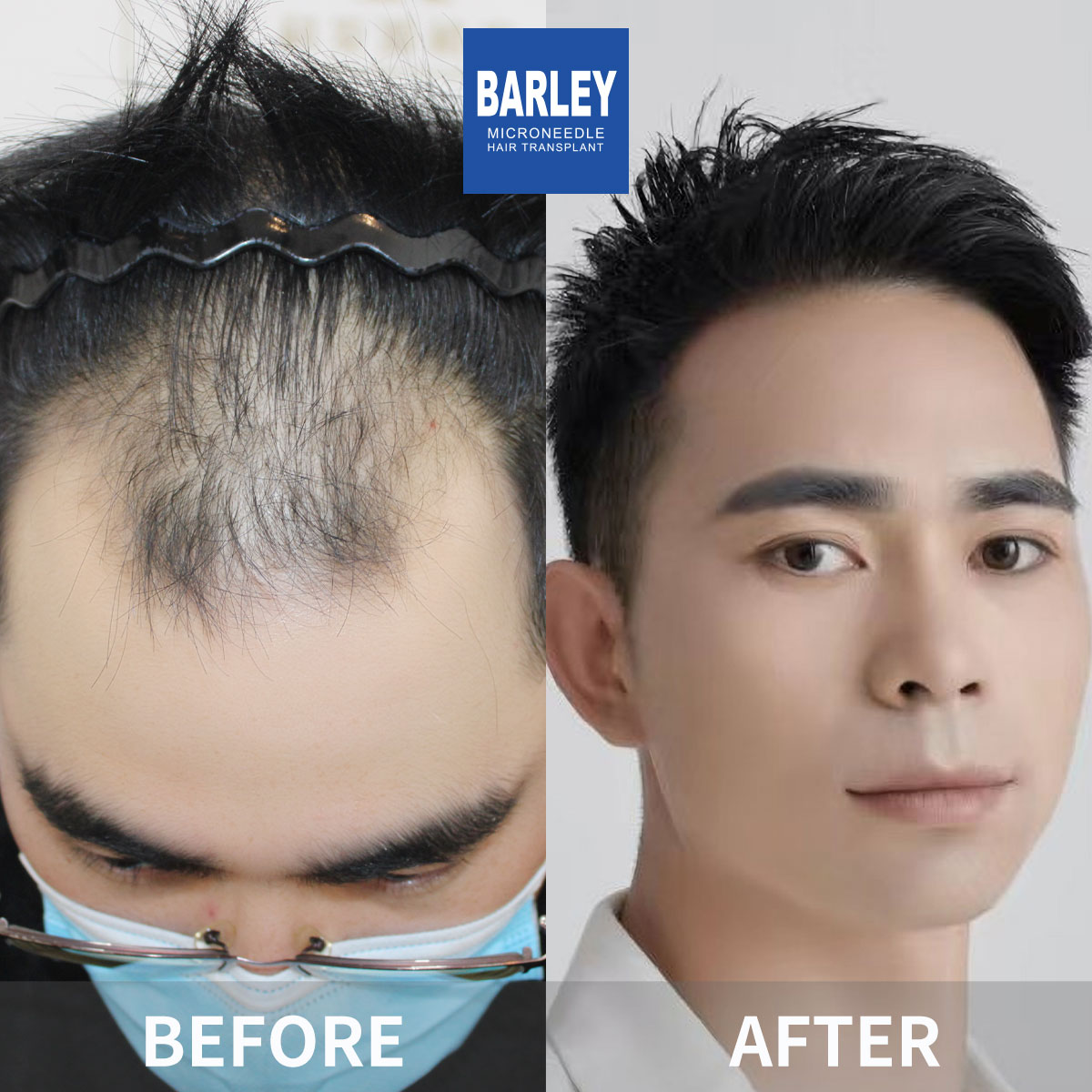
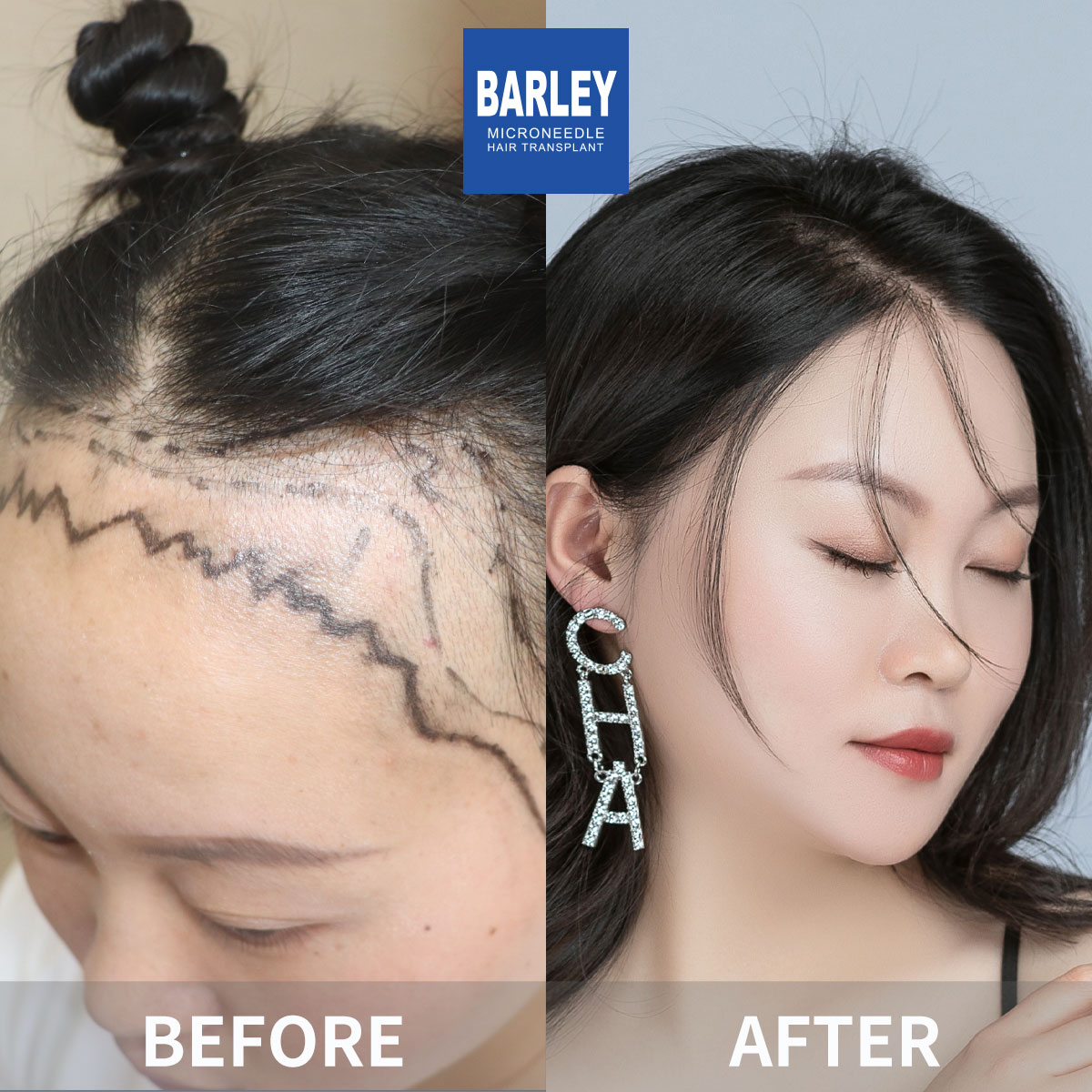
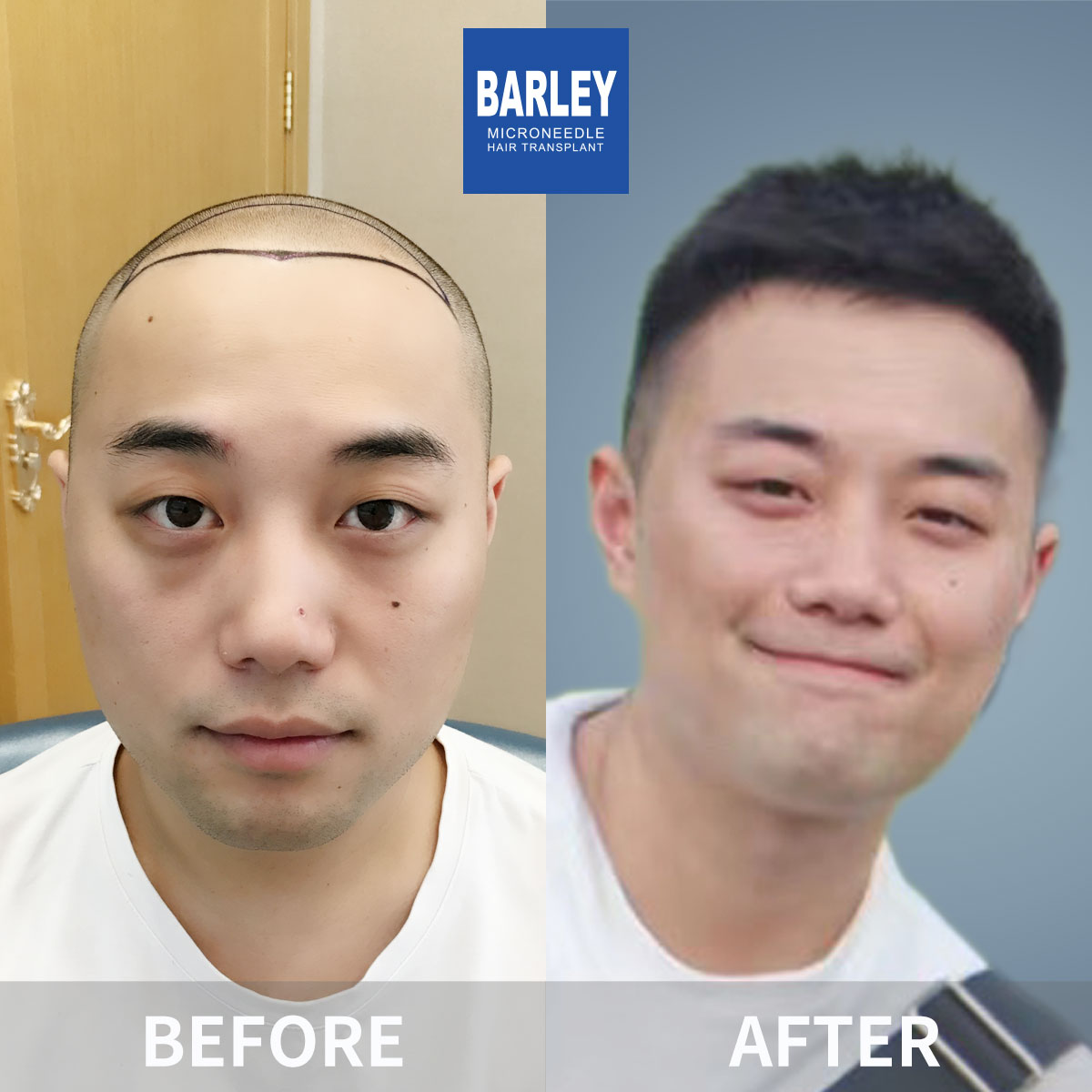
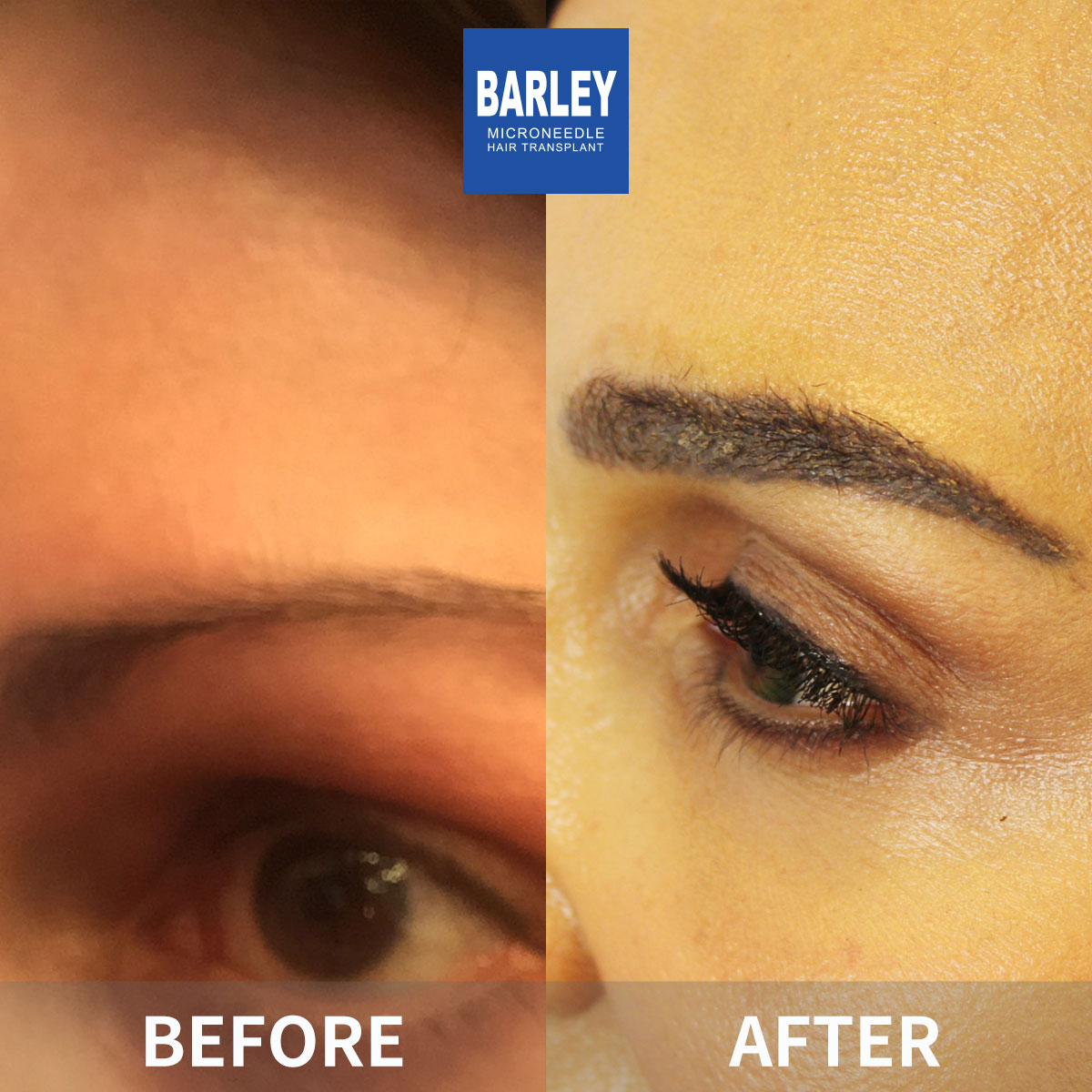
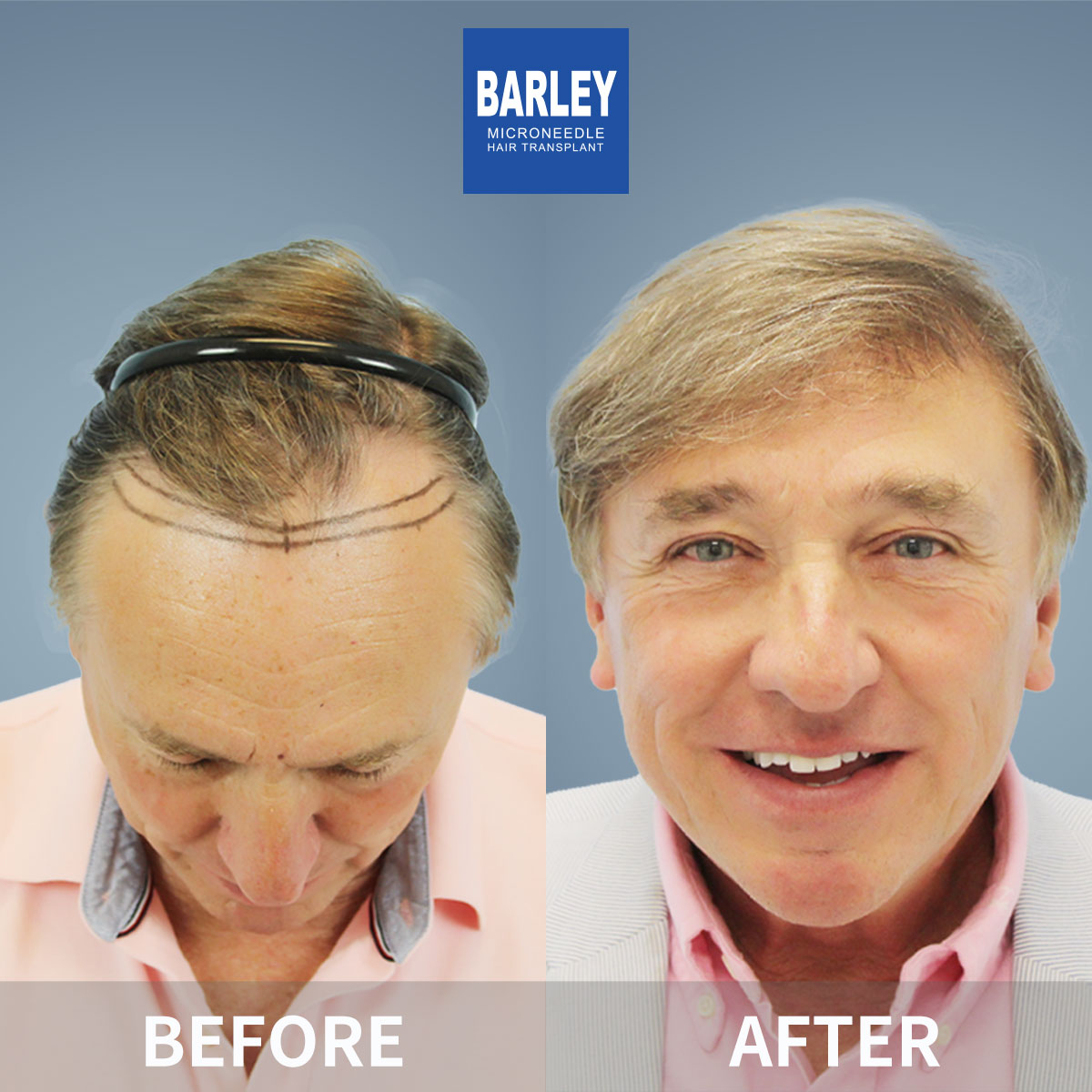
Scar coverage results

Natural Scar Coverage

Our patented microneedle technology seamlessly restores hair in scarred areas

Schedule Free Consultation
Permanent scar restoration

Permanent Results You Can Trust

Life-changing transformations backed by 18 years of clinical expertise

Schedule Free Consultation

What Is Scar Hair Transplant

Transform visible scars into natural-looking hair growth

The Problem: Visible Scars

Scars on the scalp or face can significantly impact confidence and social interactions

  • Raised or depressed scar tissue
  • No hair growth in affected areas
  • Constant self-consciousness
  • Limited styling options
  • Difficulty concealing with makeup

The Solution: Scar Coverage

Our advanced microneedle technology restores natural hair growth over scar tissue

  • Natural hair grows through scar
  • Seamless blending with existing hair
  • Restored confidence and self-esteem
  • Unlimited styling possibilities
  • Permanent, low-maintenance results

Types of Scars We Treat

Specialized solutions for every type of scar

FUE Scars

Small dot scars from previous FUE procedures that need coverage for a uniform appearance

Microneedle Coverage

FUT Scars

Linear scars from traditional strip surgery that require precise follicle placement

Density Restoration

Injury Scars

Scars from accidents, trauma, or surgeries with irregular shapes and sizes

Custom Shaping

Burn Scars

Complex scars from burn injuries requiring specialized techniques and multiple sessions

Advanced Protocol

Are You a Good Candidate

Find out if scar hair transplant is right for you

Ideal Candidate Criteria

Most people with scalp or facial scars are good candidates for hair transplant. During your consultation, we evaluate these key factors:
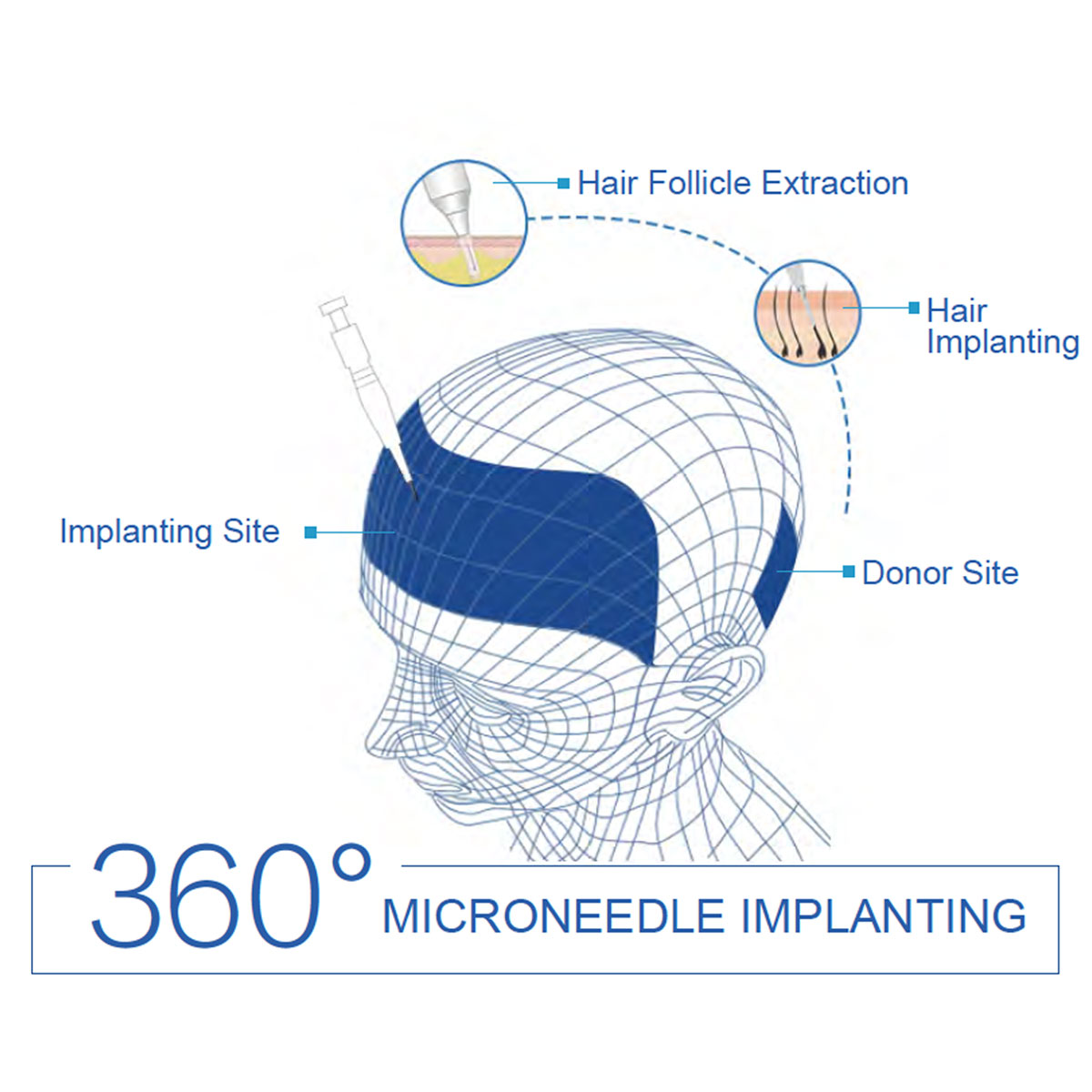
  • Scar Maturity: Scar is at least 12 months old and fully healed
  • Adequate Blood Supply: Scar tissue has sufficient circulation to support graft survival
  • Sufficient Donor Hair: Enough healthy follicles available in the donor area
  • Realistic Expectations: Understanding that results may vary based on scar type and size
  • Good General Health: No conditions that would impair healing or graft survival
  • Stable Hair Loss: If experiencing hair loss, it should be stabilized with treatment
Scar hair transplant consultation

Our Scar Treatment Technique

A proven 5-step process for optimal scar coverage

Assessment

Comprehensive evaluation of scar tissue, blood supply, and treatment planning

Design

Custom treatment plan with precise mapping of graft placement and density

Extraction

Gentle harvesting of healthy follicles using 0.6mm microneedle technology

Implantation

Precise placement with 360° rotation control for natural angle and direction

Recovery

Guided healing process with specialized aftercare for optimal graft survival

What to Expect

Your recovery journey from procedure to final results

Day 1-3

Initial Healing

Mild swelling and redness around the treated area. Small scabs form around each graft. Most patients can return to light daily activities within 24-48 hours.

Week 1-2

Scab Resolution

Scabs naturally fall off within 7-10 days. Redness gradually fades. You can gently wash the area and resume most normal activities.

Month 1-3

Shock Loss Phase

Transplanted hairs may shed temporarily - this is completely normal. The follicles remain healthy under the skin and prepare for new growth.

Month 3-6

New Growth Begins

Fine, new hairs start emerging from the scar tissue. Growth gradually thickens and becomes more visible month by month.

Month 6-12

Full Results

Transplanted hair matures and blends seamlessly with existing hair. The scar becomes effectively camouflaged with natural-looking coverage.

Why Choose Barley for Scar Coverage

Trusted by thousands of patients worldwide

18+
Years Experience
Specializing in scar hair restoration since 2006
5000+
Scar Cases
Successfully treated thousands of scar patients
92%
Graft Survival
Industry-leading survival rates in scar tissue

Real Patient Transformations

See the results that have earned our patients' lasting confidence
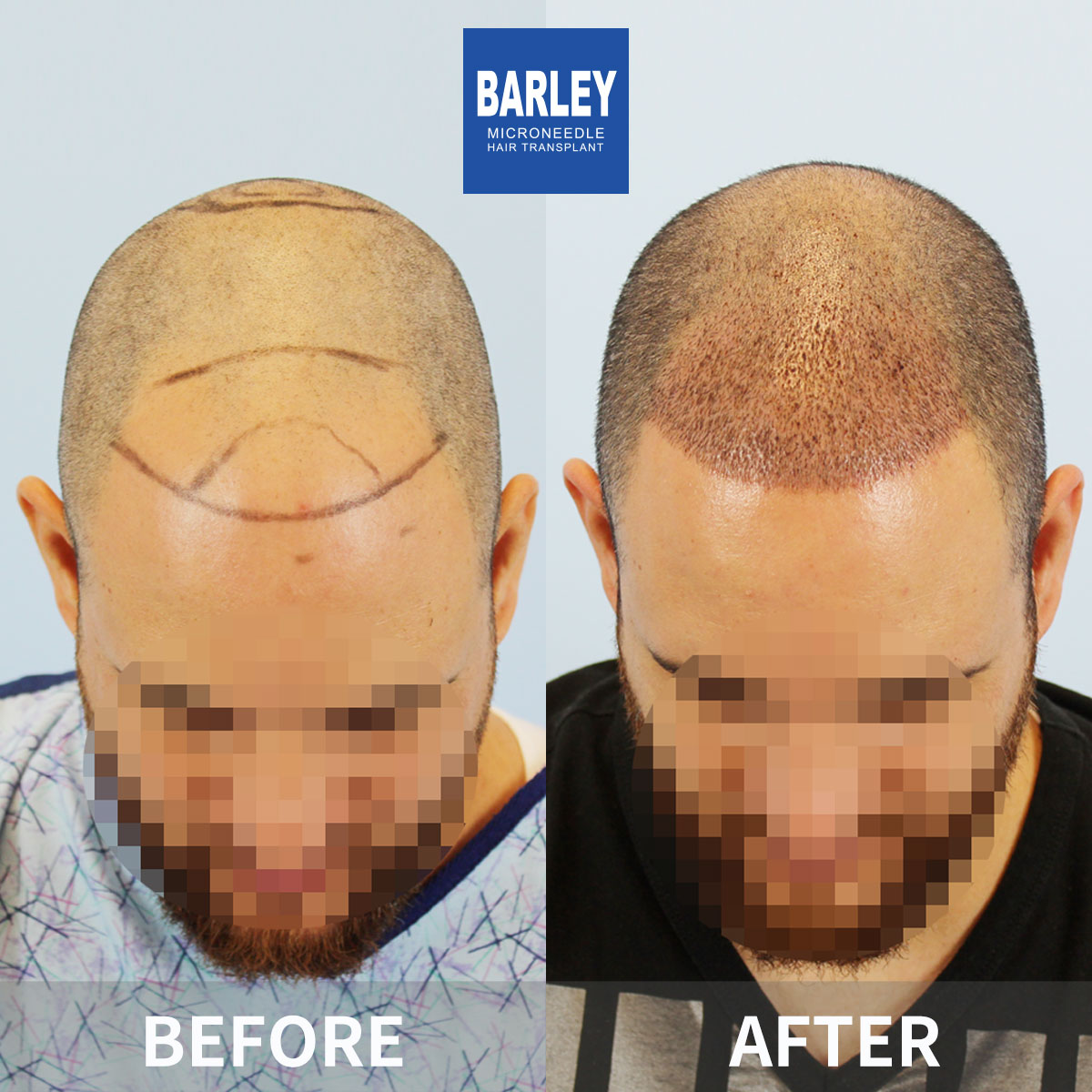
Our Satisfied Patients

Real patients, real confidence restored
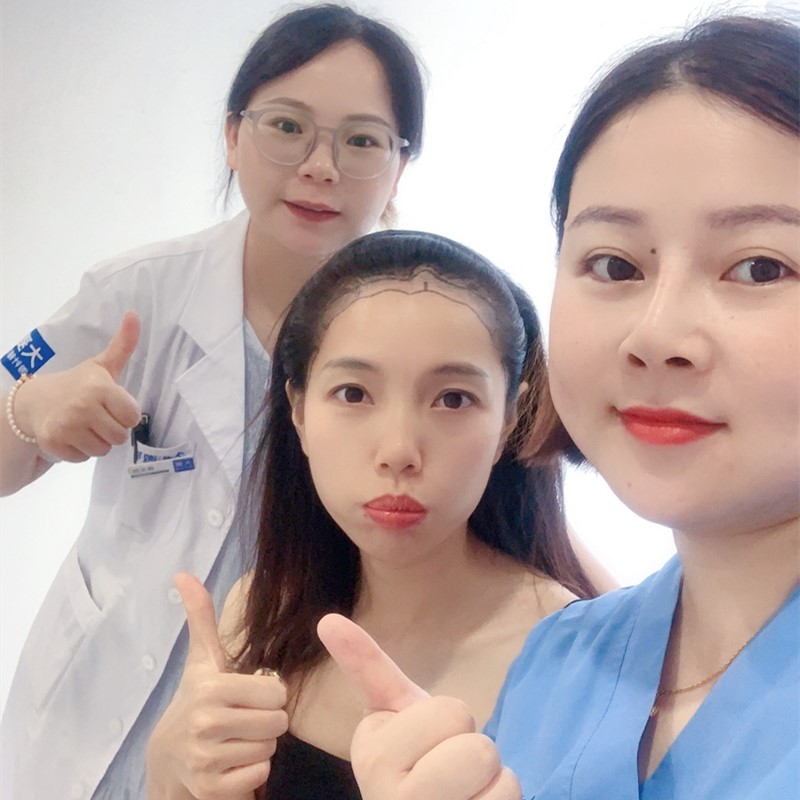
Satisfied scar transplant patient

Thrilled with Results

Patient proudly showing their natural-looking scar coverage outcome

Scar repair patient journey

Transformation Complete

Patient celebrating their remarkable new look
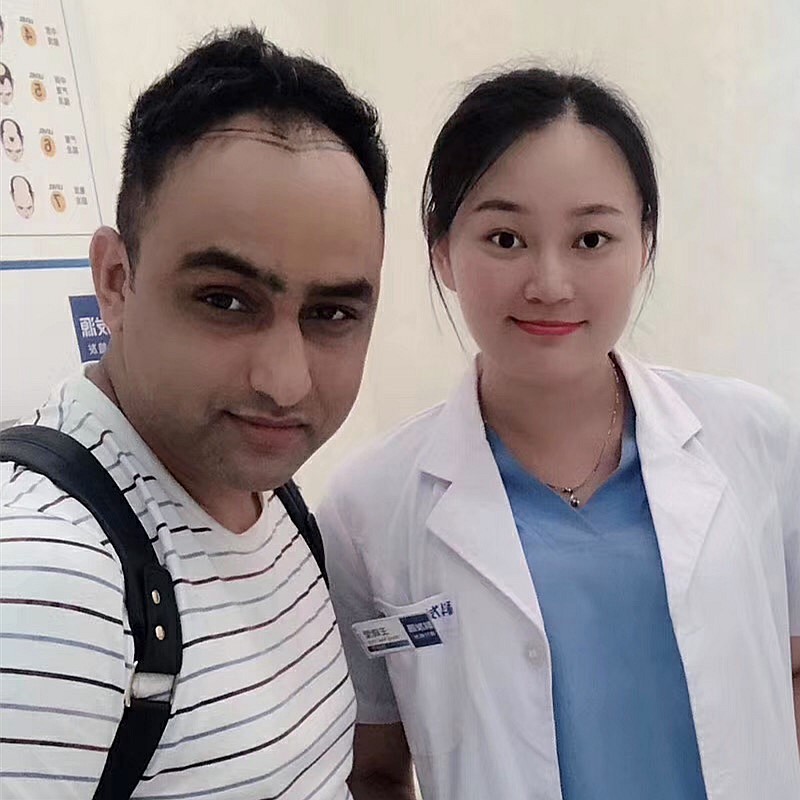
Happy scar treatment patient

Newfound Confidence

Patient showcasing their refreshed, natural hairline
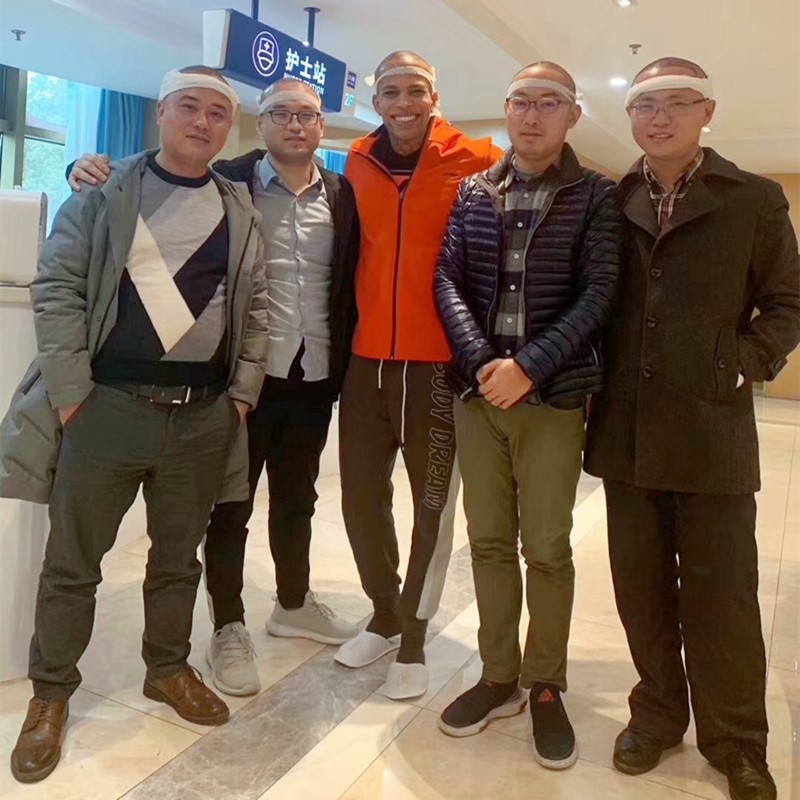
Scar transplant success

Dramatic Change

Patient revealing their impressive before-and-after transformation

International scar transplant patient

Trusted by International Patients

Overseas visitor delighted with their exceptional results
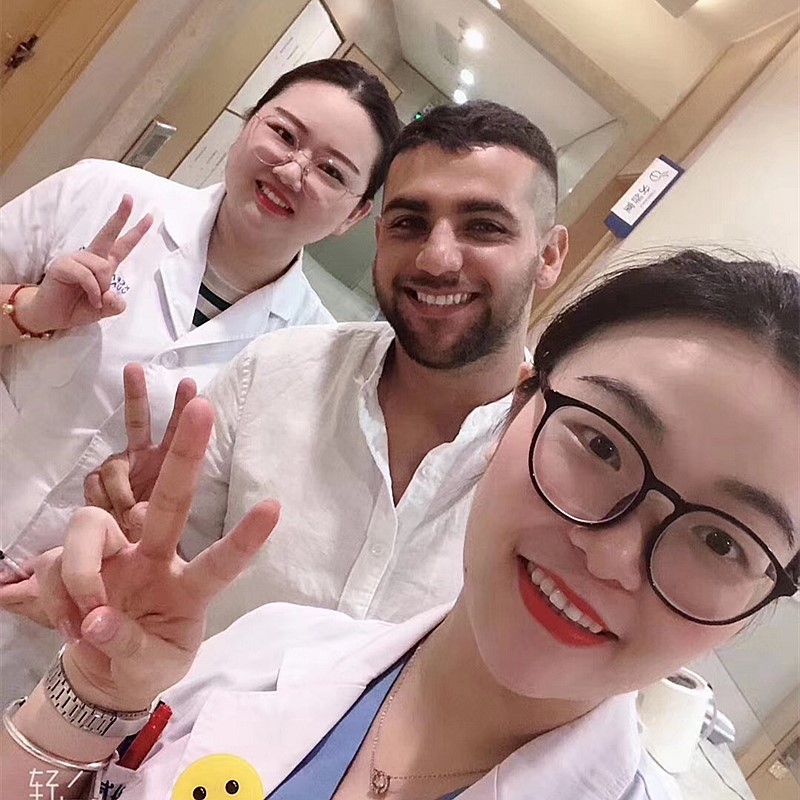
Scar patient testimonial

Outstanding Results

Patient thrilled with their beautiful new hair
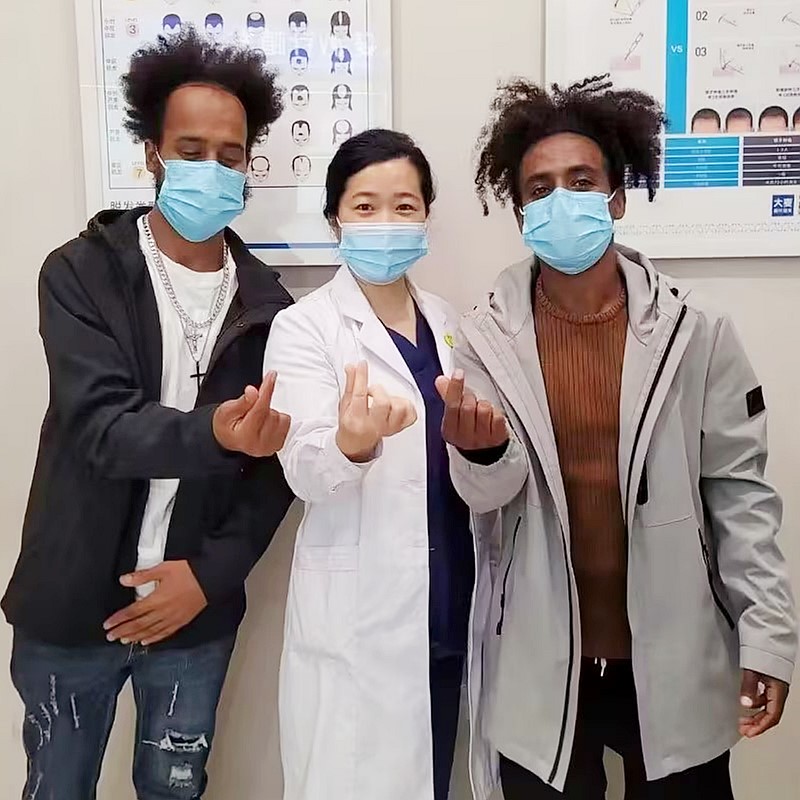
Scar patient story

Wonderful Experience

Satisfied patient with our dedicated medical team

Scar patient outcome

Impressive Transformation

Patient demonstrating their successful restoration

Our Clinic Environment

Modern, comfortable clinics designed to put you at ease from the moment you arrive

Modern clinic facility

State-of-the-Art Clinic

Equipped with the latest technology

Patient waiting area

Premium Lounge

Relax in our comfortable waiting area
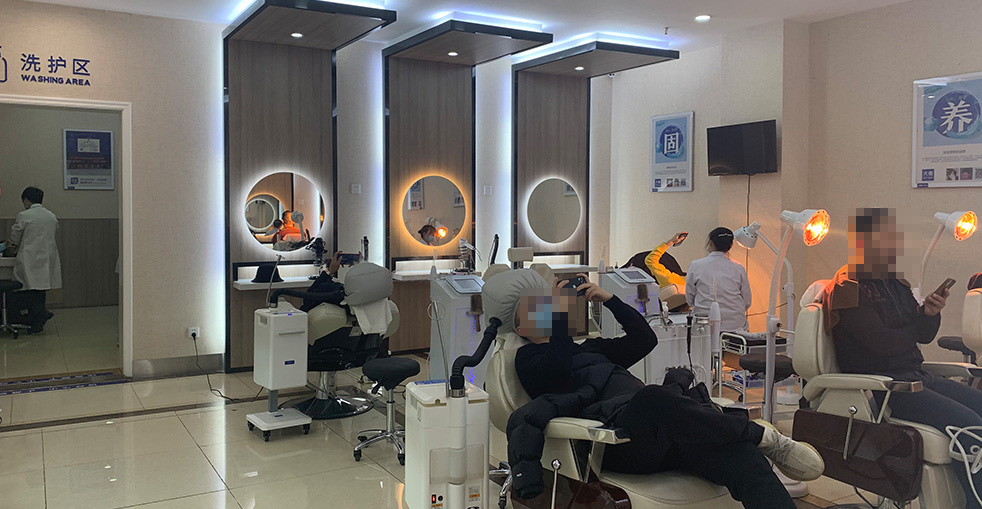
Operating room

Advanced Operating Suite

Certified sterile environment

Consultation room

Private Consultation Space

Confidential and professional discussions
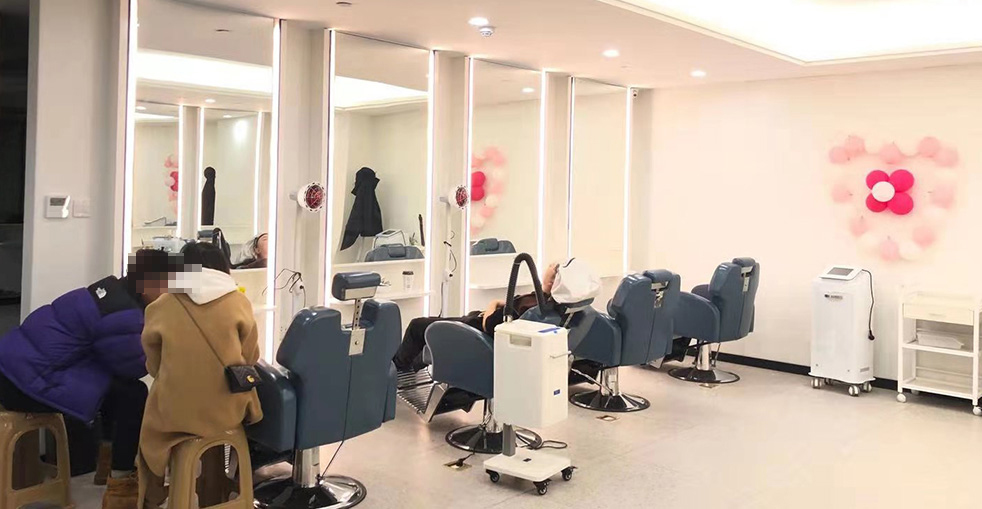
Recovery area

Comfortable Recovery Zone

Relaxing space for post-procedure rest
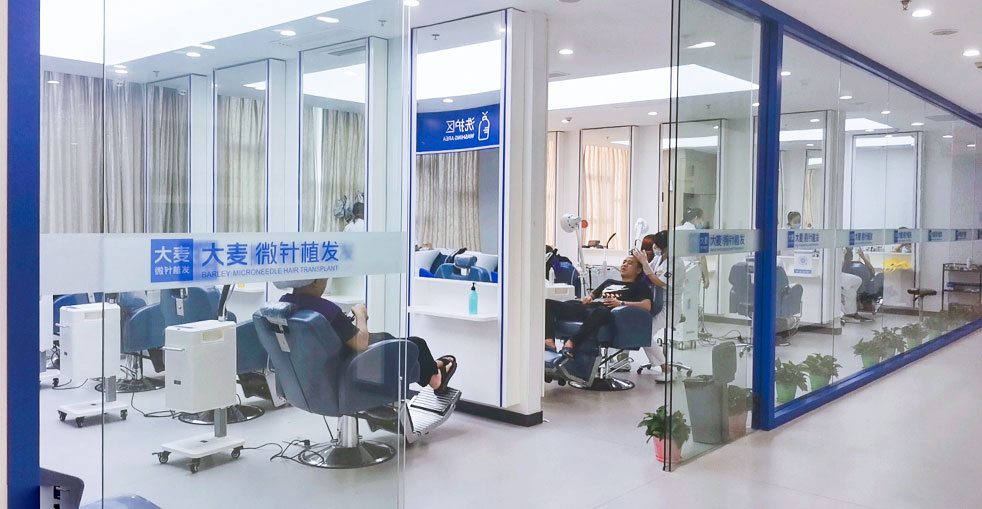
Reception area

Elegant Reception

Warm welcome from our team

Frequently Asked Questions

Honest answers to the questions patients ask most

What examinations are mandatory before a scar hair transplant?
Before surgery we require a complete scar assessment that includes a clinical palpation of scar thickness and mobility, a Doppler ultrasound or laser Doppler scan to map subcutaneous blood flow within and around the scar, a skin elasticity test, and in selected cases a small 1–2 mm punch biopsy to evaluate the fibrotic layer depth. For burn scars and keloid-prone patients we also require a dermatologist clearance letter and review of any prior scar revision history. Blood tests include routine coagulation screen and glucose check.
What graft survival rates should I expect for each scar type?
Survival varies by scar category. Mature FUT linear scars and clean surgical incisions generally reach 82–90% because the surrounding vascular plexus remains intact. Traumatic laceration scars fall to 75–83% due to deeper fibrotic bands. Third-degree burn scars, especially those that took skin grafts, average 62–75% on the first session and usually need touch-ups. Chronic folliculitis and abscess scars range from 70–80%, as do well-medicated keloids. Hypertrophic scars without medical pre-treatment sit around 60–68%.
If one session cannot cover the scar, how many rounds do I need and at what interval?
Most scar patients plan for 1–3 sessions. Small linear FUT scars under 10 cm are typically finished in one round. Medium traumatic scars 10–20 cm long usually need two sessions spaced a minimum of 8 months apart. Extensive burn alopecia and wide atrophic scars commonly require three sessions at 8–10 month gaps to build density gradually. The interval cannot be shorter because scar tissue neovascularization takes 6–7 months to complete after each transplant round.
Can placing grafts inside a scar trigger keloid or hypertrophic scar growth?
In keloid-prone patients there is a measurable risk, which is why we never operate on an active raised keloid. Our protocol first requires a course of intralesional triamcinolone (Kenalog) injections every 4–6 weeks until the scar becomes flat and soft for at least two consecutive months. We then perform a test graft of 40–60 follicles and observe the site for 10 weeks. Only if no hypertrophy appears do we proceed with the full transplant session and continue scar prophylaxis post-op.
Is it necessary to get scar-softening injections before surgery?
Scar-softening injections are mandatory for raised keloid and hypertrophic scars, recommended for firm fibrotic surgical scars older than 18 months, and optional for soft flat mature scars. A typical pre-treatment protocol is 3–5 sessions of intralesional corticosteroid combined with 5-fluorouracil at monthly intervals, followed by a 4-week washout before transplant. For patients who decline injections, we substitute serial microneedling with platelet-rich plasma — a slower but effective softening pathway.
After a burn injury, how long must I wait before scar hair transplantation?
For superficial second-degree burns we require a minimum of 12 months from the date of re-epithelialization and complete cessation of blistering. Deep second-degree and full-thickness third-degree burns need 18–24 months of scar maturation, often preceded by scar release surgery, laser fractional resurfacing, or split-thickness skin graft revision performed by a plastic surgeon. We also insist on a negative wound culture and confirmation that no contracture release surgery is planned within the next 12 months.
Can I use body hair as donor grafts for a scar transplant case?
Yes — when the scalp safe donor zone is depleted, or when a very large scar requires more grafts than the scalp alone can provide, we routinely combine scalp donor with beard donor and, if needed, chest hair donor. Beard hair is particularly useful because of its thicker caliber and robust donor supply; it blends perfectly for crown and vertex scars. Chest and axillary hair are reserved for second and third touch-up sessions only. Each donor type keeps its original growth cycle after transplantation.
How do I prevent folliculitis outbreaks inside the transplanted scar?
Scar tissue lacks normal sebaceous glands and lymphatic drainage, so folliculitis is more common than on healthy scalp. Our prevention protocol starts day 1 post-op with daily chlorhexidine 0.12% rinses for 14 days, followed by twice-weekly ketoconazole shampoo for three months. We instruct patients never to pick ingrown hairs and to use a warm saline compress instead. For recurring outbreaks we prescribe a 4-week course of topical clindamycin combined with oral doxycycline, followed by maintenance benzoyl peroxide 5% wash.

Patient Testimonials

Real stories from patients who successfully covered their scars

"I had a 12cm linear FUT scar from a strip surgery I got back in 2018 in Istanbul — you could see it clearly even with my hair grown out. Barley's surgeon did a scar assessment first, checked blood supply with a Doppler, then did 650 grafts directly into the scar line. I was told survival would be lower than normal skin, but honestly at month 10 it's fully covered. I now wear my hair short and no one asks about the scar anymore."

EW

Ethan Whitaker

United States

"Burn scar from a childhood kitchen accident left a 5cm shiny bald patch on my right temple. For 22 years I combed my hair forward to hide it. The team told me burn scars need extra prep — I had three sessions of laser needling beforehand to build up blood vessels, then a transplant of 520 grafts. The first round gave about 60% coverage so I went back eight months later for a touch-up session. Now I can spike my hair up and nothing shows."

AP

Aarav Patel

India

"I had a cyst removed from my scalp and the surgeon closed it badly — the resulting keloid scar was raised and completely bald. I was worried that transplanting into a keloid would make it grow worse. Barley recommended a Kenalog scar injection series first to flatten and soften it, then waited six months. At month 9 the grafts are growing through nicely and the scar lies flat. My barber hasn't even commented on it."

CF

Camille Fontaine

France

"Facial trauma from a cycling accident left a horizontal scar through my left eyebrow. I tried micropigmentation first but the color went blue-gray after a year. The Barley team harvested finer hairs from behind my ear — exactly the right calibre for eyebrows — and placed 210 grafts along the scar line. They even combined it with microdermabrasion on the scar itself to smooth the texture. My eyebrow is now fuller than my natural right one; I just trim it to match."

LO

Lukas Ozdemir

Austria

"I had recurring folliculitis on my crown that turned into a smooth, shiny atrophic scar roughly the size of my palm. The dermatologist said folliculitis scars usually have poor circulation so I was worried nothing would grow. Barley staged it: first a course of platelet-rich plasma injections over three months, then 900 grafts, then a microneedling series after month four. Survival rate wasn't 98% like normal skin — probably around 80% — but it's dense enough that you can't see the scar. Completely worth doing two sessions."

RG

Rodrigo Garcia

Brazil

Contact Us

Click to copy contact information

WeChat

15810155700

WhatsApp

+86 13730143529

WeChat QR Code

Get Free Consultation

About Barley

Established by a team of doctors with 31 branches in China's major cities, Barley Microneedle Hair Transplant Hospital has always been pursuing the best technology, better quality and more safety to help you with all kinds of hair loss problems.

You Might Also Want to Know

Everyone's hair loss journey and solution are unique due to a variety of factors. Our hair restoration experts will assist you in determining the root cause and the best solution for your hair restoration plan. If you have any questions, please ask; we are happy to assist.
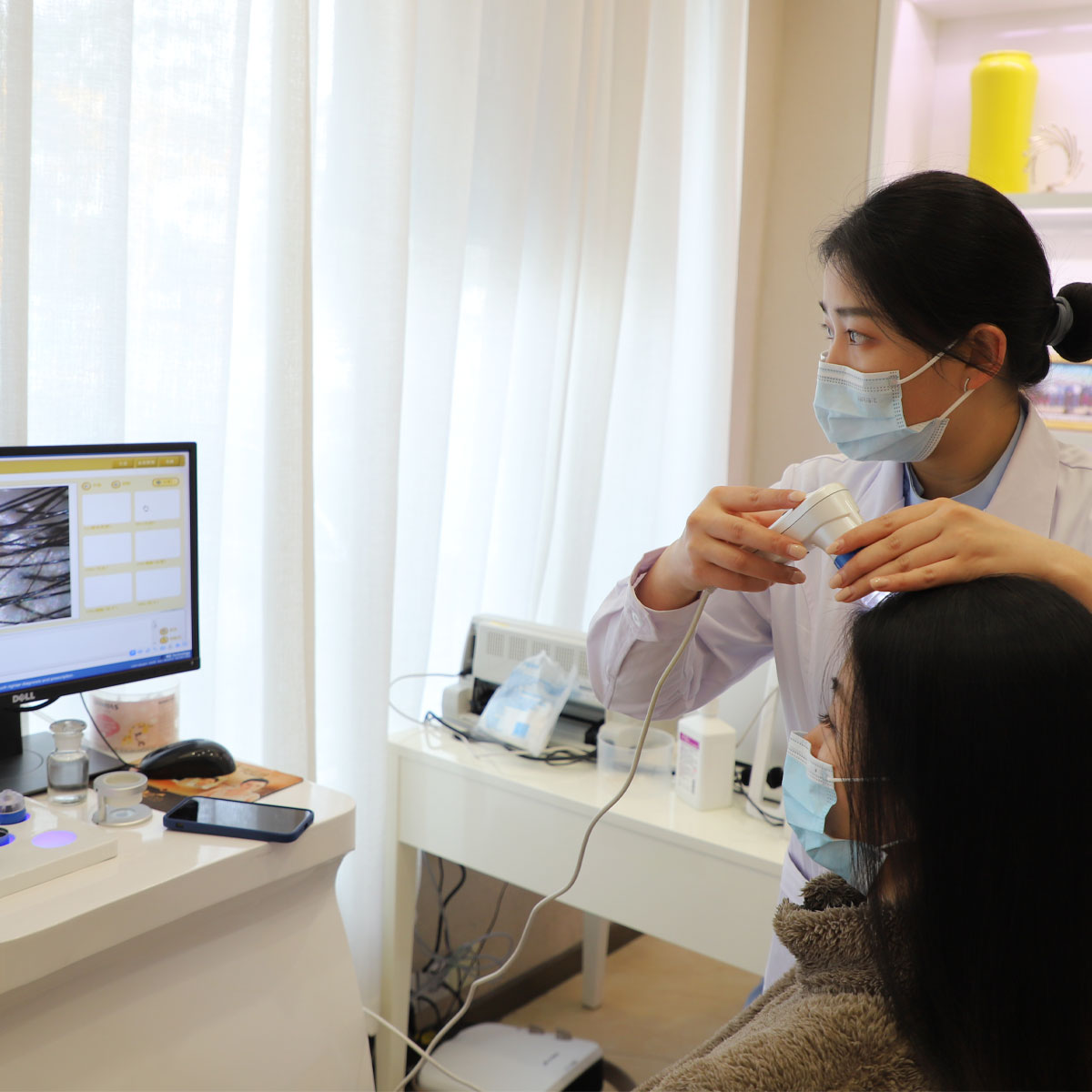

Hair Transplant Consultation