Female Hair Loss Guide - Professional Hair Transplant Service

Women Deserve Answers Too

A comprehensive guide to understanding female hair loss — causes, stages, and proven treatment paths that actually work

Get Your Free Quote
Female Hair Loss Guide - Expert Hair Restoration

Diffuse Thinning Is Not Your Fault

Learn about the Ludwig scale, postpartum changes, hormonal triggers, and the treatment options that actually work

Get Your Free Quote
Female Hair Loss Guide - Natural Hair Results

Restore Your Confidence

From topical treatments to advanced hair transplantation — discover solutions tailored specifically for women's unique needs

Get Your Free Quote
Educational Guide

Female Hair Loss Guide

Understand your hair loss and find the right solution
Female Hair Loss Guide

You're Not Alone

Hair loss affects about 40% of women by age 50 and up to 50% by age 70. Female hair loss presents differently than in men, often as diffuse thinning rather than bald patches. The good news is that with early identification and proper treatment, women can effectively manage hair loss and maintain beautiful, healthy hair. This guide will help you understand your specific situation and find solutions that work.

  • Understand female-pattern loss
  • Identify your specific causes
  • Learn treatment options
  • Know when to take action
  • Find your best solution

Ludwig Scale for Women

Classify your hair loss severity and take the first step toward recovery

I

Mild Thinning

Early stage hair loss with minimal visible impact

  • Minimal widening of the part
  • Early thinning on top of scalp
  • Can be camouflaged with styling
  • Perfect time for prevention
Medications most effective
II

Moderate Thinning

Noticeable hair loss requiring intervention

  • Obvious widening of the part
  • Visible scalp through hair
  • Hair feels noticeably thinner
  • Combination treatment recommended
Transplantation is an option
III

Advanced Thinning

Extensive hair loss requiring comprehensive management
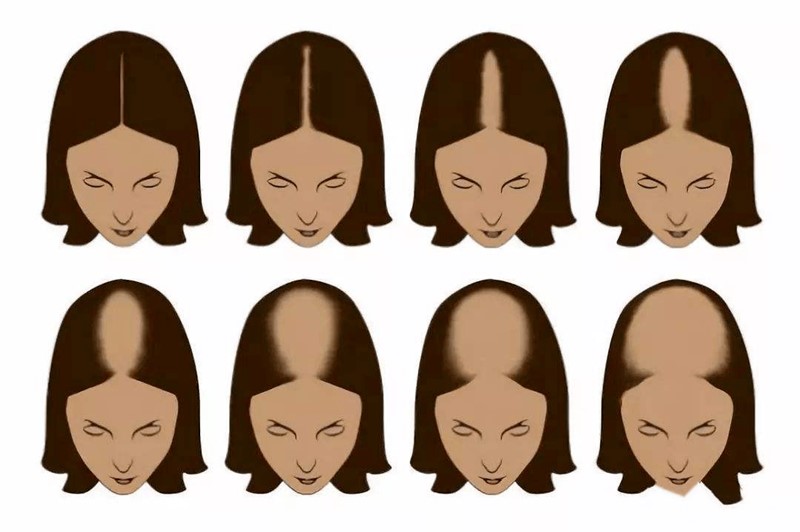
  • Extensive diffuse thinning
  • Large areas of scalp visible
  • Limited donor for transplant
  • Medical treatment is primary
Management is the goal
Ludwig Scale - Female Hair Loss Classification

Types of Female Hair Loss

Identify what type of hair loss you're experiencing

Androgenetic Alopecia

  • Also known as Female Pattern Baldness
  • Most common type (50% of cases)
  • Diffuse thinning over top of scalp
  • Widening central part
  • Maintains frontal hairline

Postpartum Hair Loss

  • Occurs 2-4 months after childbirth
  • Significant shedding (100-300 hairs/day)
  • Hormonal changes (estrogen drop)
  • Usually temporary (6-12 months)
  • Frightening but typically resolves

Telogen Effluvium

  • Sudden diffuse shedding
  • Often stress-related
  • Illness, surgery, crash diet causes
  • Usually reversible
  • Needs time to resolve

Common Causes in Women

Understanding the root causes is the first step to effective treatment

Genetics & Heredity

Female pattern hair loss runs in families and is the most common cause

  • Family history from either parent
  • Female pattern predisposition
  • Hair follicle sensitivity to DHT
  • Slow, progressive thinning over time
  • Typically starts after menopause

Hormonal Changes

Hormonal fluctuations significantly impact hair growth cycles

  • Pregnancy & postpartum shedding
  • Menopause (estrogen drop)
  • Birth control pill changes
  • Thyroid imbalances (hypo/hyper)
  • PCOS (Polycystic Ovary Syndrome)

Nutritional Deficiencies

Diet plays a crucial role in hair health and growth

  • Iron deficiency (very common in women)
  • Vitamin D & B12 deficiencies
  • Protein malnutrition
  • Crash dieting & rapid weight loss
  • Zinc and biotin insufficiency

Stress & Lifestyle

Physical and emotional stress trigger hair shedding

  • Chronic work or emotional stress
  • Poor sleep quality
  • Excessive styling & chemical treatments
  • Tight hairstyles (traction alopecia)
  • Smoking and alcohol consumption

Medical Conditions

Certain health issues directly affect hair growth

  • Autoimmune diseases (alopecia areata)
  • Scalp infections (fungal)
  • Chronic illnesses
  • Medications (blood thinners, retinoids)
  • Rapid weight loss surgery recovery

Aging

Hair naturally thins as we age due to follicle miniaturization

  • Gradual follicle miniaturization
  • Reduced hair growth cycle
  • Thinner hair shaft diameter
  • Slower regrowth after shedding
  • Combined with menopausal changes

What You Can Do About It

Practical solutions for every stage

Medical & Nutritional

  • Start with Minoxidil 2%
  • Correct any nutrient deficiencies
  • Take biotin & iron supplements
  • Improve protein intake
  • PRP therapy option

Hair Care & Styling

  • Use gentle shampoos
  • Avoid tight hairstyles
  • Limit heat & chemical treatments
  • Consider hair toppers if needed
  • Scalp massages for blood flow

Surgical Options

  • Hair transplantation for stage II-III
  • FUE technique for women
  • Strategic placement for natural look
  • Restore hairline or part density
  • Combined with medical therapy

Your Action Steps

Take these steps to address your hair loss

1

Identify Your Type

Determine your hair loss using Ludwig scale

2

Get Blood Work

Check for nutrient deficiencies & hormones

3

Start Minoxidil

Begin with 2% topical application

4

Optimize Nutrition

Correct any identified deficiencies

5

Consider Transplant

Explore surgical options if needed

6

Monitor Progress

Track results and maintain health

Barley Hair Transplant Hospital Female Hair Loss Program Advantages

Why our women's hair loss program delivers natural, beautiful results

Female-Specific Assessment

Unlike many clinics, we understand female hair loss is different. Our assessment includes thorough medical workup, hormone evaluation, and understanding your unique goals and concerns.

Natural-Looking Results Focus

Women's goals often differ — maintaining femininity, a natural hairline, and subtle density. Our physicians specialize in creating soft, natural hairlines and artistic placement for beautiful, undetectable results.

Compassionate, Personalized Care

We understand female hair loss can be emotionally challenging. Our English-speaking female staff provides supportive, empathetic care throughout your journey, from consultation to post-procedure follow-up.

Why Choose Barley Hair Transplant Hospital

Industry leader with proven results

18+ Years Experience

Pioneer and leader in microneedle hair transplant technology since 2006

30+ Direct-operated clinics

Across major cities in China, all with the same high standards

10+ Patented Technologies

Innovative microneedle and implant pen technology for superior results

100K+ Successful Procedures

Trusted by patients from around the globe for remarkable results

English-speaking staff

Full English support for international patients throughout treatment

Safety First

State-of-the-art facilities and strict safety protocols for your peace of mind

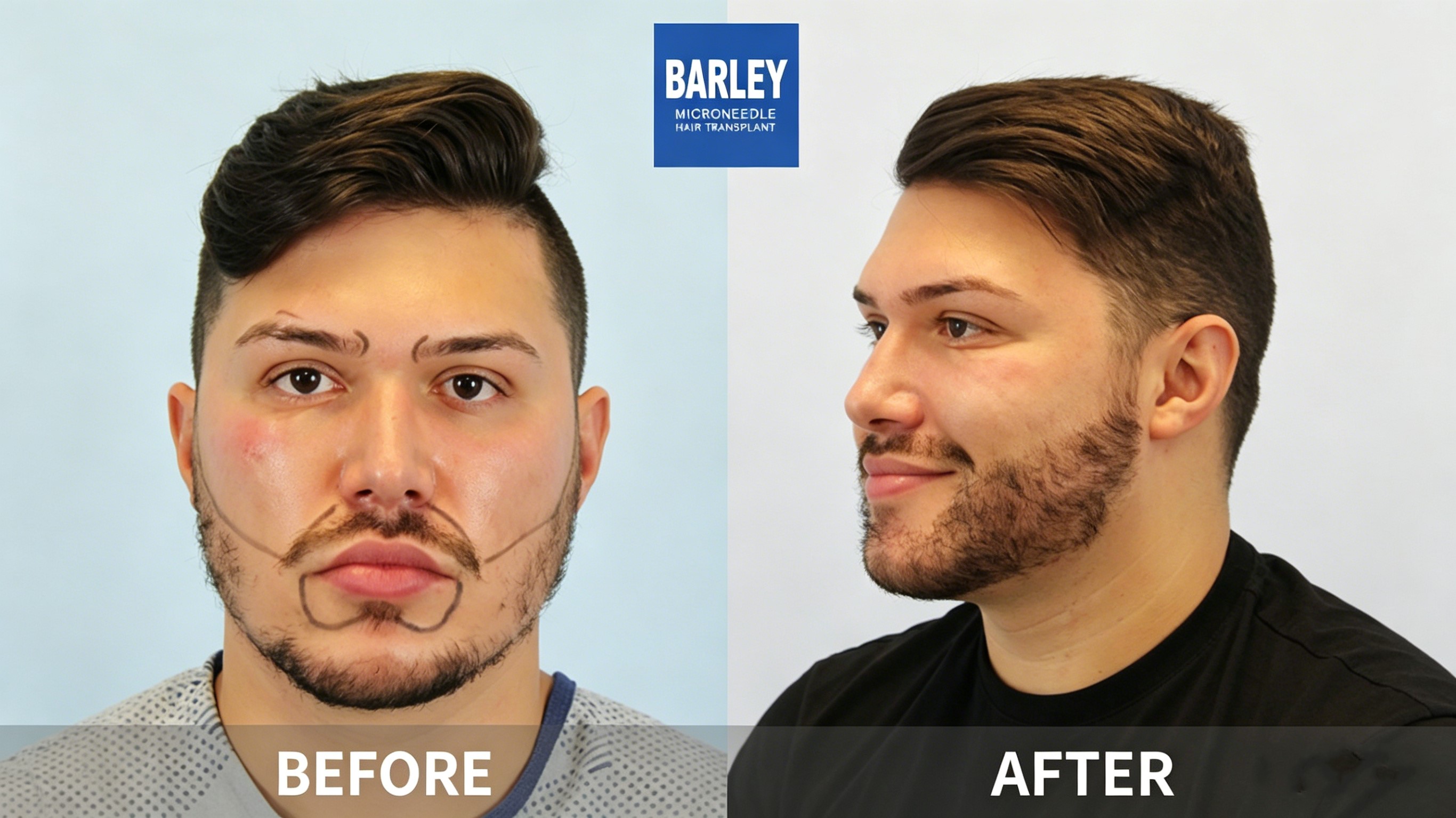
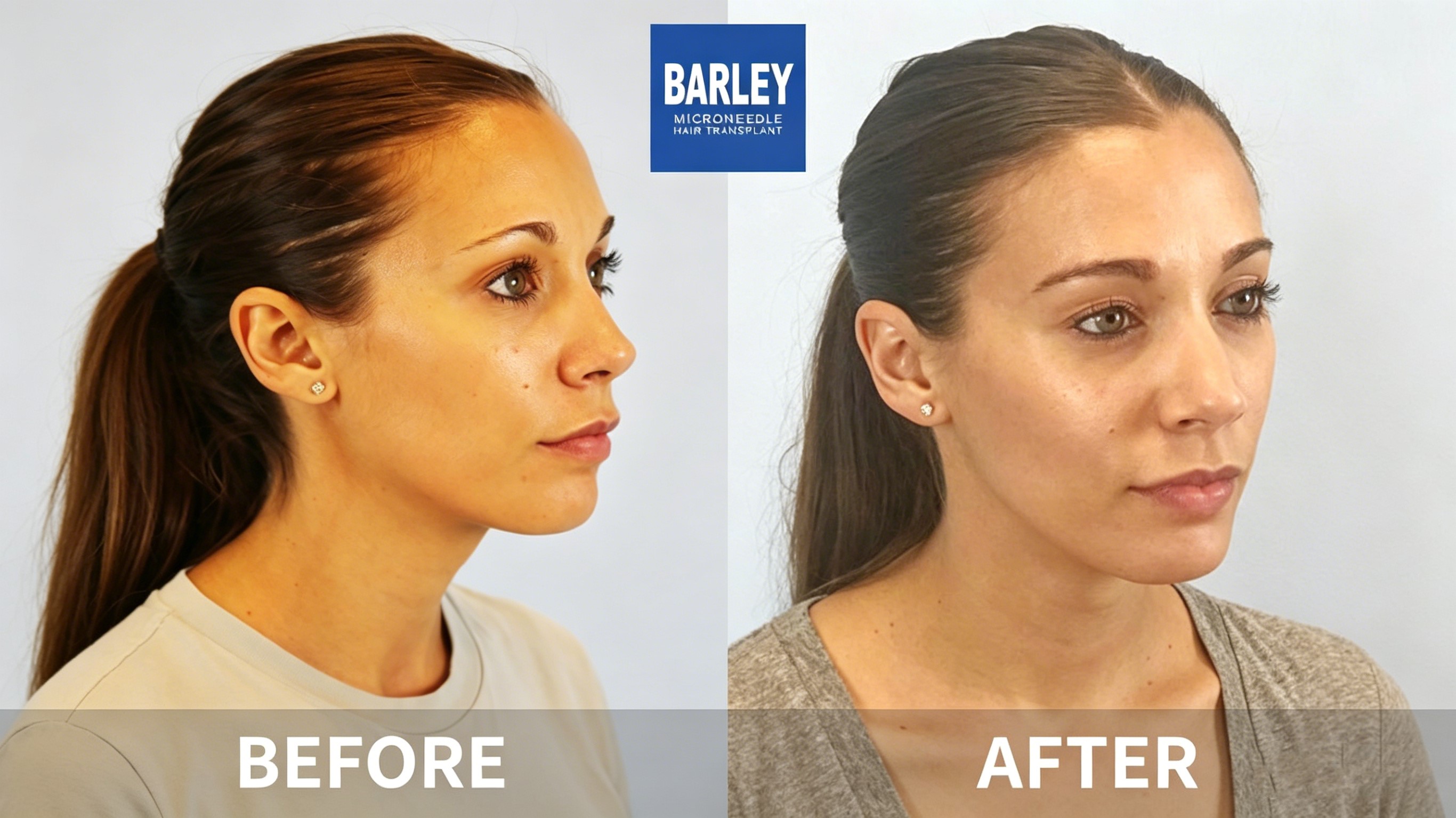
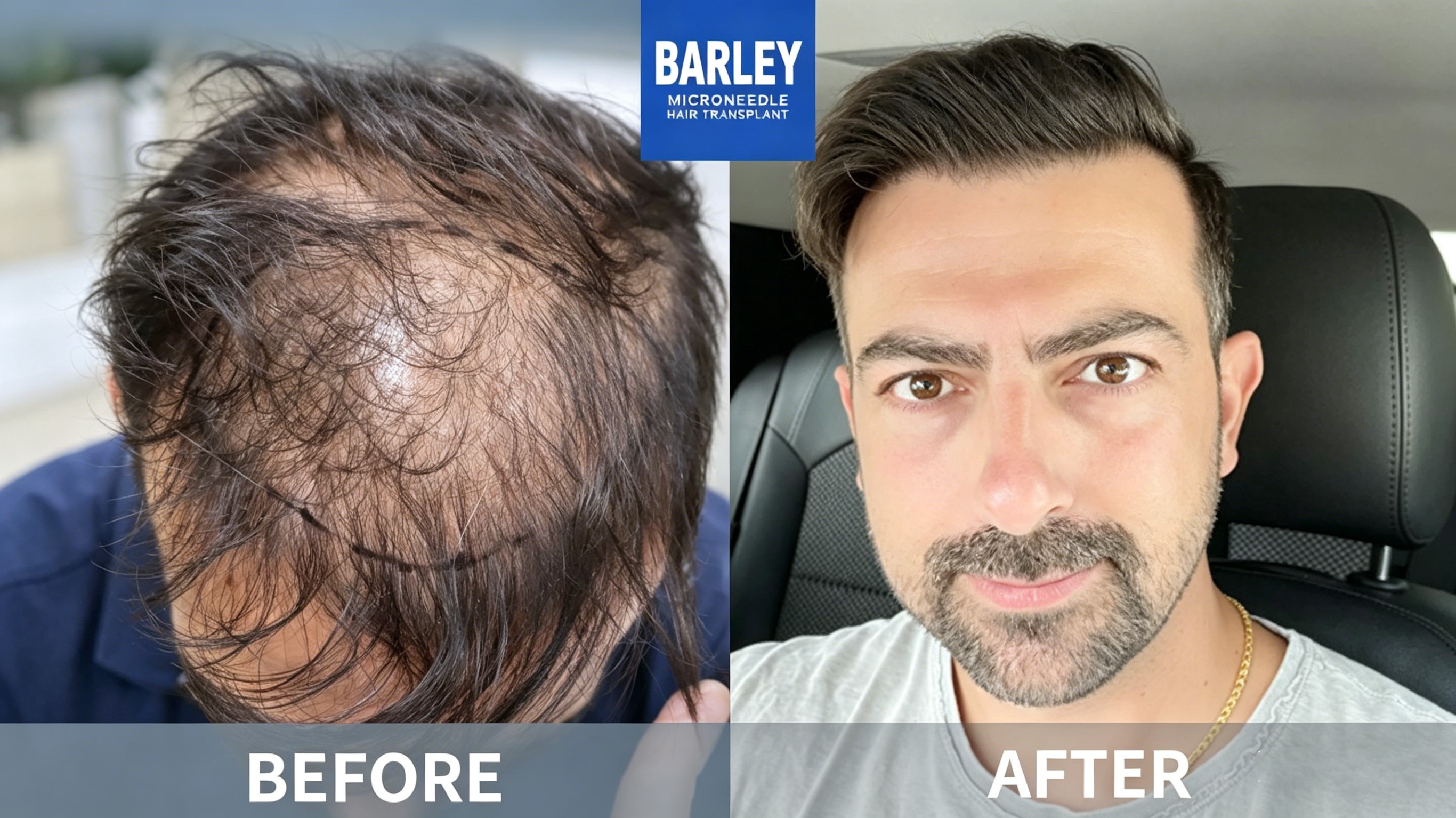
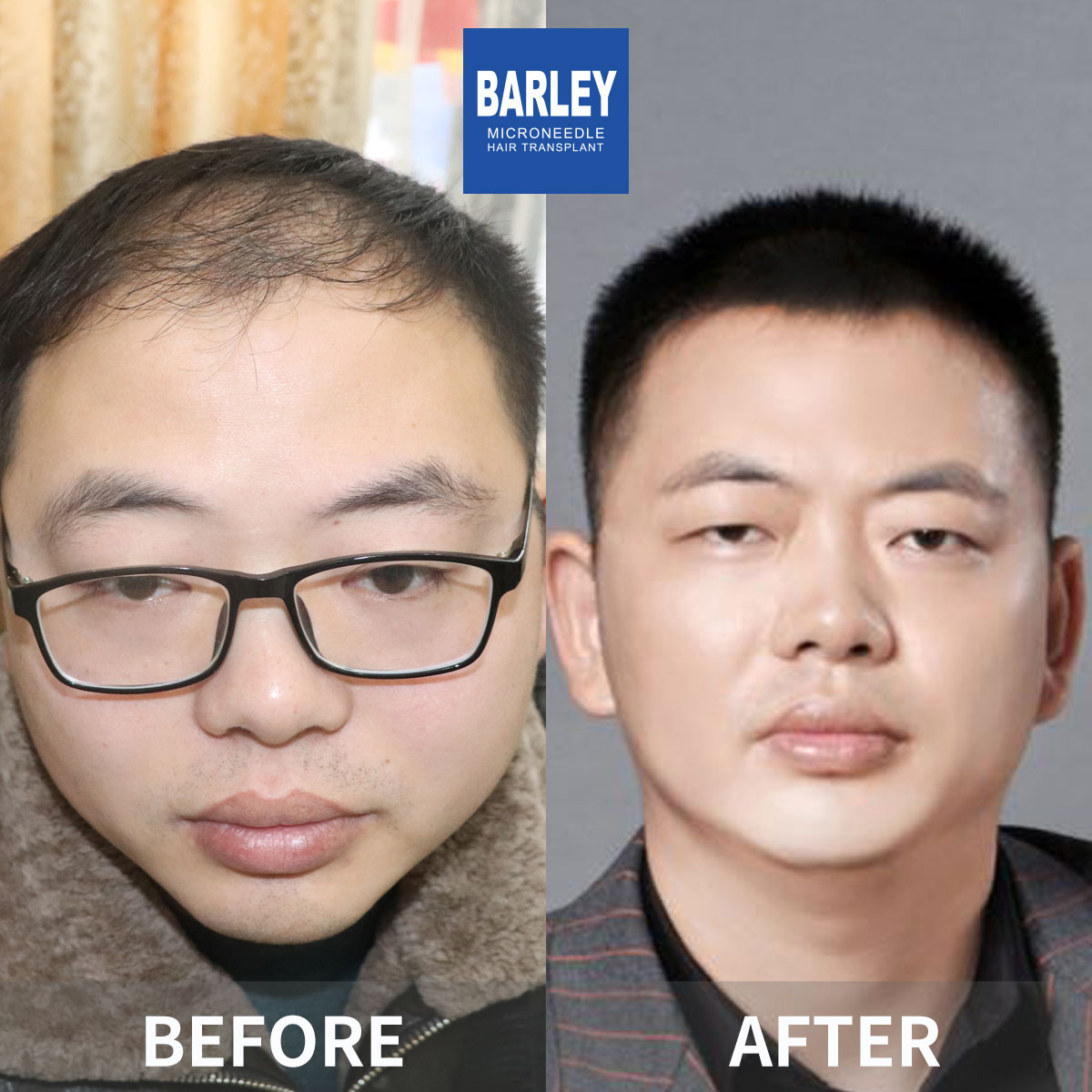
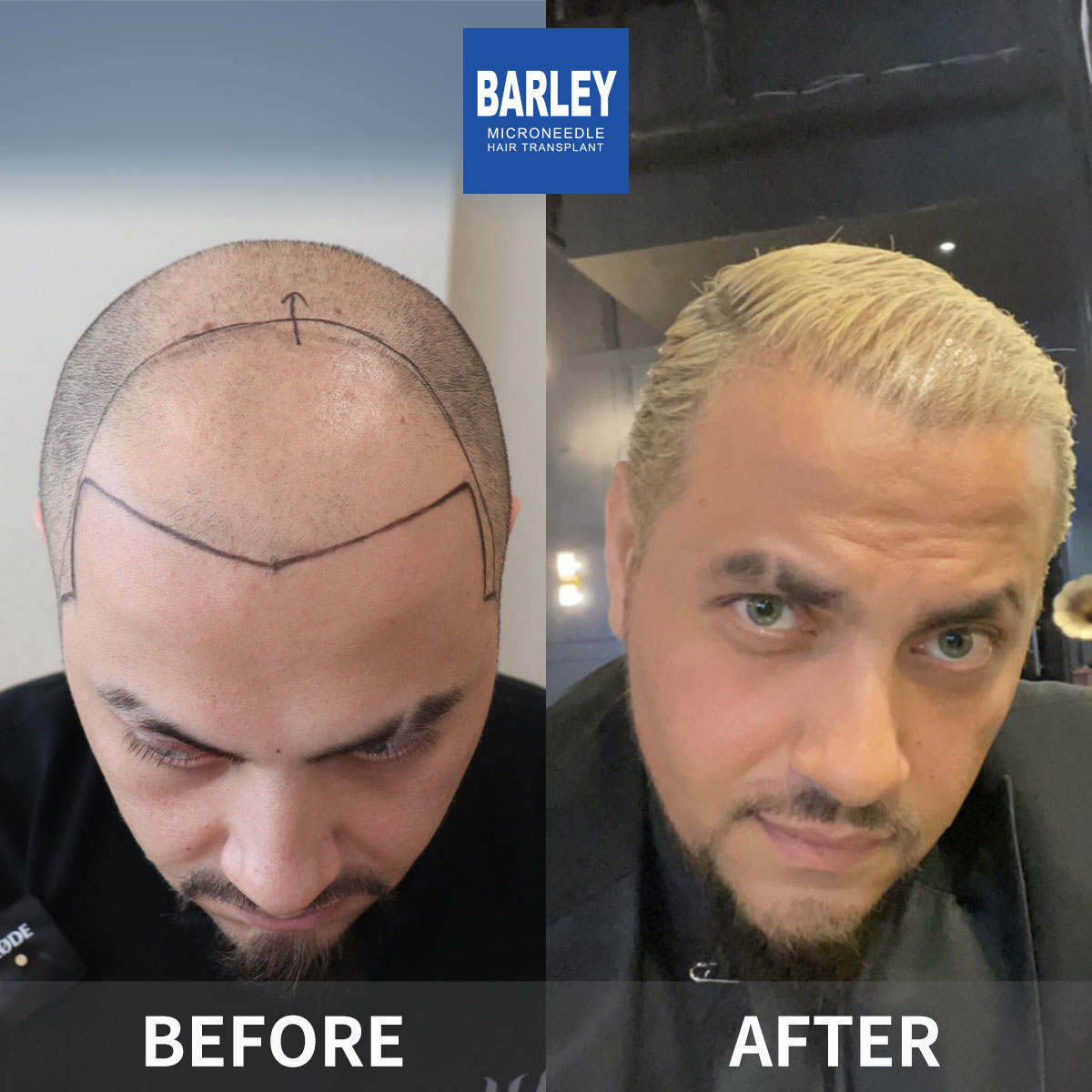
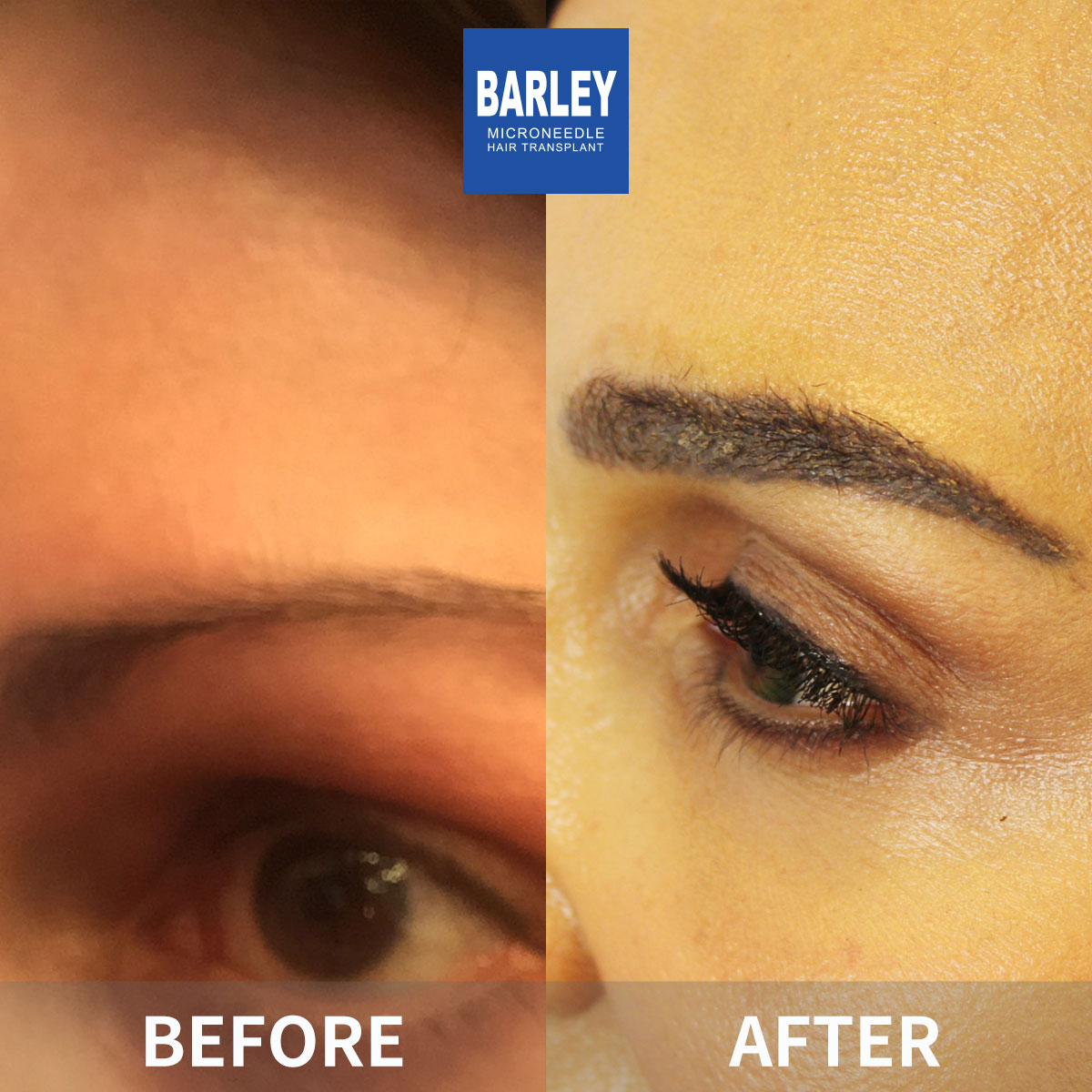
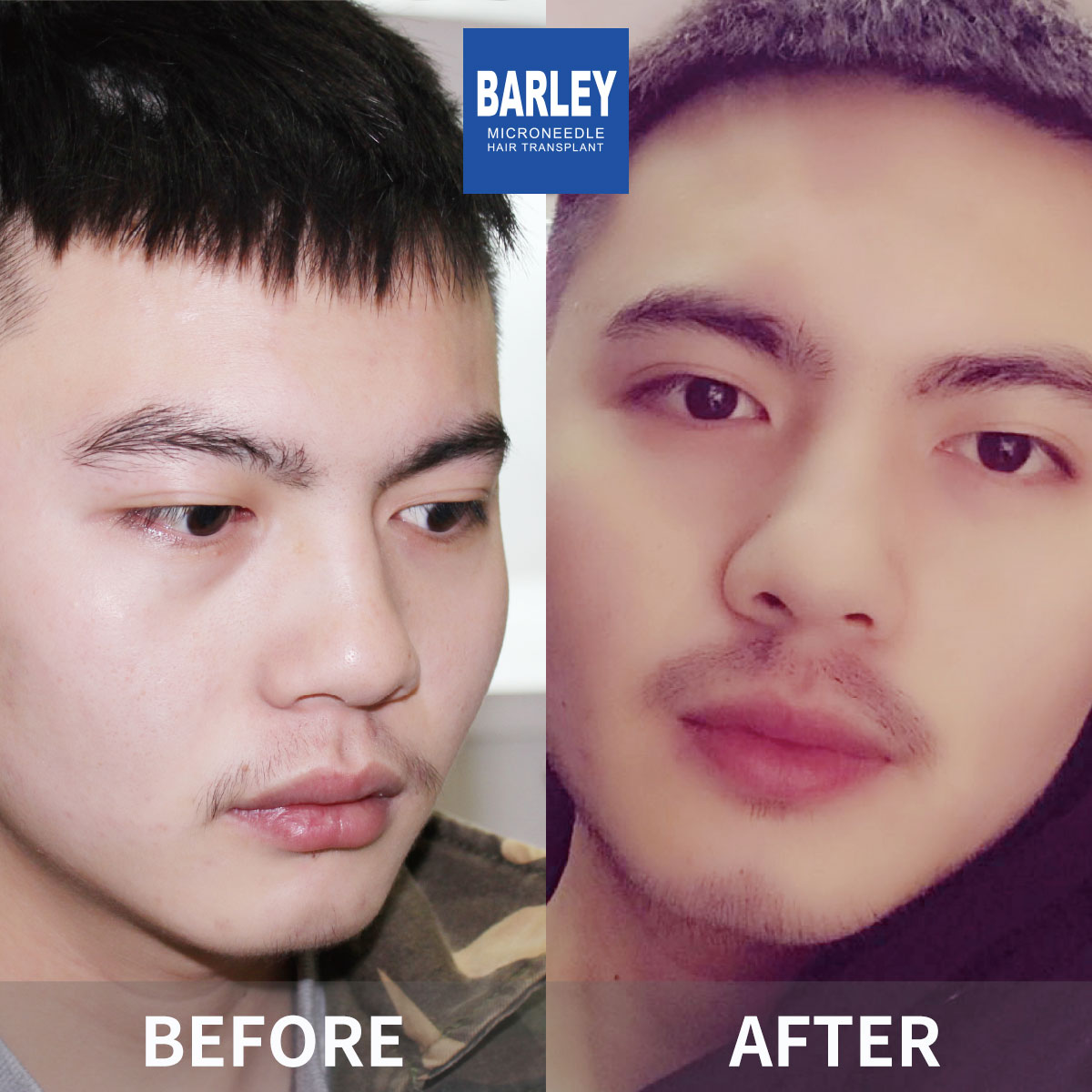
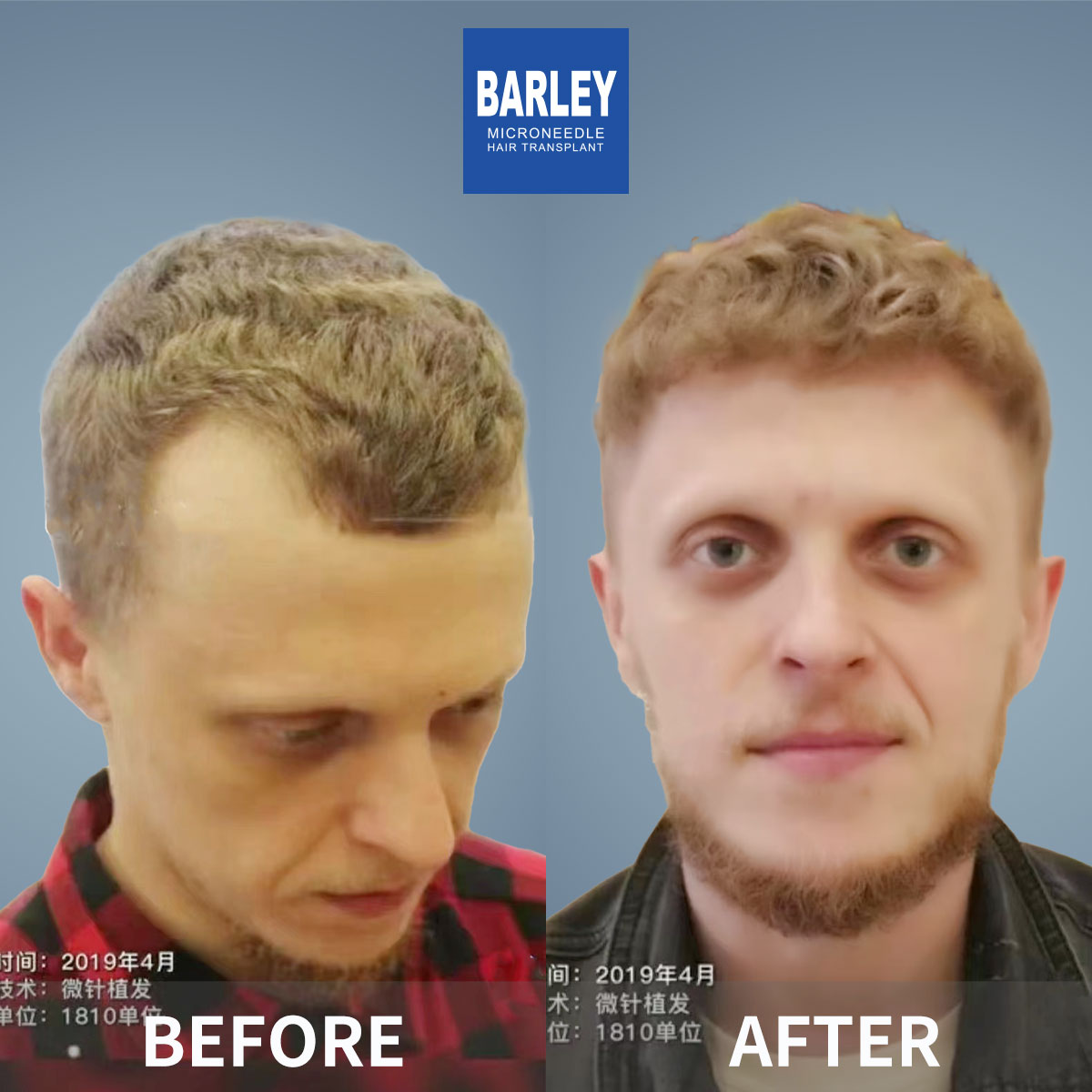
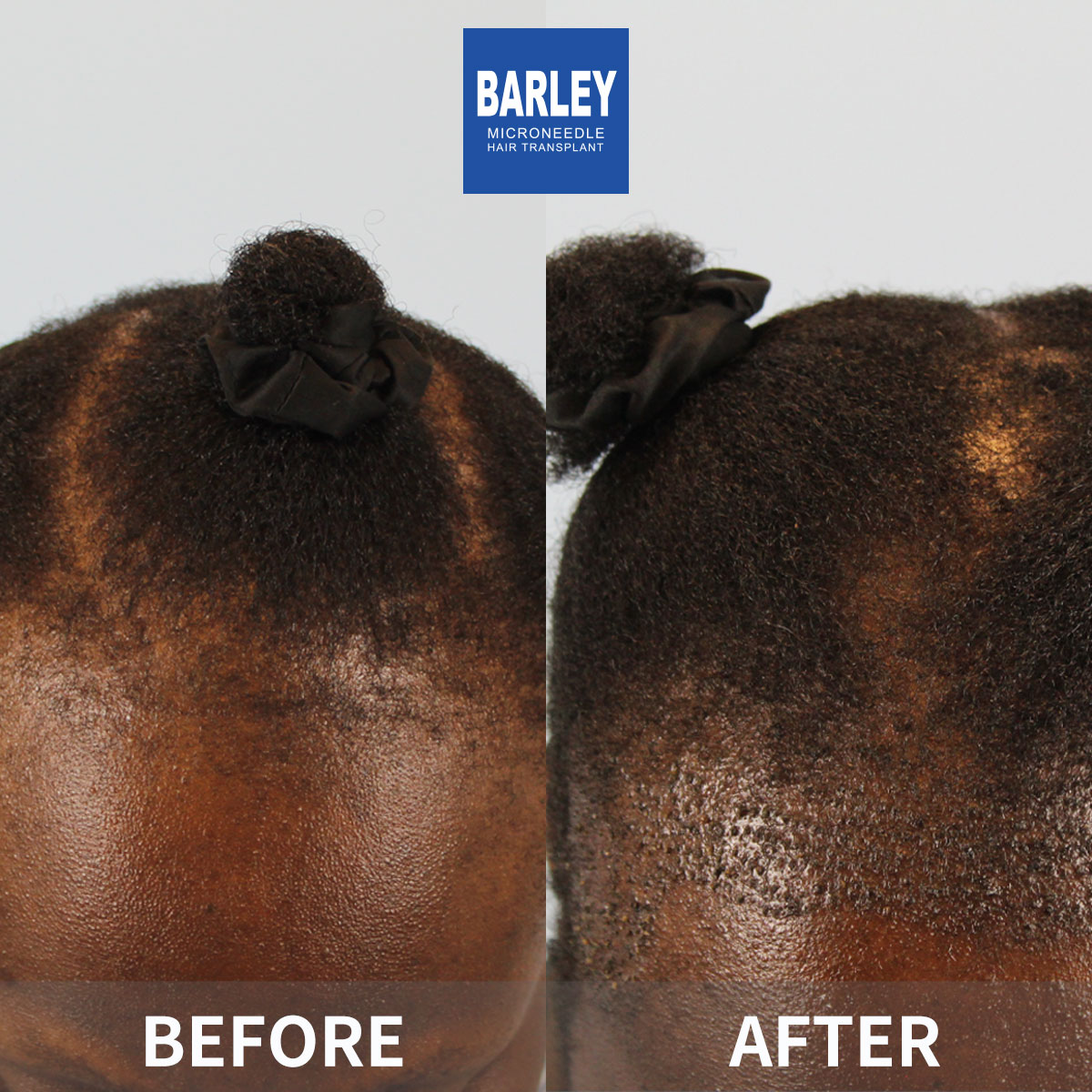
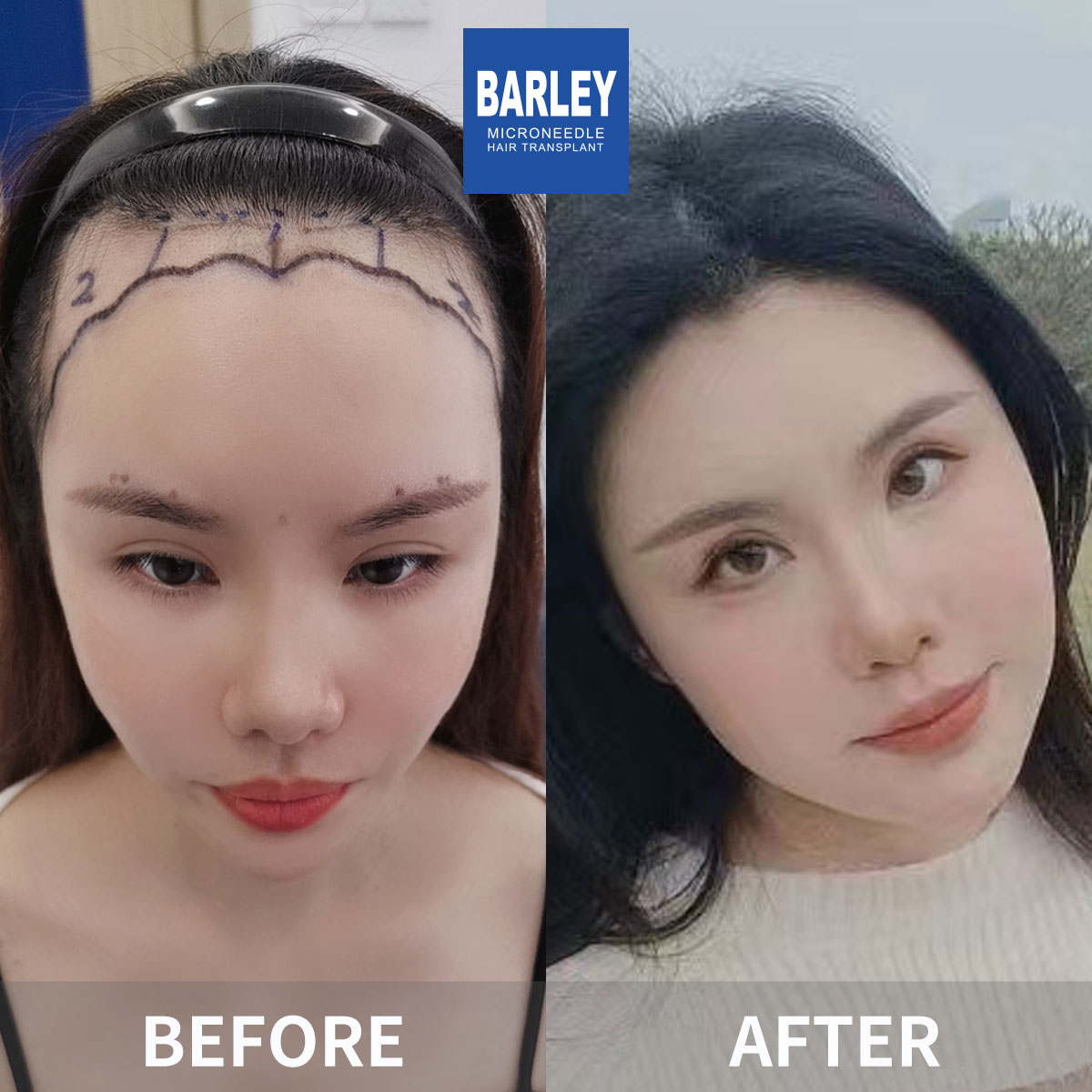
Real Results

See the amazing transformations our patients have achieved
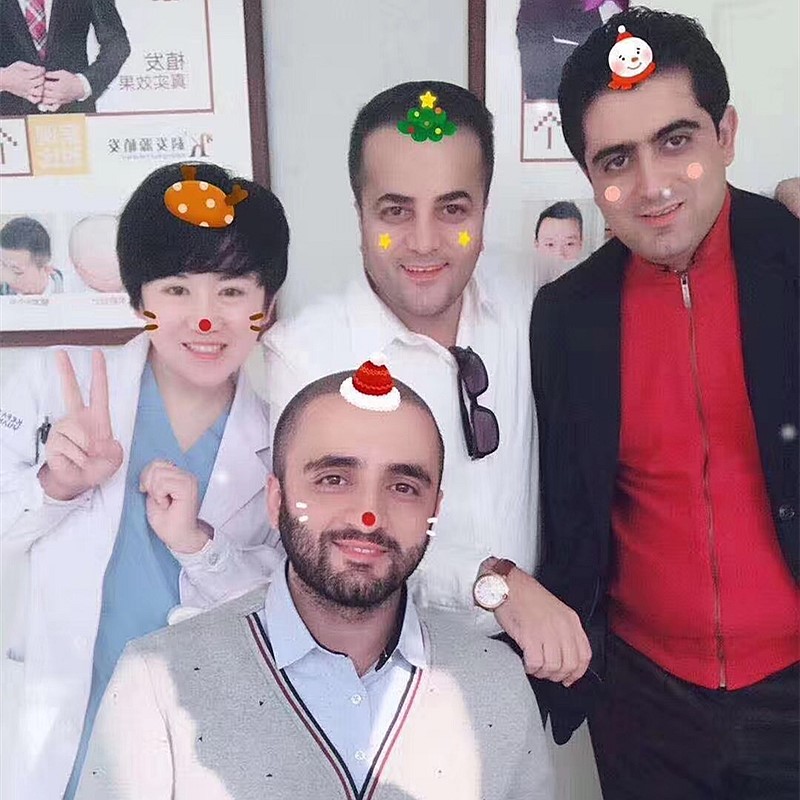
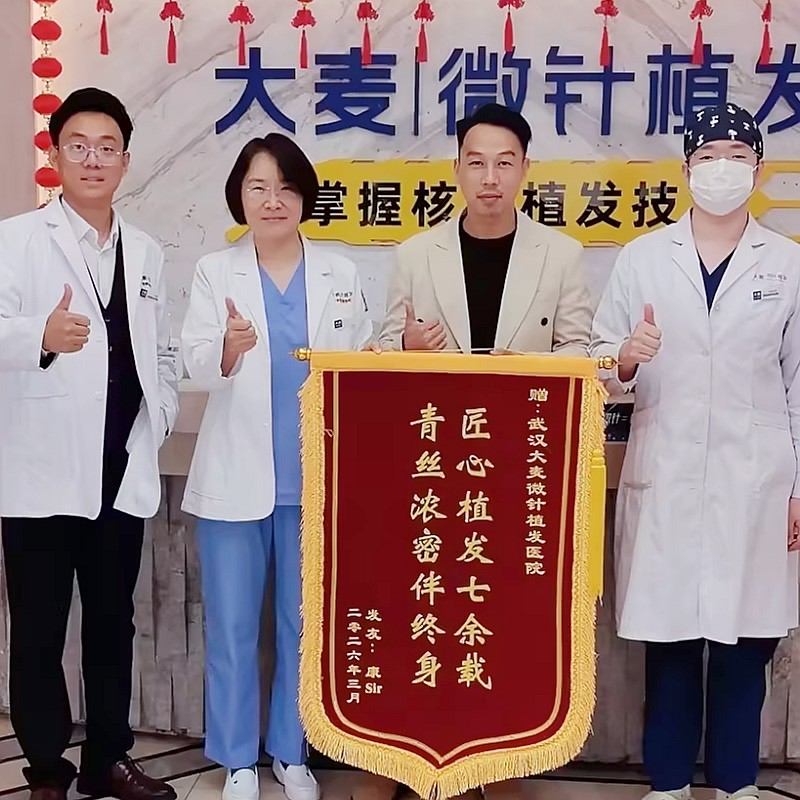
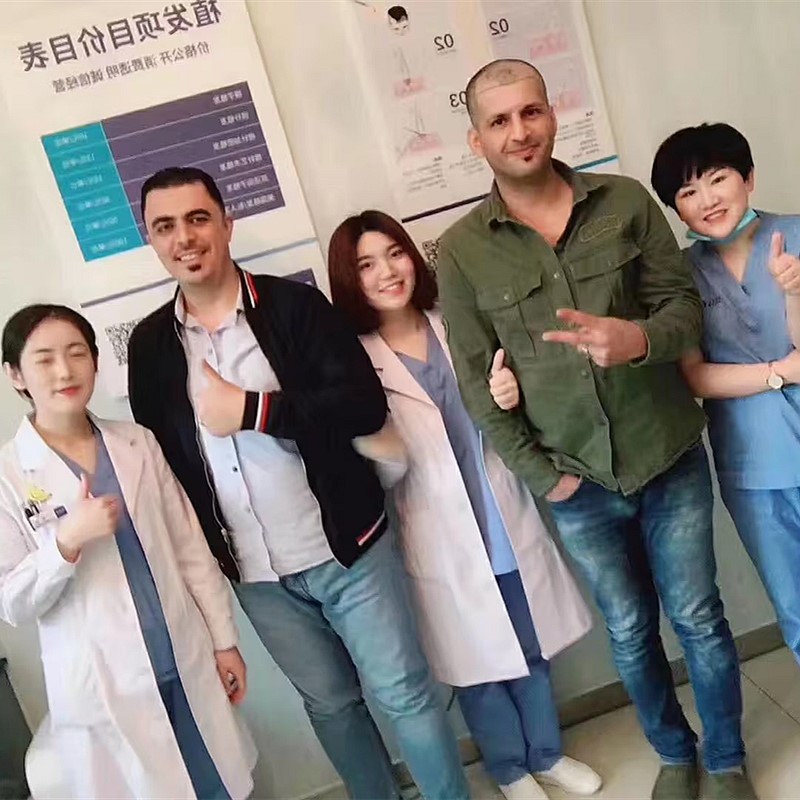
Happy Patients

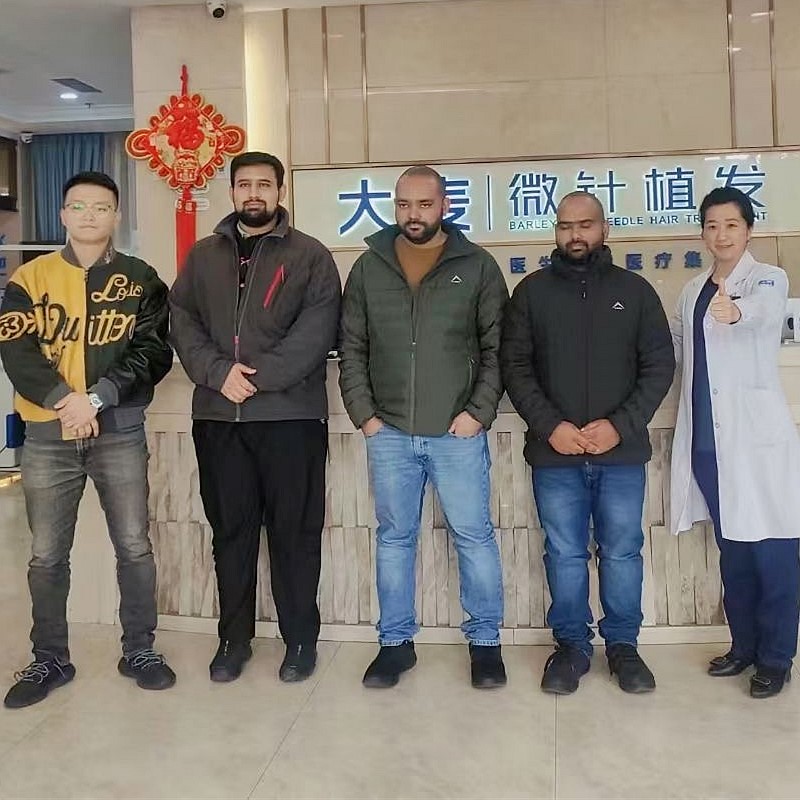
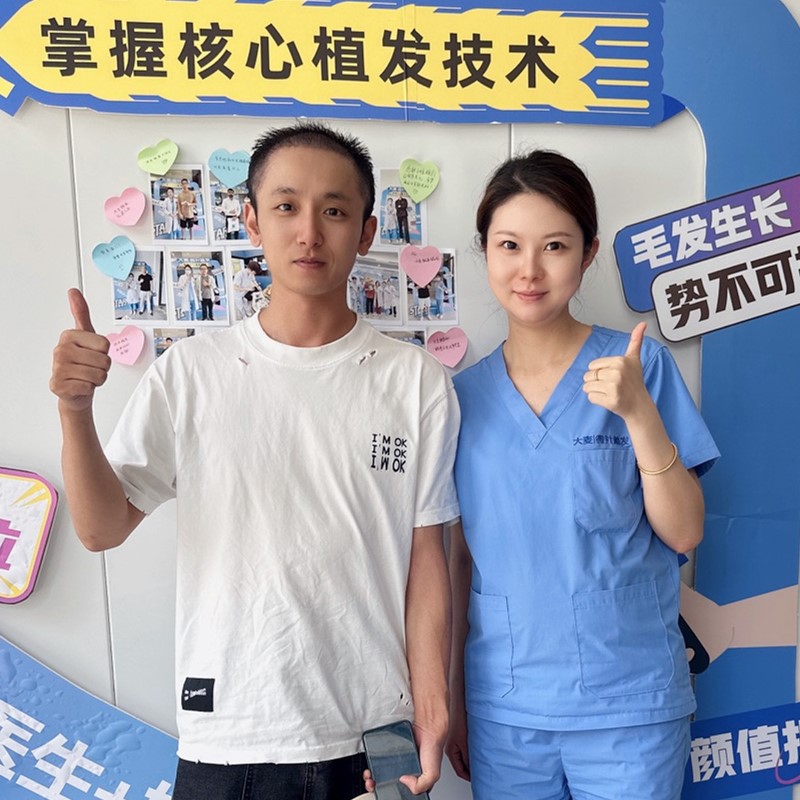
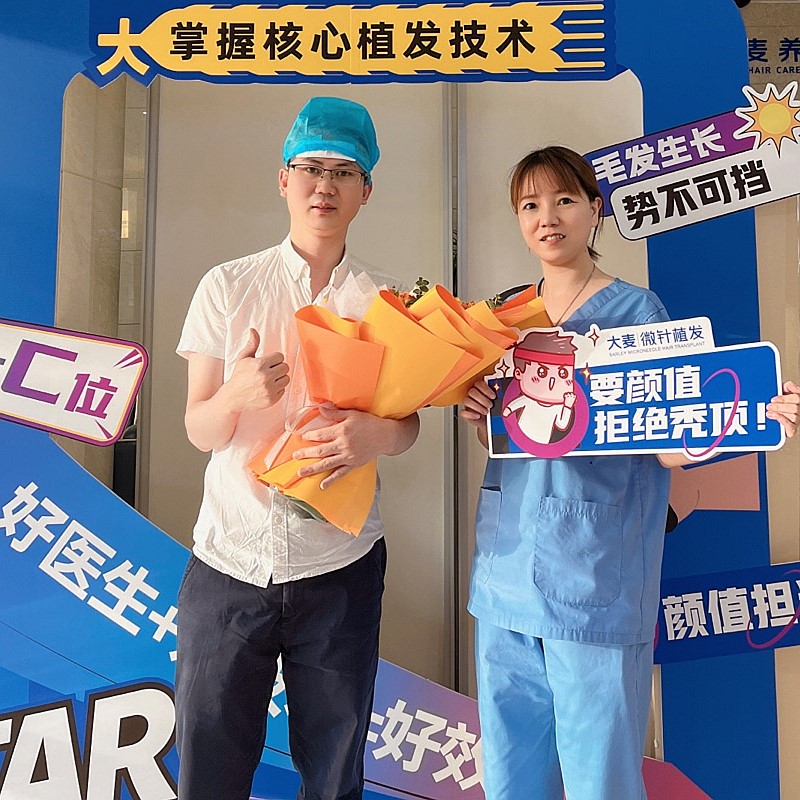
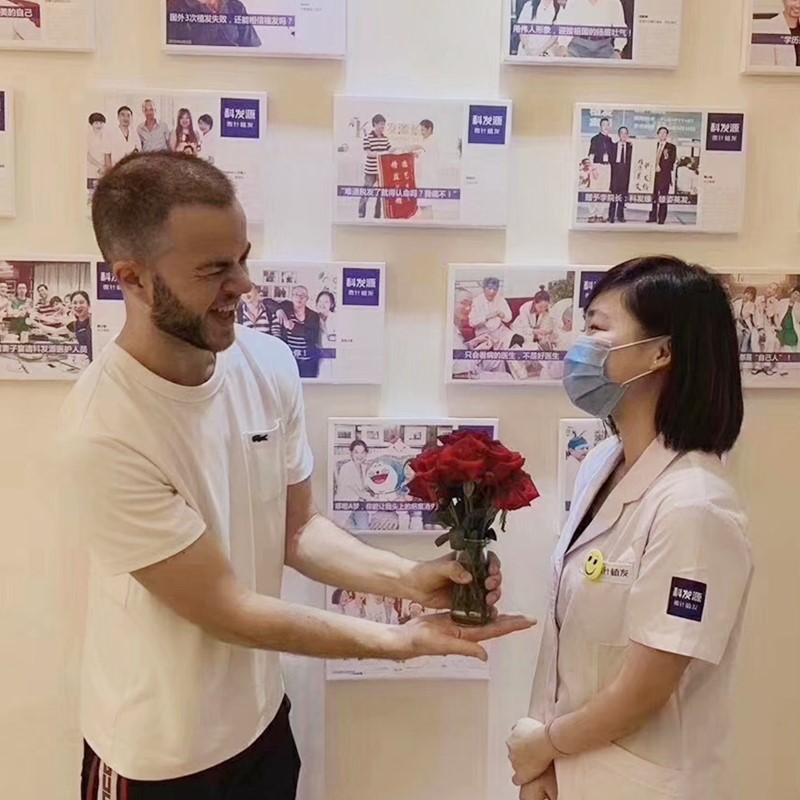
Moments captured with our satisfied patients
Feeling Great

Feeling Great

Guide helped me so much

Healthy Hair

Healthy Hair

Much better now

Confidence Back

Confidence Back

Feeling wonderful

Perfect Choice

Perfect Choice

Right decision made

Better Hair

Better Hair

Improved hair health

Satisfied

Satisfied

Very pleased with result

Success

Success

Hair is looking great

Happy Patient

Happy Patient

Feeling confident now

What Our Patients Say

Hear from our satisfied patients around the world

"I kept staring at my widening middle part every morning but had no name for it until this guide introduced me to the Ludwig scale. Turned out I was solidly Ludwig 1 — early enough that minoxidil 2% twice daily plus a topical anti-androgen spray stopped further widening within five months. I'm so grateful I didn't wait until it was obvious to everyone else. Early detection via the Ludwig scale literally saved my hair."

EV

Elara Voss

Iceland

"After my twins were born, my hair started coming out in clumps around month four. I'd run my fingers through and get 30+ strands at once. This guide pointed out that ferritin (stored iron) crashes postpartum even if your serum iron looks normal. Barley ordered the right blood test, found my ferritin was only 9 ng/mL, and put me on heme iron plus vitamin C. Eleven months later, the post-pregnancy shed has completely reversed and my ponytail is thicker than before I was pregnant."

SN

Soraya Navarro

Uruguay

"I have PCOS and was absolutely convinced women like me couldn't get hair transplants — I'd read so many forums saying FUE was only for men. This guide clearly explained that female androgenic alopecia with stable Ludwig 2 pattern is a great candidate for mid-scalp density FUE. Barley did 1,800 grafts just in my part line last spring, and at month 10 I can wear my hair down without scalp powder for the first time in 12 years. I cried at my follow-up appointment — it's the most feminine I've felt in forever."

DI

Dahlia Ibrahim

Lebanon

"Menopause hit me early at 49 and took my hair density with it. I didn't want oral HRT because of my family history, so Barley's guide laid out a non-surgical combination plan I could actually do: compounded topical minoxidil + micronized progesterone cream + PRP sessions every 3 months + magnesium glycinate at night. Six months in, my trichologist measured +18% in hair count at the crown. It's not magic, it's a stack — and it works."

IS

Ines Sauer

Switzerland

"I had no idea my thyroid antibodies were eating my hair. For three years I kept blaming bad shampoo and hard water until this guide told me to ask specifically for TSH, free T3, free T4 AND thyroid peroxidase antibodies, not just the basic panel. Barley caught my Hashimoto's, referred me to an endocrinologist for levothyroxine, and paired it with topical minoxidil while the medication kicked in. I don't panic when I brush my hair anymore. That peace of mind is everything."

NO

Niamh Okafor

Ireland

"I'm 28 and was pulling 12-hour audit weeks through January when I noticed my part line had literally doubled in width in two months. The Ludwig scale self-check in this guide put me at early Ludwig 1, and the stress section finally explained it — chronic cortisol raises DHT locally in the follicles. I booked Barley's early-intervention package, switched to 4-day work weeks, and started low-dose minoxidil nightly. Today, 8 months later, my part is back to normal and I actually look forward to washing my hair again."

LA

Leena Ahonen

Finland

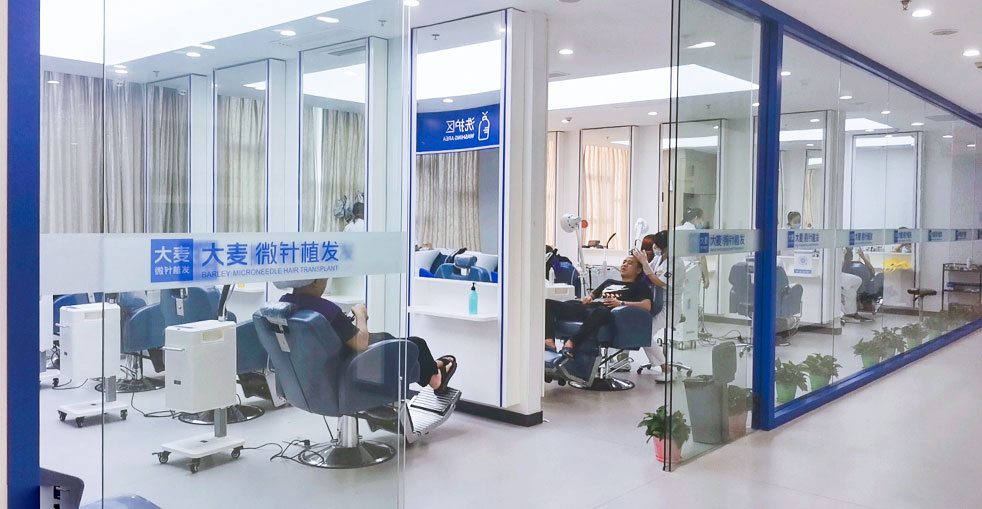
Our Clinic Environment

Experience our modern and comfortable facilities

Barley Hair Transplant Clinic Environment

Modern Clinic

Our state-of-the-art facility

Barley Hair Transplant Clinic Environment

Comfortable Waiting Area

Relax in our premium lounge

Barley Hair Transplant Clinic Environment

Operating Room

Sterile and advanced

Barley Hair Transplant Clinic Environment

Consultation Room

Private and professional

Barley Hair Transplant Clinic Environment

Recovery Area

Comfortable post-op space

Barley Hair Transplant Clinic Environment

Reception

Welcoming entrance

Frequently Asked Questions

Expert answers to the questions women ask most about hair thinning, causes, and treatment options

What treatments are recommended for Ludwig Grade 1, 2, and 3 respectively
Ludwig 1 (mild part widening): Start with 2% minoxidil twice daily or 5% foam once nightly, add ferritin optimization if deficient, and consider 2x-yearly PRP for maintenance. Transplant is usually not needed. Ludwig 2 (clearly visible scalp through the top): Step up to a combined protocol — 5% minoxidil + compounded topical anti-androgen + quarterly PRP sessions + oral anti-androgen if hormonally appropriate. 1,200–2,000 FU FUE density grafts along the part line are a strong option if loss is stable 12+ months. Ludwig 3 (extensive crown visibility): Non-surgical treatment alone will rarely give enough coverage. The standard recommendation is 2,000–3,200 FU FUE across the mid-scalp and crown combined with lifelong medical maintenance to protect the native hairs that remain.
How long does postpartum hair loss take to recover on its own
Postpartum telogen effluvium typically peaks between months 3–6 after delivery and then gradually slows. Most women see shedding return to baseline by month 9 and full density recovery by months 12–15. That said, "on its own" depends heavily on nutrient status — 40–50% of birthing parents are ferritin deficient after delivery, which can prolong shedding indefinitely. If you are still losing more than 100 hairs/day past month 12, or if your part width is not recovering, get a full panel (ferritin, TSH, free T3/T4, vitamin D, zinc) and consider minoxidil to speed regrowth.
Can women take finasteride — will it cause unwanted facial or body hair
Oral finasteride is NOT FDA-approved for women and should absolutely never be used by women who are pregnant, planning pregnancy, or breastfeeding — it causes severe birth defects in male fetuses. For postmenopausal women who have tried everything else, some trichologists will prescribe off-label oral finasteride at low doses, but hirsutism (extra facial/body hair) is indeed a reported side effect in roughly 5–10% of users. A much safer option for most women is topical finasteride compounded with minoxidil — blood levels are negligible, systemic hirsutism risk is essentially zero, and hair regrowth results are comparable to oral dosing in multiple studies.
What is the typical graft density for a female hair thickening transplant
Female density FUE is very different from male bald-area coverage. Instead of planting into bare skin, we are placing grafts BETWEEN existing native hairs without damaging them. Typical target density is 35–50 FU per cm² in the mid-scalp and part line, compared with 55–70 FU/cm² for a male frontal hairline. In real numbers: a standard part-line widening case (Ludwig 1–2) usually receives 1,200–1,800 FU. Ludwig 2–3 mid-scalp coverage is 1,800–2,800 FU. Advanced Ludwig 3 across the crown with frontal sparing can go up to 2,800–3,500 FU, sometimes staged across two procedures to preserve blood supply.
Is PRP helpful when I am currently in a telogen effluvium shed
Yes, PRP can actually reduce the severity and shorten the duration of an active female telogen effluvium — when timed correctly. The growth-factor cascade in PRP pushes resting (telogen) follicles back into anagen sooner and reduces the inflammatory signaling that triggers the shed in the first place. Barley's protocol for active TE is 3 initial sessions spaced 4 weeks apart plus a loading dose of oral L-cysteine, zinc, and high-dose iron if ferritin is low. We do advise waiting 2 weeks after any major surgery or infection before starting; otherwise the body's repair resources are split.
For perimenopausal or menopausal hair loss, what options exist besides transplant
Menopause thinning has a layered protocol, and most women do not need surgery if they start early. The non-surgical stack at Barley is usually: (1) 5% minoxidil foam nightly — works regardless of hormone levels. (2) Micronized progesterone cream applied to the scalp nightly — helps counteract the local androgen effect without systemic HRT risks. (3) PRP 4x per year for the first 2 years, then 2x maintenance. (4) Low-level laser cap 3x weekly at home. (5) If labs show low DHEA-S or estrogen deficiency, coordinate with your endo on bioidentical HRT — it is the single strongest intervention for many, but requires medical clearance.
Do you shave the whole head for a female part-line thickening transplant
No — for female density work at Barley we almost never shave the entire recipient area, because camouflage during healing is one of our highest priorities. Instead we do a very precise channel-only preparation: the existing native hairs along the part line are lifted out of the way with clips and stay full length. We create the tiny recipient channels between them, plant the grafts, then lower the native hair back over — you leave the clinic with the part already visually concealed. The donor strip at the back is usually shaved to 1 mm for extraction, but unless you wear a pixie or very high ponytail it is completely invisible once you wash your hair on day 3.

Contact Us

Click to copy contact information

WeChat

15810155700

WhatsApp

+86 13730143529

WeChat QR Code

Get Free Consultation

About Barley

Established by a team of doctors with 31 branches in China's major cities, Barley Microneedle Hair Transplant Hospital has always been pursuing the best technology, better quality and more safety to help you with all kinds of hair loss problems.

You Might Also Want to Know

Everyone's hair loss journey and solution are unique due to a variety of factors. Our hair restoration experts will assist you in determining the root cause and the best solution for your hair restoration plan. If you have any questions, please ask; we are happy to assist.
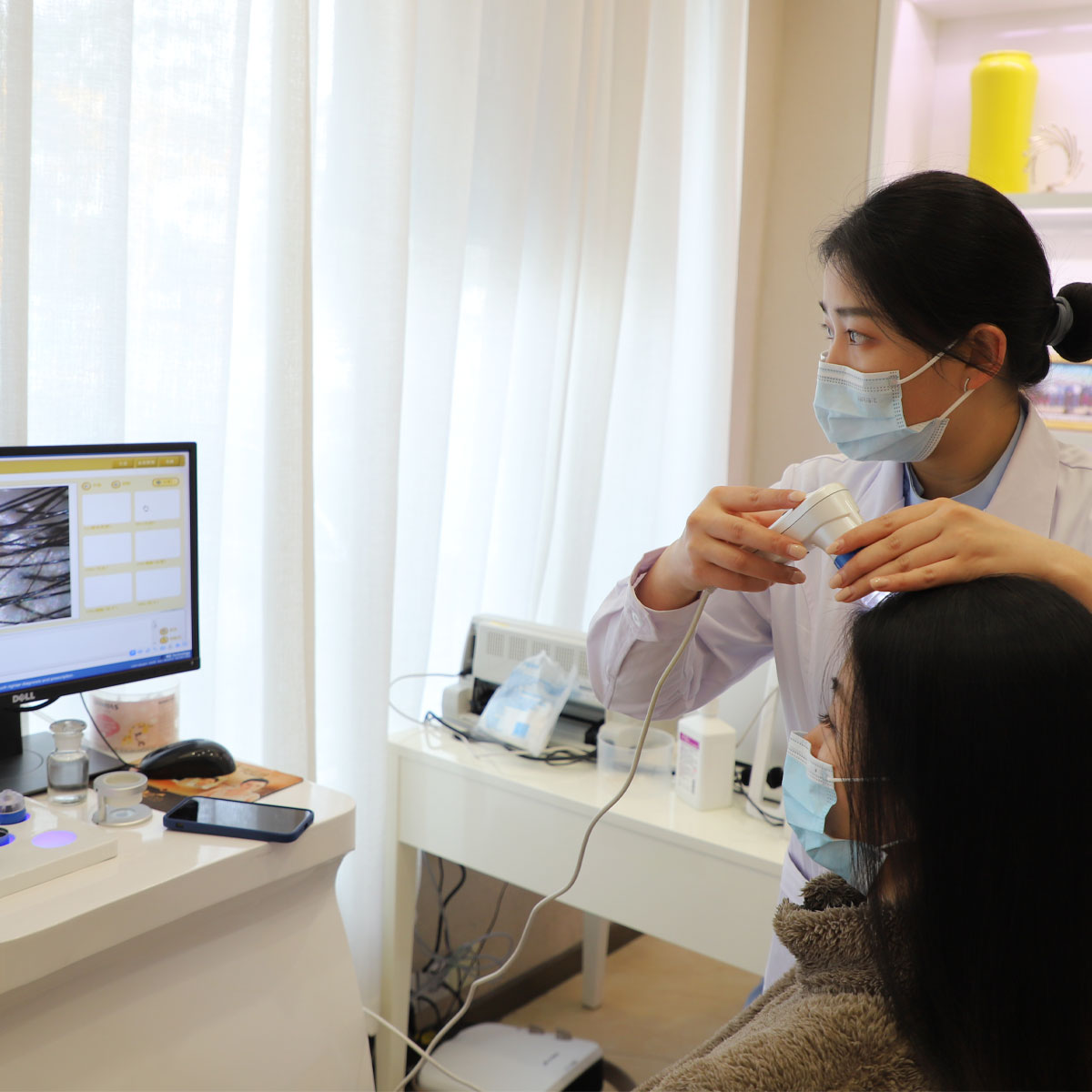

Hair Transplant Consultation