FUE Hair Transplant - Minimally Invasive

FUE Hair Transplant

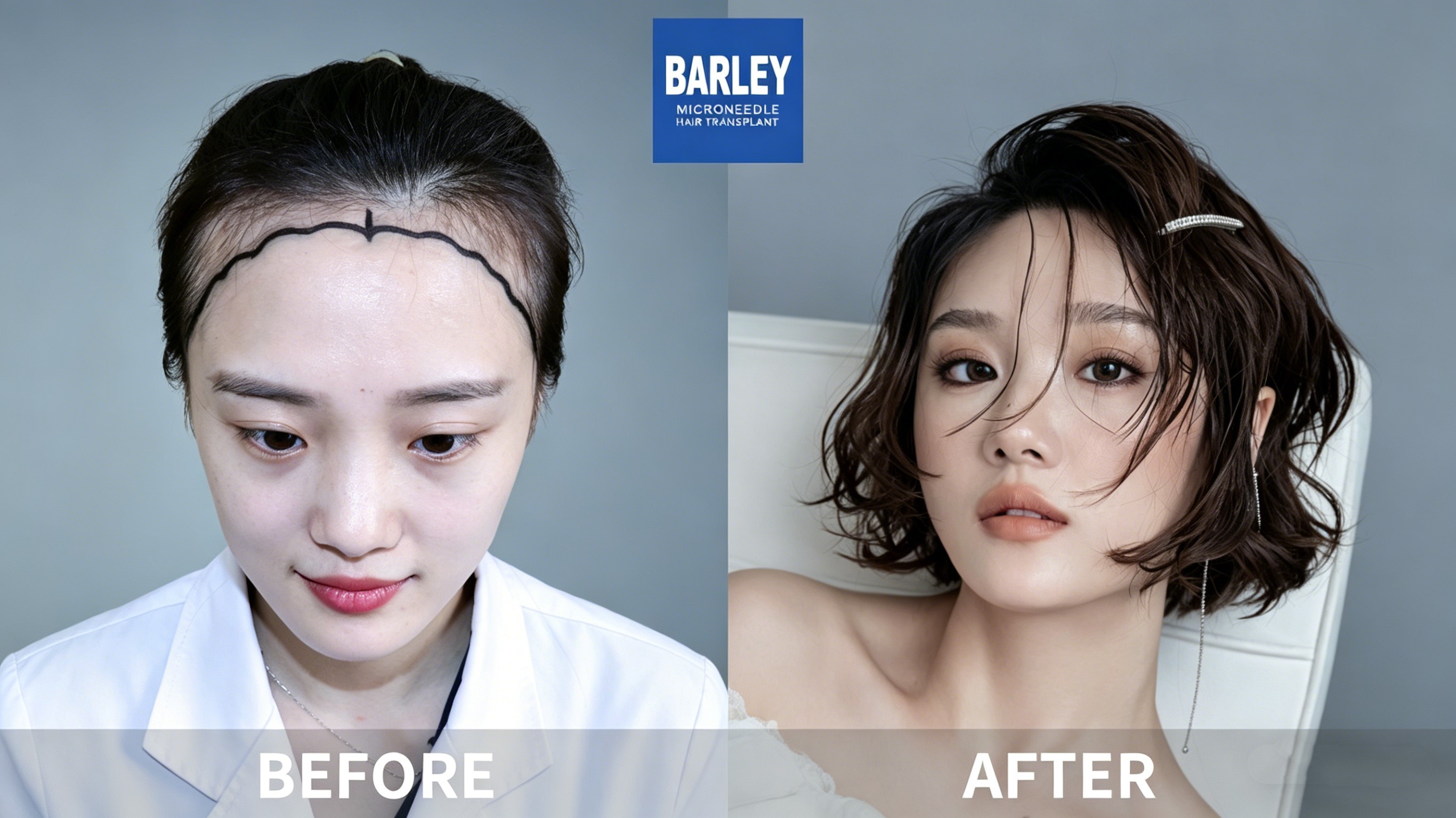
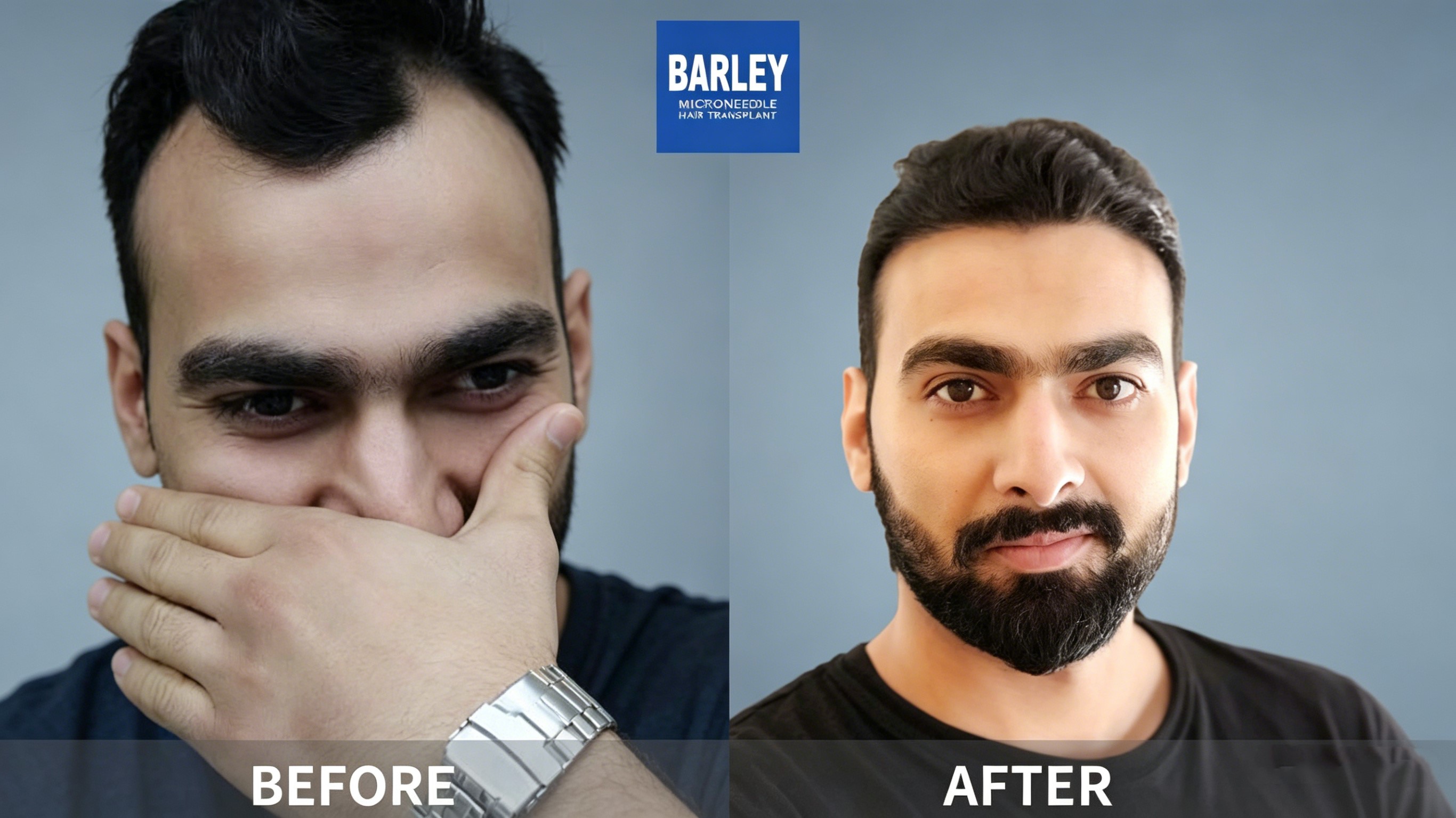
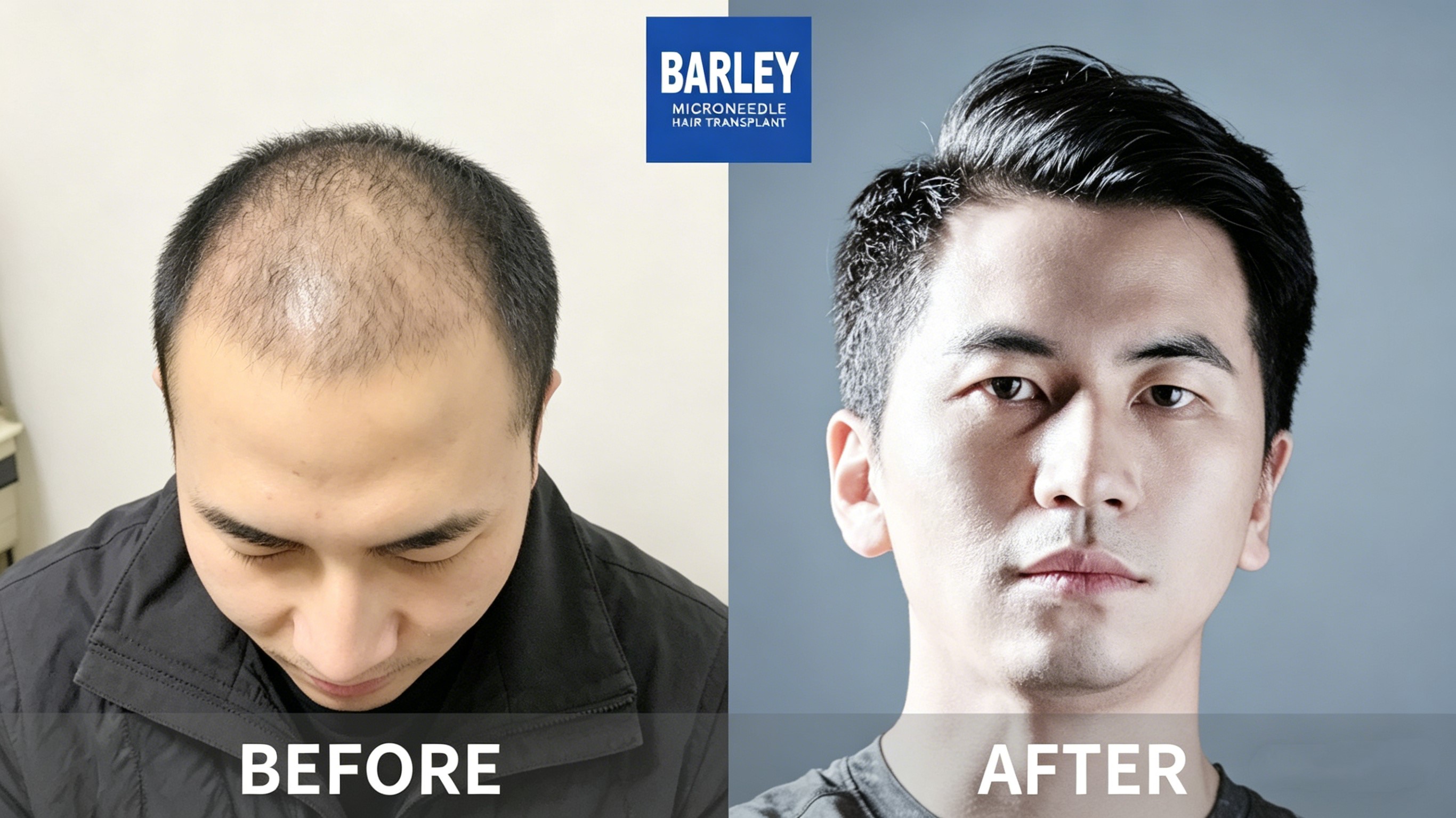
Follicular Unit Extraction - the gold standard in minimally invasive hair restoration for natural-looking, permanent results.

Get Free Consultation
FUE Hair Transplant - No Linear Scarring

No Linear Scarring

Unlike traditional methods, FUE leaves no linear scar - perfect for patients who prefer short hairstyles.

Get Free Consultation
FUE Hair Transplant - Faster Recovery

Faster Recovery

Return to normal activities within days, not weeks. FUE offers minimal downtime with maximum results.

Get Free Consultation

What is FUE Hair Transplant?

FUE (Follicular Unit Extraction) is a minimally invasive hair transplant technique that extracts individual hair follicles from the donor area (typically the back of the scalp) and implants them into the recipient area. Unlike traditional strip surgery (FUT), FUE leaves no linear scar, making it the preferred choice for modern hair restoration.

Understanding FUE

How FUE Works

A comprehensive overview of the FUE procedure and its benefits

The Gold Standard in Hair Restoration

FUE has become the most popular hair transplant technique worldwide due to its minimally invasive nature and natural-looking results. At Barley, we've enhanced FUE with our proprietary microneedle technology for even better outcomes.

During the procedure, individual follicular units (1-4 hairs each) are extracted one by one using a tiny punch tool (0.6-1.0mm). These follicles are then carefully implanted into the recipient area at precise angles and directions to match your natural hair growth pattern.

The result is completely natural-looking hair that grows, can be cut, styled, and treated just like your existing hair - permanently.

FUE Procedure Overview
Step by Step

The FUE Procedure Process

Understanding each step of your FUE hair transplant journey

1

Consultation

Meet with our specialists to assess your hair loss pattern, donor area quality, and discuss your goals. We create a customized treatment plan.

2

Preparation

The donor area is trimmed and prepared. Local anesthesia is administered for complete comfort throughout the procedure.

3

Extraction

Individual follicular units are extracted one by one using precision tools. This step requires skill and patience for optimal results.

4

Preparation

Extracted follicles are sorted, cleaned, and stored in a specialized solution to maintain viability until implantation.

5

Implantation

Follicles are carefully implanted into the recipient area at precise angles and directions for natural-looking growth.

6

Recovery

The procedure is complete! Most patients return to normal activities within 3-5 days with minimal discomfort.

Why Choose FUE

Key Benefits of FUE Hair Transplant

Discover why FUE is the preferred choice for modern hair restoration

No Linear Scarring

Unlike FUT, FUE leaves only tiny dot scars that are virtually invisible, even with short hairstyles.

Faster Recovery

Most patients return to normal activities within 3-5 days, compared to 2-3 weeks with FUT.

Minimally Invasive

No scalpels, no stitches, no linear scar. FUE is the least invasive hair transplant method available.

Natural Results

Precise follicle placement ensures hair grows naturally, matching your existing hair pattern perfectly.

Permanent Results

Transplanted hair is DHT-resistant and will continue to grow naturally for life.

Comfortable Experience

Performed under local anesthesia with minimal discomfort during and after the procedure.

Technology Comparison

FUE vs FUT: Which is Right for You?

Compare the two main hair transplant techniques to make an informed decision

Feature
FUE
FUT (Strip)
Scarring
Tiny dot scars (invisible)
Linear scar (visible with short hair)
Recovery Time
3-5 days
2-3 weeks
Invasiveness
Minimally invasive
Surgical strip removal
Stitches Required
No
Yes
Hairstyle Flexibility
Any length, including very short
Limited with very short styles
Procedure Time
4-8 hours
4-6 hours
Post-Op Discomfort
Minimal
Moderate
Is FUE Right for You

Ideal FUE Candidates

Learn if FUE hair transplant is the right solution for your hair loss

Good Candidates

FUE is ideal for patients who:

  • Have sufficient donor hair density
  • Prefer short hairstyles
  • Want minimal scarring
  • Need smaller to medium sessions
  • Want faster recovery time
  • Have realistic expectations

Consider FUT If

FUT may be better for patients who:

  • Need very large sessions (4000+ grafts)
  • Have limited donor area supply
  • Prefer shorter procedure time
  • Don't plan to wear very short hairstyles
  • Want lower cost per graft

Not a Candidate If

Hair transplant may not be suitable if:

  • Donor area supply is insufficient
  • Hair loss is still progressing rapidly
  • Have certain medical conditions
  • Expectations are unrealistic
  • Under 25 years old (usually)
Patient Experiences

What FUE Patients Say

Real stories from patients who chose FUE at Barley

"I researched both FUE and FUT extensively before choosing FUE, and I'm so glad I did. The donor area at the back of my head looks completely normal - you'd never know 2,200 grafts were extracted from there. I wear my hair cut very short (a #3 guard) and nobody can spot any scarring whatsoever. Recovery was super quick too; I was back at my desk job on day 4 without any issues. The dot scabs healed within a week and are now totally invisible. Compared to what FUT would've left me with, this was a no-brainer for someone who likes to keep their hair short."

OW

Owen Walsh

Ireland

"Honestly, the recovery was way easier than I expected. I had my FUE on a Friday, took the weekend to rest, and by Monday morning I honestly felt fine. The donor area was slightly tender for about three days but nothing ibuprofen couldn't handle. There were tiny little dots at the back where they extracted the follicles, but they scabbed over and healed within 7-10 days. By week two, I couldn't see anything even if I looked closely in the mirror with a flashlight. The team at Barley told me FUE recovery is faster than FUT and they weren't lying - my brother had FUT a few years ago and he was genuinely uncomfortable for nearly two weeks."

CR

Caleb Romero

Spain

"I was worried that my wife or close friends would notice something from the extraction area, but honestly - they haven't. I had 1,800 grafts taken from the back and sides, and even when I get a haircut the barber hasn't said anything. The little extraction points healed so cleanly. I initially considered FUT because my cousin had it done, but when I saw his linear scar up close it genuinely put me off. With FUE, I can literally wear my hair at any length now and not stress about someone seeing a scar. That peace of mind alone was worth choosing FUE over the strip method."

AN

Asher Navarro

Philippines

"My main reason for going with FUE instead of FUT was simple - I hate the idea of a big linear scar. I like wearing my hair at a medium length (about 2 inches on top, shorter on the sides) and I didn't want that permanent strip scar always limiting what styles I could wear. The FUE extraction points are just tiny little punctures that heal completely. Six months post-op, my hairline looks so natural that my old university friends can't pinpoint what's different about me. They just say I look younger or healthier. The contrast between FUE and FUT is night and day if scarring matters to you."

MT

Milan Toth

Hungary

"I'm a gym instructor so I'm in and out of showers at the sports club, sweating, with short hair all the time. FUE was literally my only viable option because FUT's scar would've been obvious to everyone around me. The extraction zone at the back healed flawlessly - I've had other trainers get right up close to look because they were curious and they couldn't spot a thing. For anyone in fitness, modeling, acting, or any career where appearance and short hairstyles matter, FUE isn't just a 'nice-to-have' - it's the only realistic choice. Results at month 8 have been fantastic."

GB

Grady Bennett

New Zealand

"I was genuinely nervous about the donor area looking patchy or thin after extraction, but the surgeons at Barley spread the extractions so evenly across the safe donor zone that my overall density back there hasn't changed perceptibly. They took 2,500 grafts total from different sections rather than drilling one concentrated area, which I think makes all the difference. My barber actually commented the other day that I have thick hair at the back still. If you're worried about the donor area thinning out after FUE, rest assured - when it's done properly by a skilled team, nobody but you and your surgeon will know anything was extracted."

JL

Javier Luna

Argentina

Common Questions

FUE Hair Transplant FAQ

Expert answers to frequently asked questions about FUE

What are the main differences between FUE and FUT hair transplant?
The core difference lies in how donor follicles are harvested. FUE extracts individual follicular units one by one using a tiny 0.6-1.0mm punch tool, leaving only tiny dot-like scars. FUT surgically removes a linear strip of scalp from the donor area and stitches it closed, leaving a continuous linear scar. FUE requires no stitches, has a faster 3-5 day recovery, and allows very short hairstyles. FUT is generally faster for very large sessions, may yield slightly more grafts in one pass, and has a lower cost per graft. The scar trade-off is the deciding factor for most patients.
Will the FUE donor extraction area have visible scars?
When performed correctly, FUE extraction scars are tiny round puncture marks (each about the size of a pinhead) that heal cleanly and become virtually invisible within a few weeks. Unlike FUT's linear scar, FUE dot scars are individually so small that surrounding hair shafts grow through and around them, camouflaging them completely. Most patients can wear their hair at a #1 or #2 guard length without anyone noticing extraction marks. Scar visibility depends on punch size used, surgeon technique, skin pigmentation, and individual healing.
What size of hair loss area is FUE most suitable for?
FUE is highly versatile and works well for most session sizes, though it excels in small to medium graft counts between 1,000 and 3,000 grafts - covering typical hairlines, crown patches, and temple recessions. Very large sessions of 4,000+ grafts in a single day are technically possible with FUE but require more surgical time, multiple extraction technicians, and a sufficiently dense donor zone. For truly advanced baldness requiring maximum extraction, some clinics recommend FUT or split the FUE into two separate sessions a few months apart to preserve donor density.
Can I have a second FUE repair session later if needed?
Yes, absolutely - and this is actually one of the strongest advantages of FUE over FUT. A second or even third FUE procedure can safely be performed by harvesting grafts from areas surrounding the original extraction points, as long as the overall donor density remains healthy. The scattered dot-scar pattern of FUE leaves plenty of undisturbed follicles available for future harvesting. With FUT, on the other hand, returning to the donor strip area to remove a second strip is more complex and increases scar widening risk. Many patients do staged FUE sessions over several years as needed.
How densely can follicles be extracted in FUE?
A responsible surgeon will extract follicles in a dispersed, spaced pattern rather than stripping one concentrated area. Safe extraction density depends on your original donor hair density, scalp laxity, and follicular unit grouping patterns. As a general rule, surgeons aim to extract no more than 25-35% of the available follicles in any given donor sub-area in a single session. Going beyond that risks visible donor thinning or "moth-eaten" appearance. At Barley, our surgeons map the donor zone in advance and strategically plan extraction locations to preserve uniform coverage while harvesting the needed graft count.
Does the donor area become noticeably thinner after FUE extraction?
When performed by experienced surgeons with proper spacing and density control, the donor area should maintain a naturally full appearance. This is because the extractions are spread out across a wide safe donor zone and the remaining follicles continue growing normally, camouflaging the extraction points. The risk of visible thinning rises when overly aggressive graft counts are requested, when the patient has naturally thin donor density to begin with, or when an inexperienced surgeon clusters extractions too close together. Proper patient selection and conservative extraction planning are the keys to avoiding donor depletion.
Is FUE more painful than FUT during or after surgery?
Pain and discomfort are typically lower with FUE because there is no linear incision, no scalp flap, and no stitches to pull on surrounding tissue. Both procedures use local anesthesia so the surgery itself is painless. Post-operatively, FUE patients usually describe the donor area as mildly tender or tingly for 2-4 days, manageable with over-the-counter pain medication. FUT patients often report more significant soreness, tightness along the suture line, and more weeks of residual discomfort. A few FUE patients do experience mild temporary numbness at the donor site but this almost always resolves within a few months.

Ready to Explore FUE Hair Transplant?

Schedule your free consultation today and discover if FUE is the right solution for your hair restoration goals