 Barley Hair Transplant Hospital
Barley Hair Hospital
Barley Hair Transplant Hospital
Barley Hair Hospital
Barley Hair Transplant Hospital
Barley Hair Hospital
Barley Hair Transplant Hospital
Barley Hair Hospital

Understanding hereditary hair loss and treatment options
There are many different types of hair loss that can occur for a variety of reasons. Hair loss can be caused by genetics, stress, hormones, lifestyle changes, age, and so on. Yes, hair loss can be genetic; however, not all hair loss is genetic. Genetic hair loss is referred to as Alopecia and categorized as male-pattern baldness and female-pattern baldness, and is hereditary — meaning it runs in families.
In general, genetic hair loss manifests in men and women in the form of pattern baldness, typically appearing in the 30s and 40s. Here's how men and women experience genetic hair loss.
Men will notice a gradual increase in hair fall in a specific pattern. First, there is a gradual decrease in hair density and a receding hairline around the temples.
Hair loss manifests as an M shape, with hair falling on the side and top of the head (crown). The culprit is a hormone called dihydrotestosterone (DHT), which causes hair follicles to shrink.
Women begin to lose hair or experience hair thinning in their 30s, and hair density gradually declines as they enter menopause in their late 40s and 50s.
Unlike men, women do not necessarily experience hair loss in an M shape pattern. Instead, density decreases overall and the hairline recedes differently. Severe hair loss may occur in patches.
The Role of DHT: DHT affects the genes that reduce the hair growth phase. It causes hair follicles to shrink, resulting in fewer and finer hairs. Hair gradually stops growing in the temple and crown areas, but continues on the back of the head — which is why donor follicles for hair restoration are taken from the back.
When Does It Start For different men and women, pattern baldness could begin in their 20s, 30s, or 40s. It is a gradual process that begins at different times for different people, but the cause is always genetic.
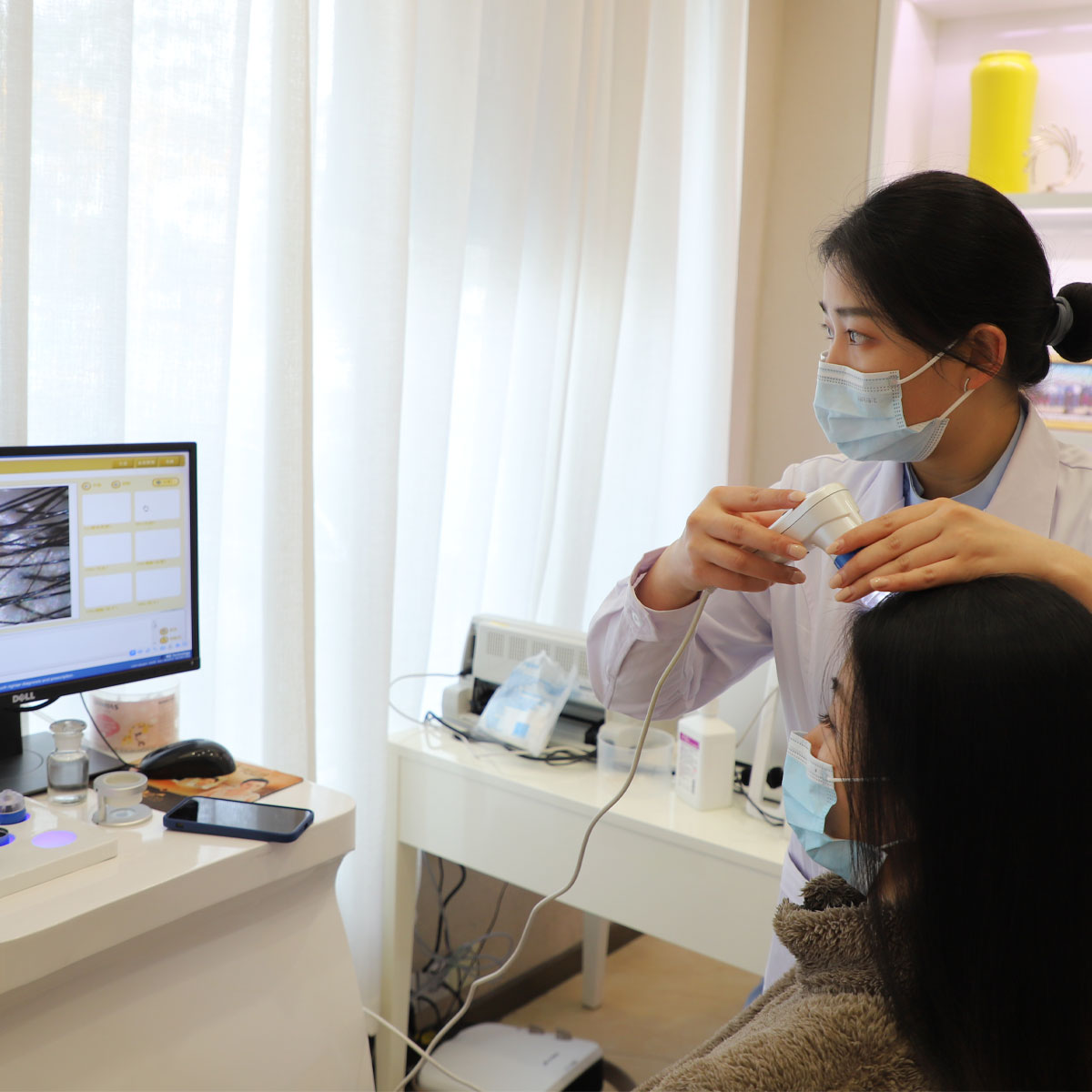
Assessment Scales: Two internationally recognized scales determine the hair loss level. The Hamilton-Norwood Scale has seven stages for men. The Ludwig Scale has three stages for women. After determining the extent, a personalized treatment plan can be created. Try our Hair Loss Calculator to assess your level.
If hair loss is genetic in your family and you want to treat it with hair restoration procedures, Barley Hospital can assist you. Our hair experts will assess your level of hair loss using the Hamilton-Norwood and Ludwig scales, then recommend a plan based on your needs.
Comprehensive evaluation using international scales
Custom treatment based on your hair loss level
Implanter pen technology for maximum results
Permanent restoration with natural-looking growth
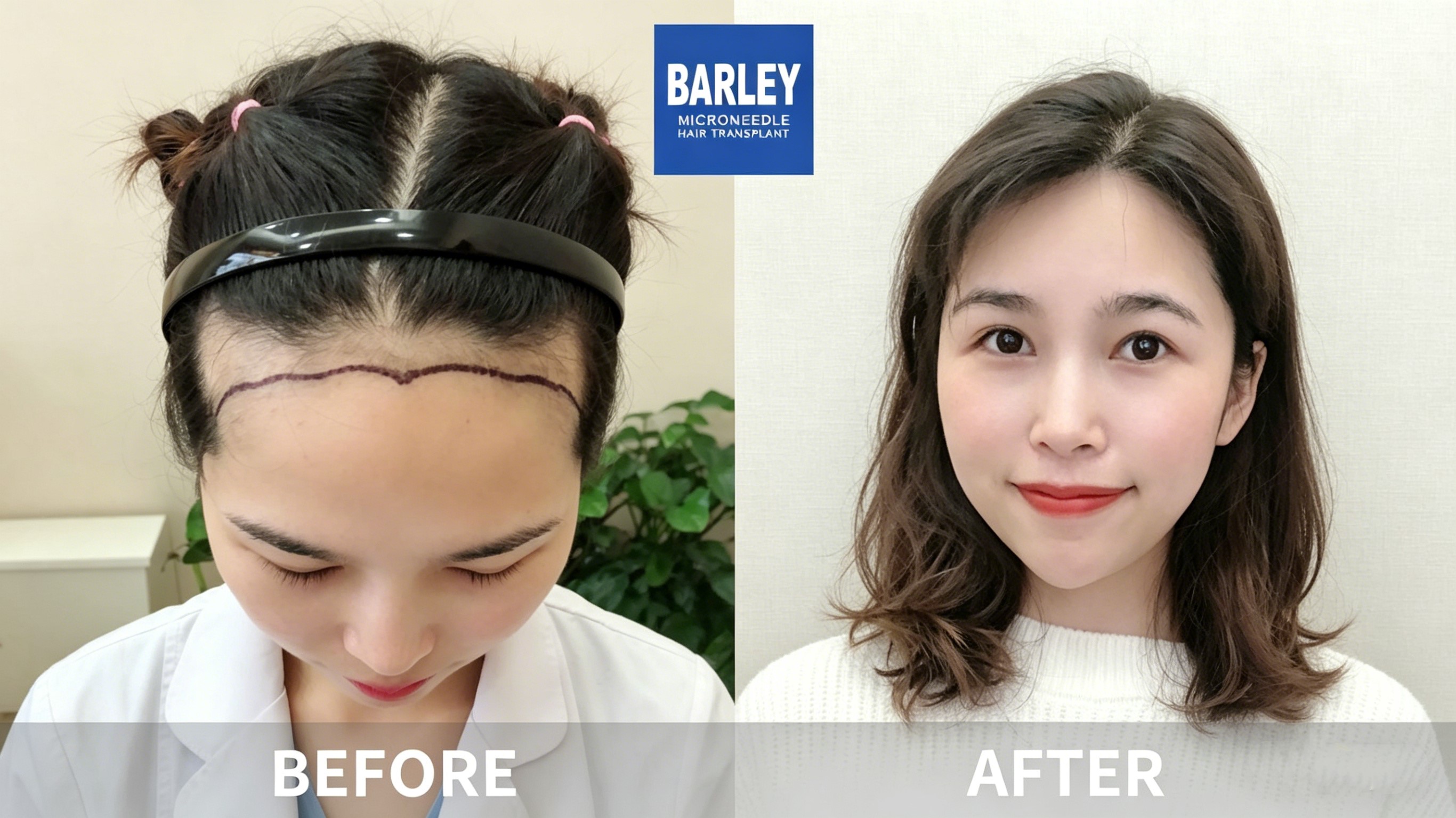
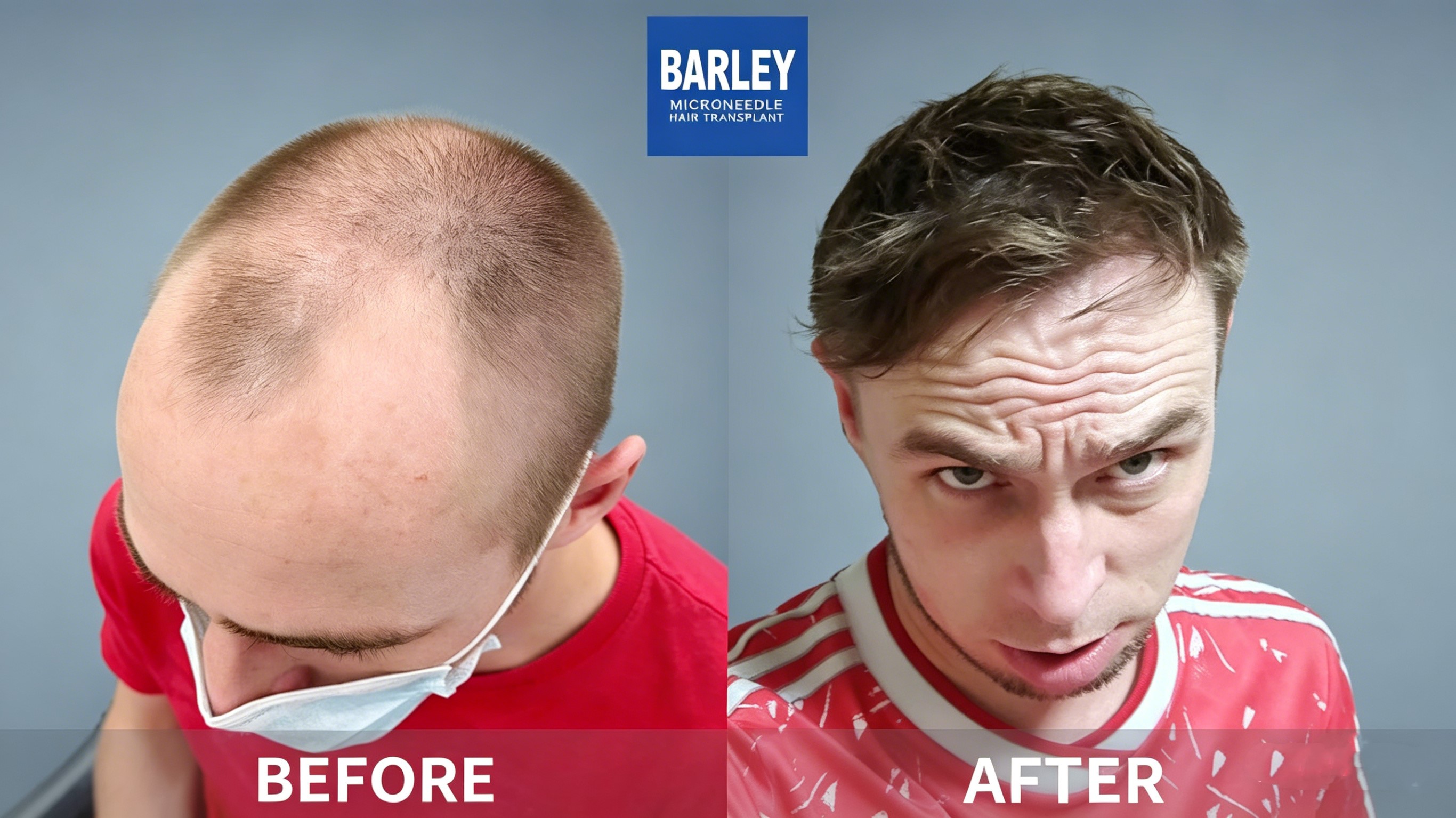
Our Microneedle method uses implanter pen technology to maximize hair transplant results by taking healthy grafts from the donor area and planting them in the affected area. It is a permanent hair restoration solution for men and women with pattern baldness.
See the results that have earned our patients' lasting confidence
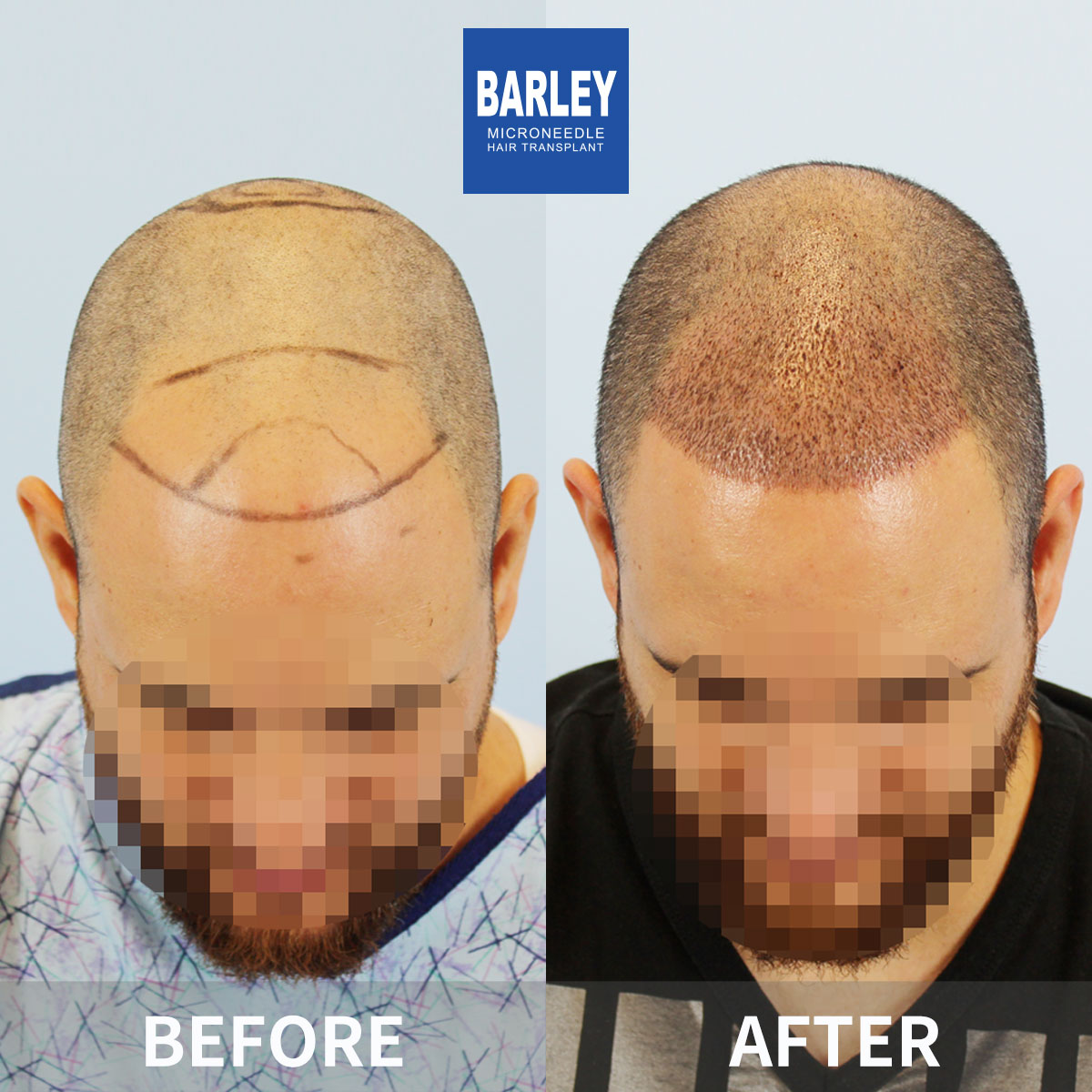
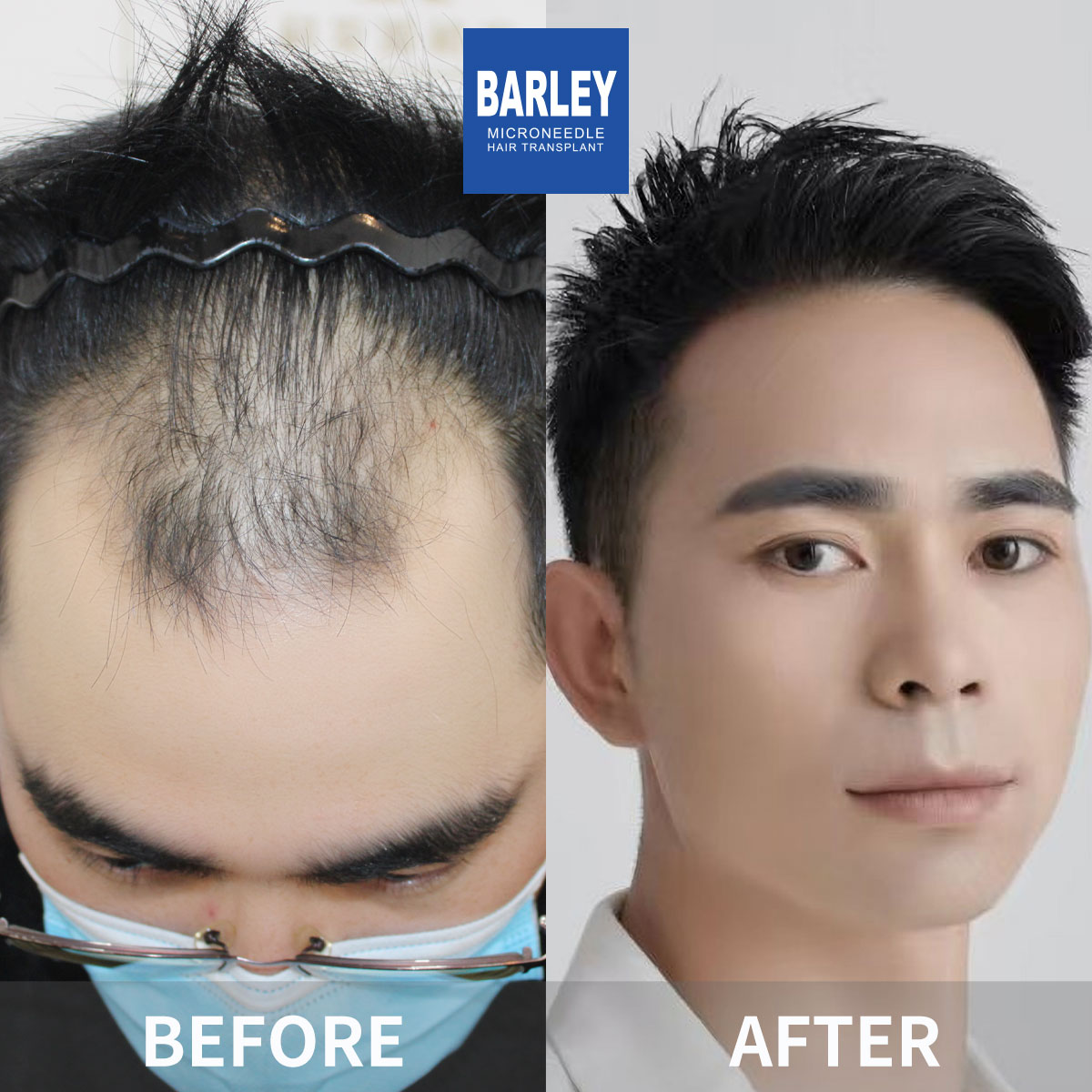
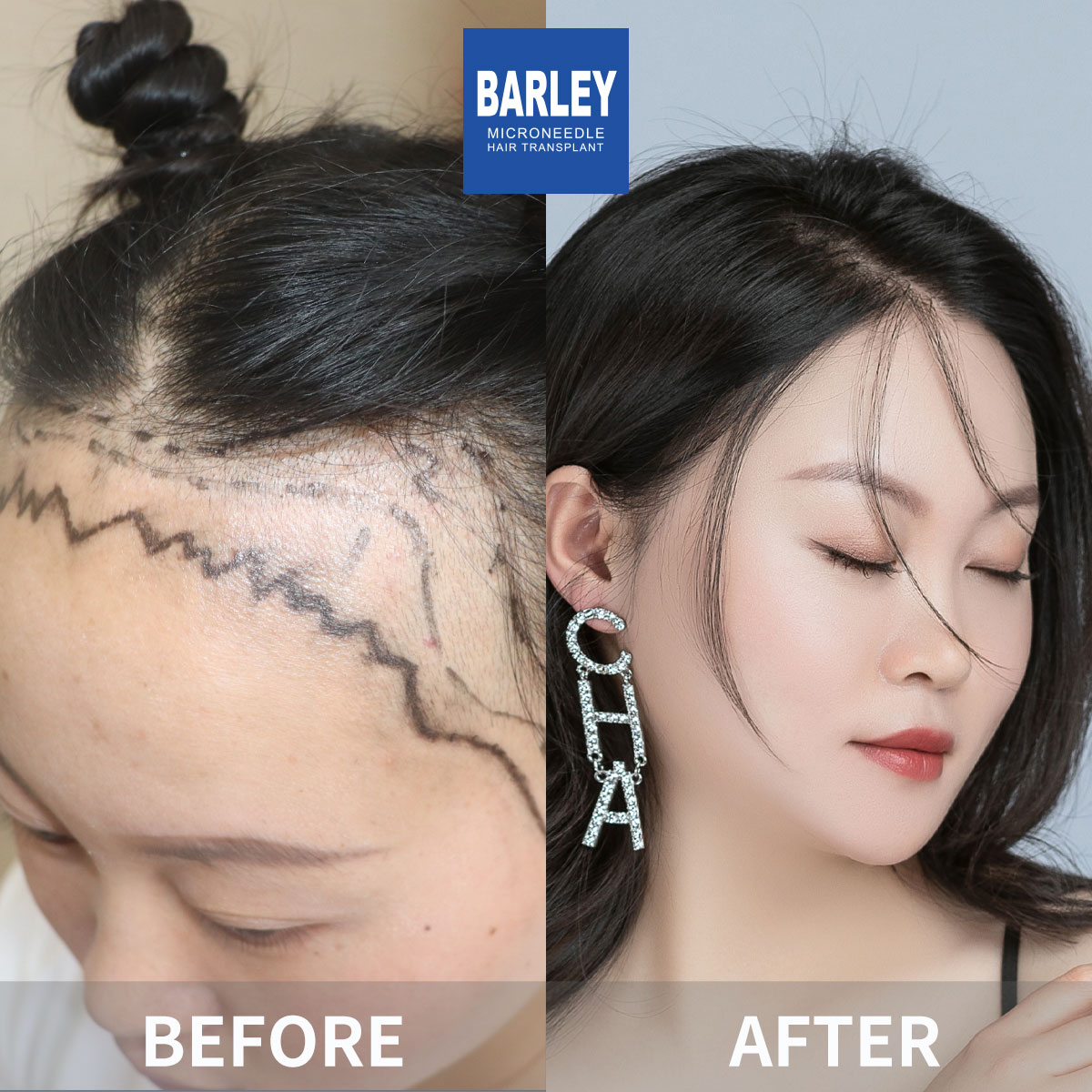
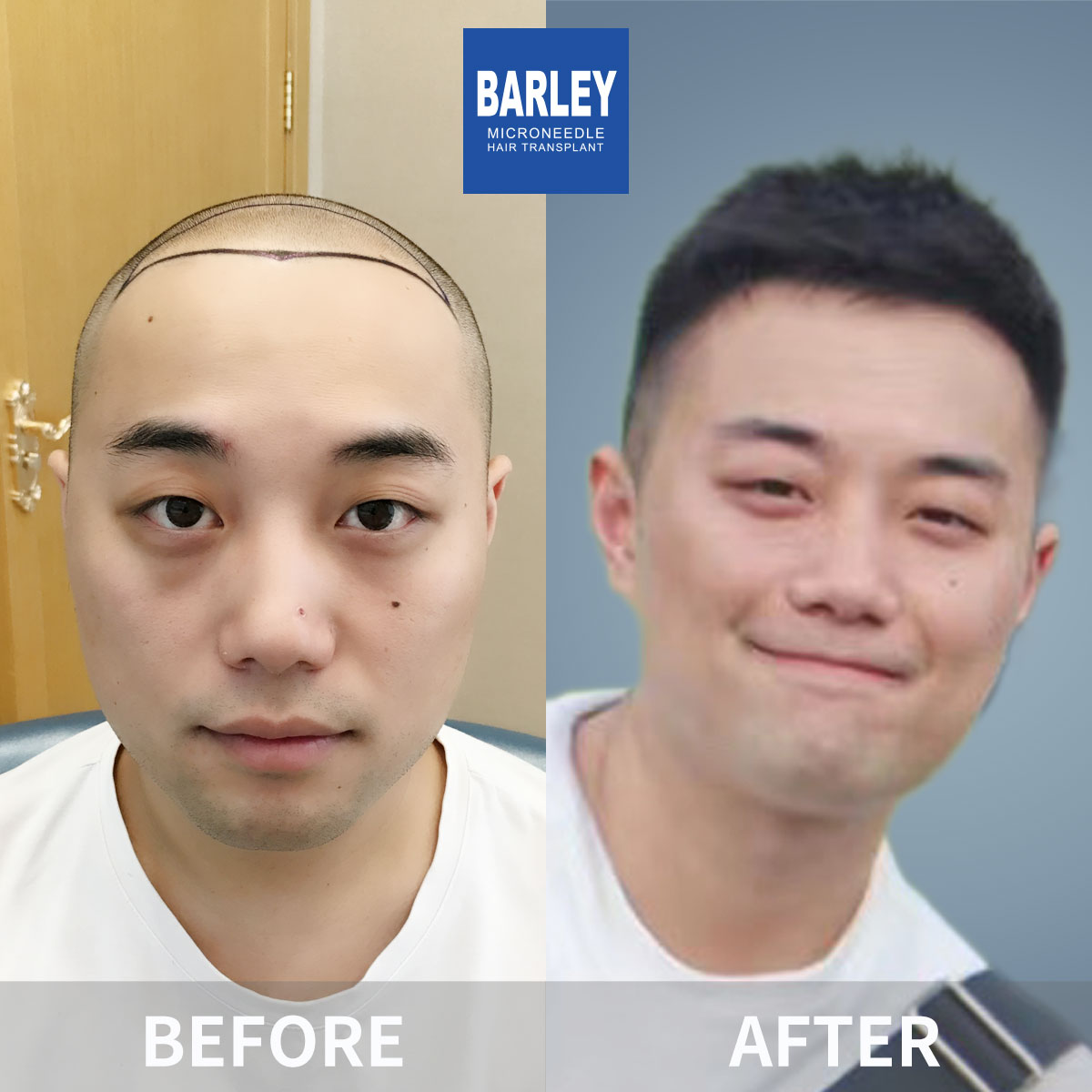
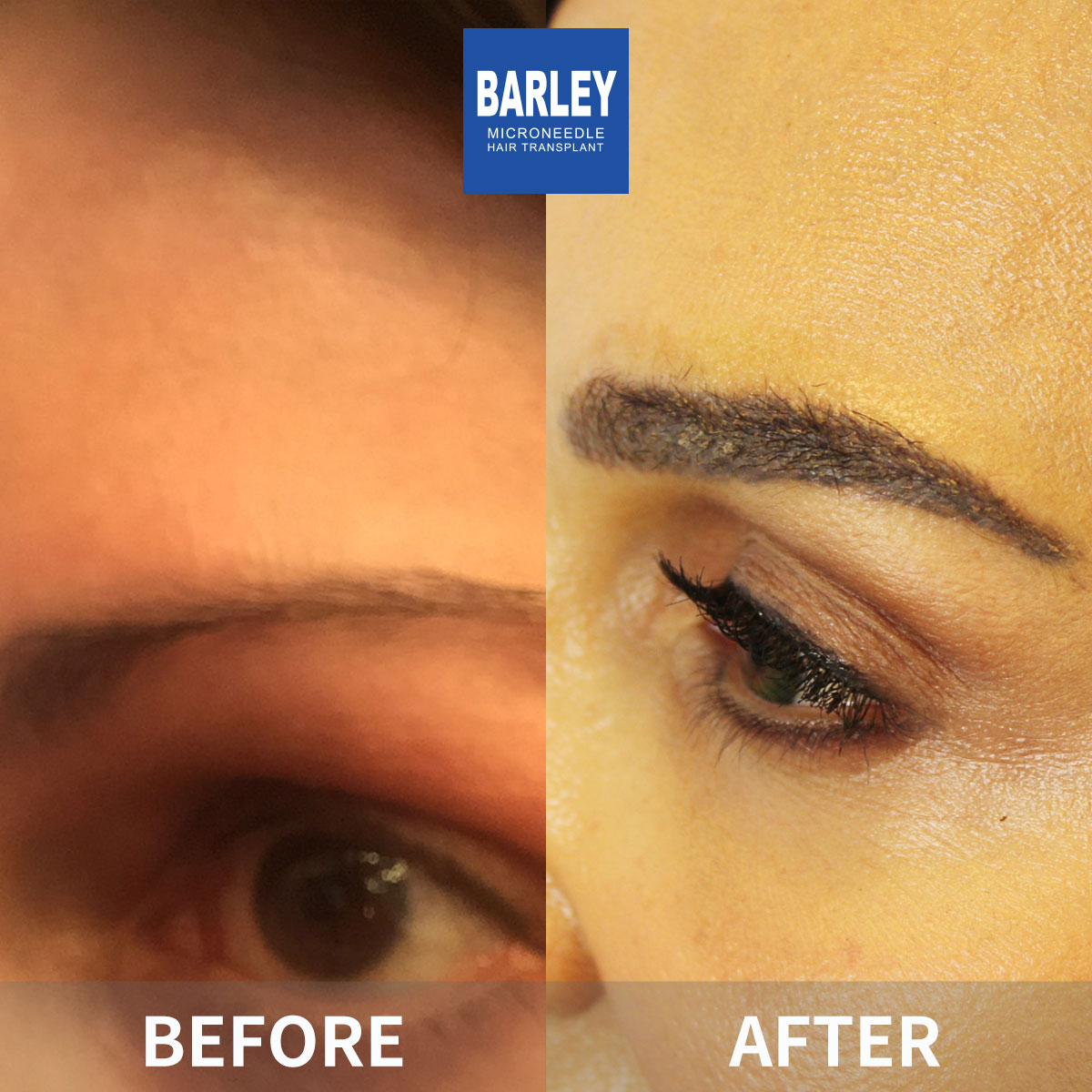
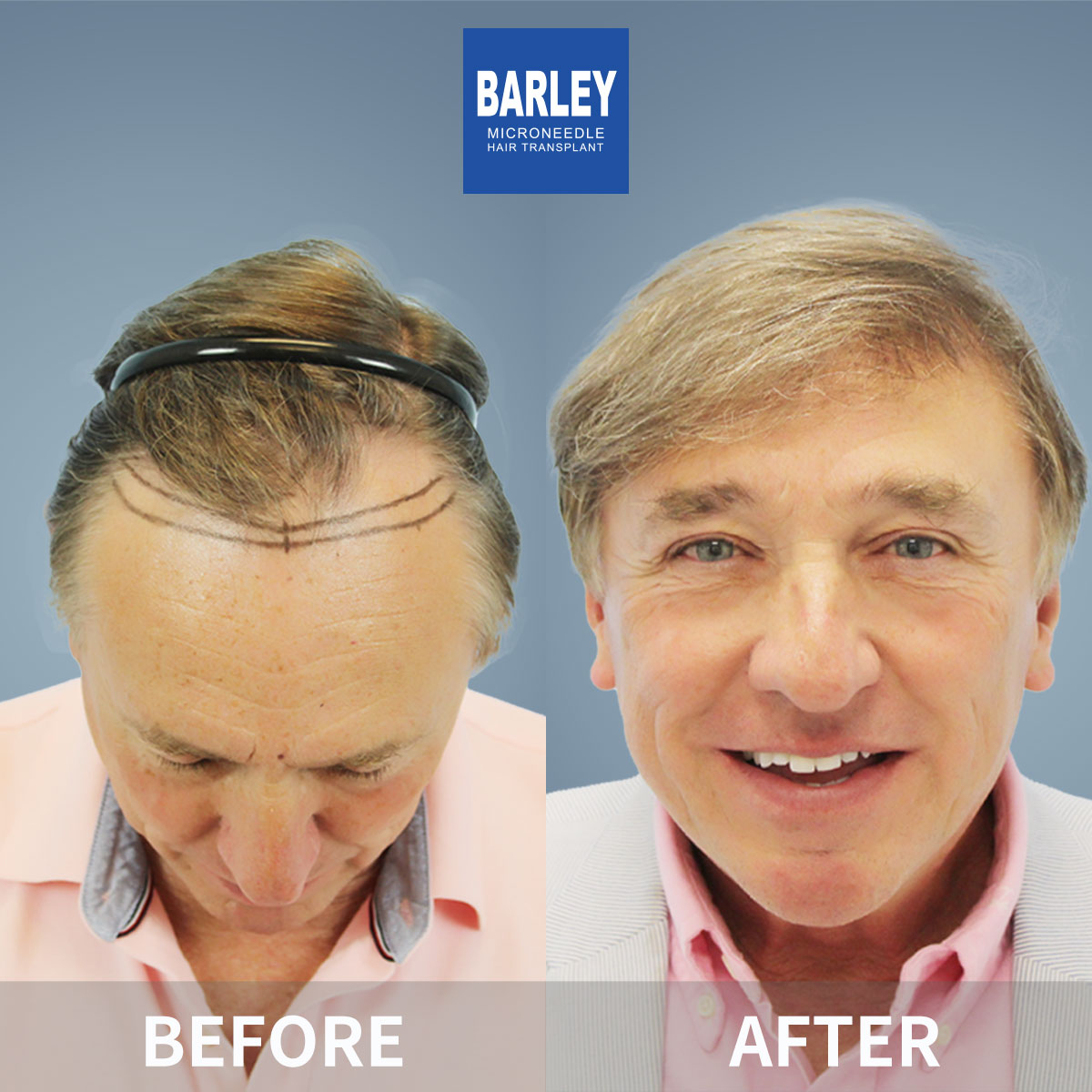
Real patients, real confidence restored

Patient proudly showing their natural-looking outcome

Patient celebrating their remarkable new look

Patient showcasing their refreshed, natural hairline

Patient revealing their impressive transformation

Overseas visitor delighted with results

Patient thrilled with their beautiful new hair
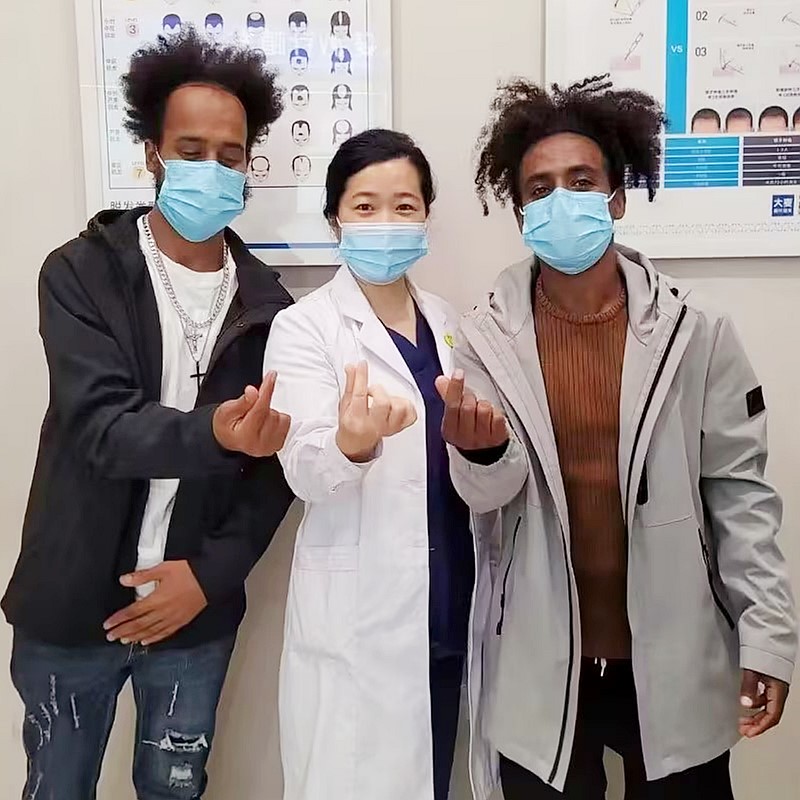
Satisfied patient with our medical team

Patient demonstrating their successful restoration
Real stories from real patients who chose Barley
"Growing up everyone said hair loss comes from your mom's dad, so I thought I was safe — my maternal grandpa had a full head into his 80s. But this article finally set it straight: it's BOTH sides, not just the X chromosome. My dad's mom was completely bald on top by 60. That's the side it came from. Knowing it was classic AGA let me start finasteride at 26 instead of guessing. Five years in, I've basically frozen my Norwood at 2."
"I did one of those direct-to-consumer hair loss DNA tests and it flagged a high polygenic score for androgenetic alopecia, plus the AR gene variant on my X. Barley's trichologist walked me through the actual science: the test tells you RISK, not destiny, and 5α-reductase inhibitors like finasteride work by literally blocking the DHT that those genes make your follicles sensitive to. I've been on 1 mg daily for 3 years and my scalp photos look identical — no progression at all."
"Everybody in my family has hair — both my parents, my two younger sisters, even my mom's brothers. Nobody was bald except my dad's mom, my nonna, who wore a scarf my entire childhood. I figured it was just her and skipped her side entirely. By 32 I was Norwood 4. This article explains that grandmothers and grandfathers on BOTH branches matter for grandkids. I did 3,100 FUE grafts at Barley and started medication, and at month 10 the hairline looks like it did when I was 22. Worth knowing the full family tree."
Modern, comfortable clinics designed to put you at ease

Equipped with the latest technology

Relax in our comfortable waiting area

Certified sterile environment

Confidential and professional discussions
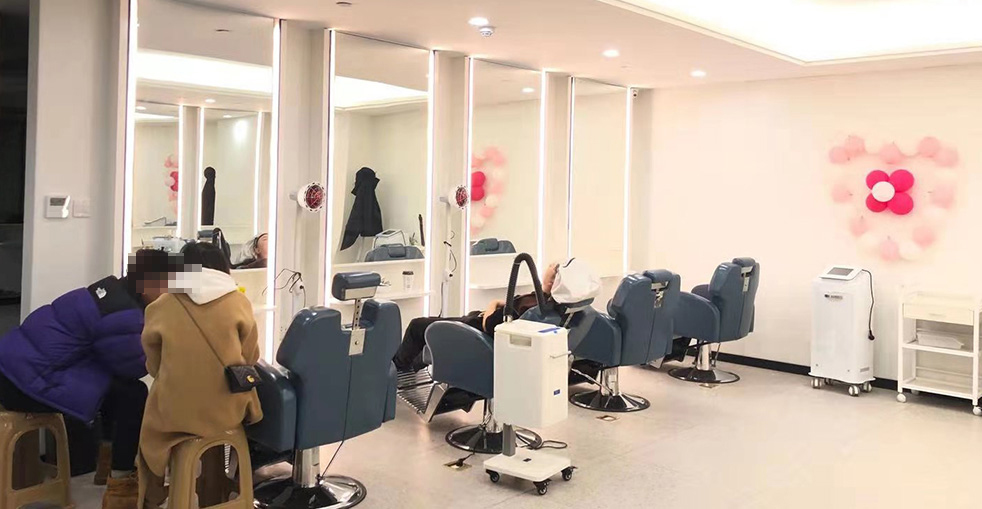
Relaxing space for post-procedure rest

Warm welcome from our team
Honest answers to the questions patients ask most
Click to copy contact information
Everyone's hair loss journey and solution are unique due to a variety of factors. Our hair restoration experts will assist you in determining the root cause and the best solution for your hair restoration plan.