Understanding daily hair loss

Does Daily Hair Loss Lead to Balding

Learn the difference between normal shedding and hair loss that requires treatment

Get Free Consultation
Hair loss assessment

Know the Signs Early

Early detection is key to effective hair loss treatment and prevention

Get Free Consultation
Expert hair restoration

Expert Solutions Available

Our specialists can help identify the cause and provide effective treatment

Get Free Consultation

Does Daily Hair Loss Lead to Balding

Understanding the difference between normal shedding and concerning hair loss

Schedule Free Consultation
-->

Does Daily Hair Loss Lead to Balding

Understanding the difference between normal shedding and concerning hair loss

To some extent, hair loss is normal, but when the amount of hair loss exceeds the normal range, it is concerning. A person loses 50 to 100 hair strands per day on average, which is not concerning. This range can vary depending on the individual and his/her age, lifestyle, genetics, and other such factors. Hair loss is usually nothing to be concerned about. However, if you're wondering if your daily hair loss will lead to baldness, this guide will help you understand when you should be concerned.

Does Hair Loss Lead to Baldness

The simple answer is No. However, when it comes to hair loss and going bald, there are numerous factors to consider. Understanding the difference between normal shedding and actual hair loss is key to determining your next steps.

Hair Shedding (Normal)

Telogen Effluvium is a type of temporary hair shedding that occurs due to unexpected circumstances such as giving birth, sudden weight loss, stress, or high fever. It usually lasts six to nine months before stopping on its own or with proper care.

Hair Loss (May Need Treatment)

Alopecia is a more permanent hair loss that usually requires medical and hair restoration procedures to reverse. Not all hair shedding results in baldness, but genetic Male Pattern Baldness and Female Pattern Baldness typically require intervention.

Genetic Hair Loss: If hair loss runs in your family, you may experience a receding hairline (men) or thinning hair (women). Without treatment, this type of hair loss can lead to baldness.

Other Factors: Stress, medication side effects, hormonal changes, and lifestyle factors such as sudden weight loss or excessive use of styling tools can also weaken hair and contribute to hair loss.

When to Seek Help: Normal hair loss almost never leads to baldness. However, if you notice abnormal amounts of hair loss, consult a professional who can assess the root cause and recommend a treatment plan.

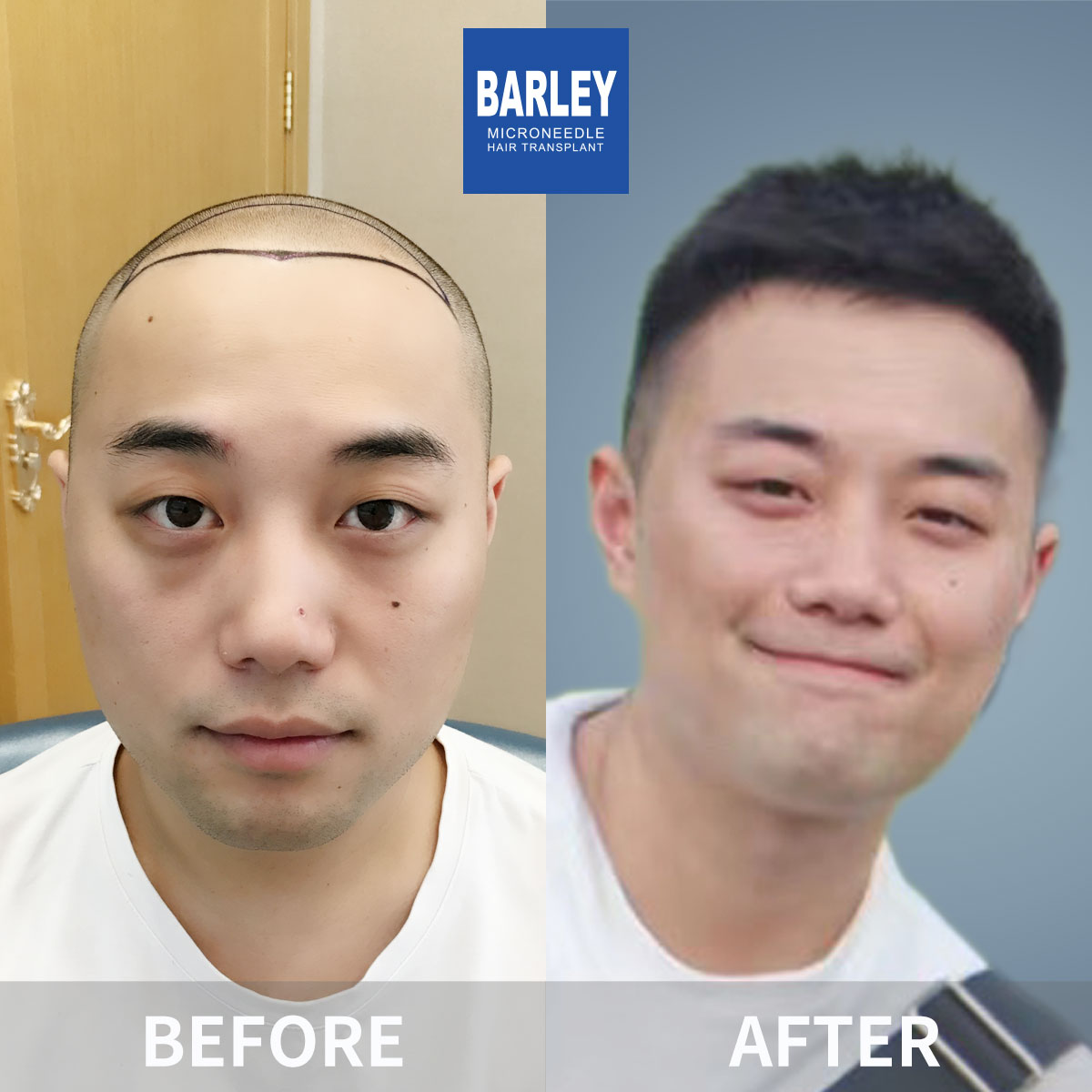
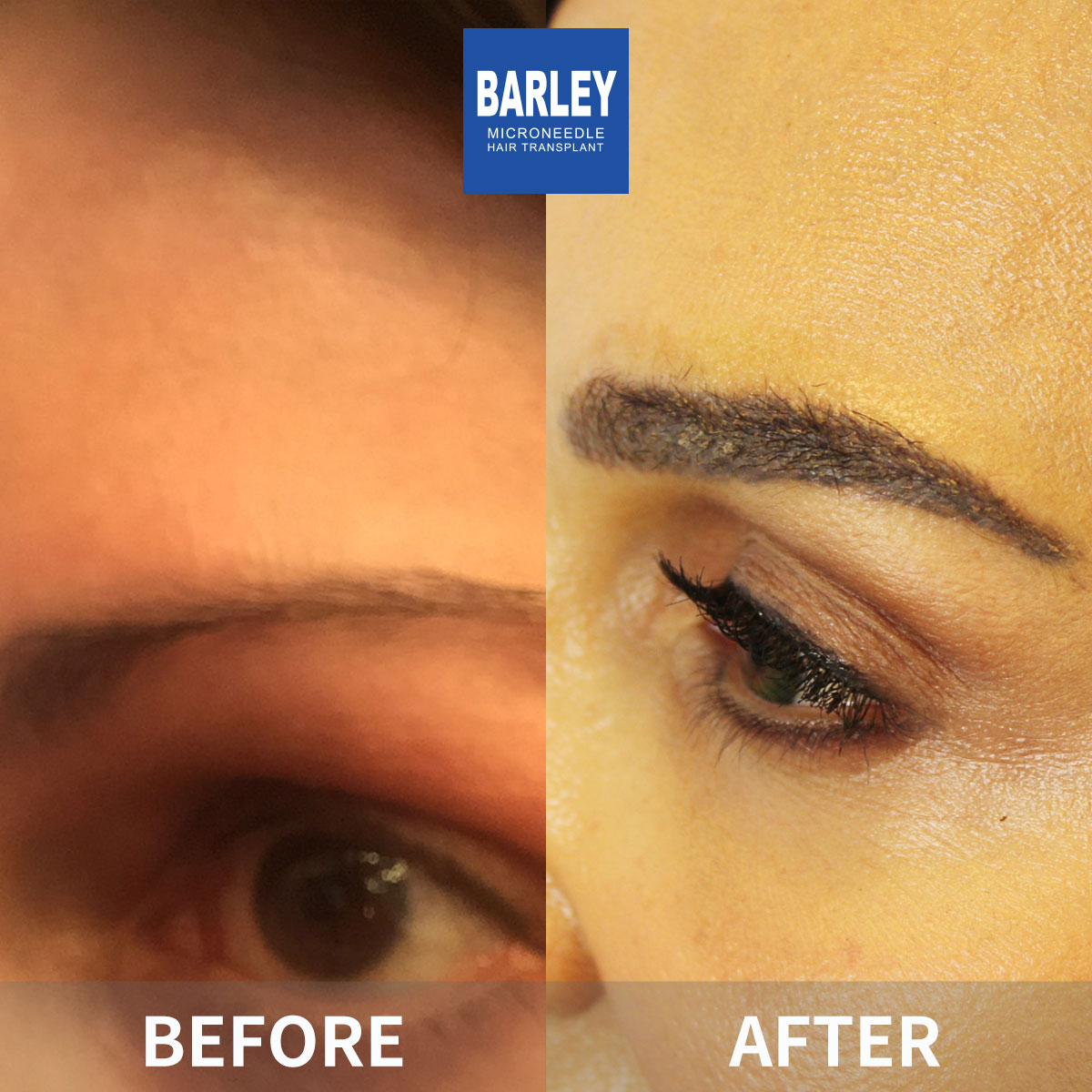
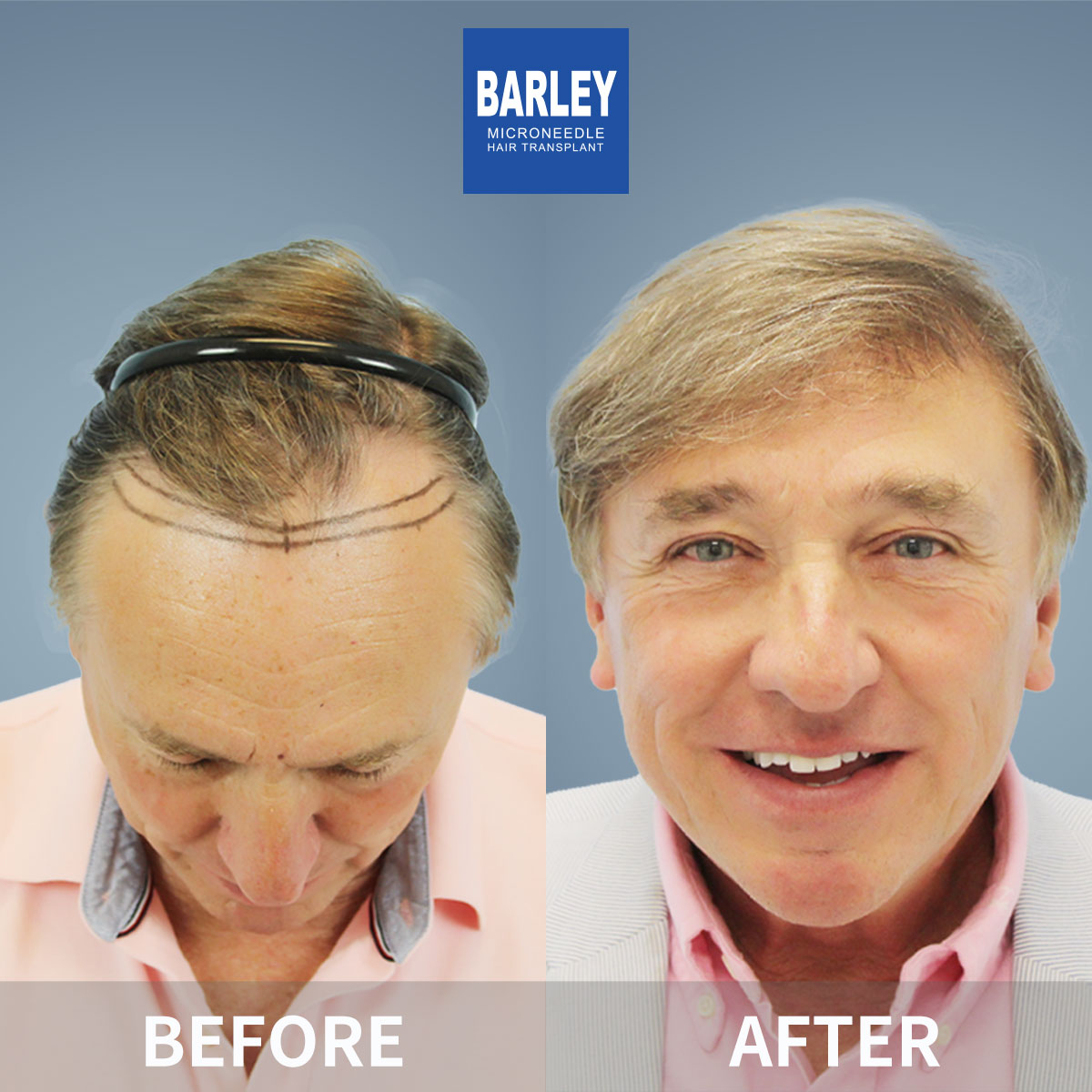
Barley Microneedle Treatment for Hair Loss

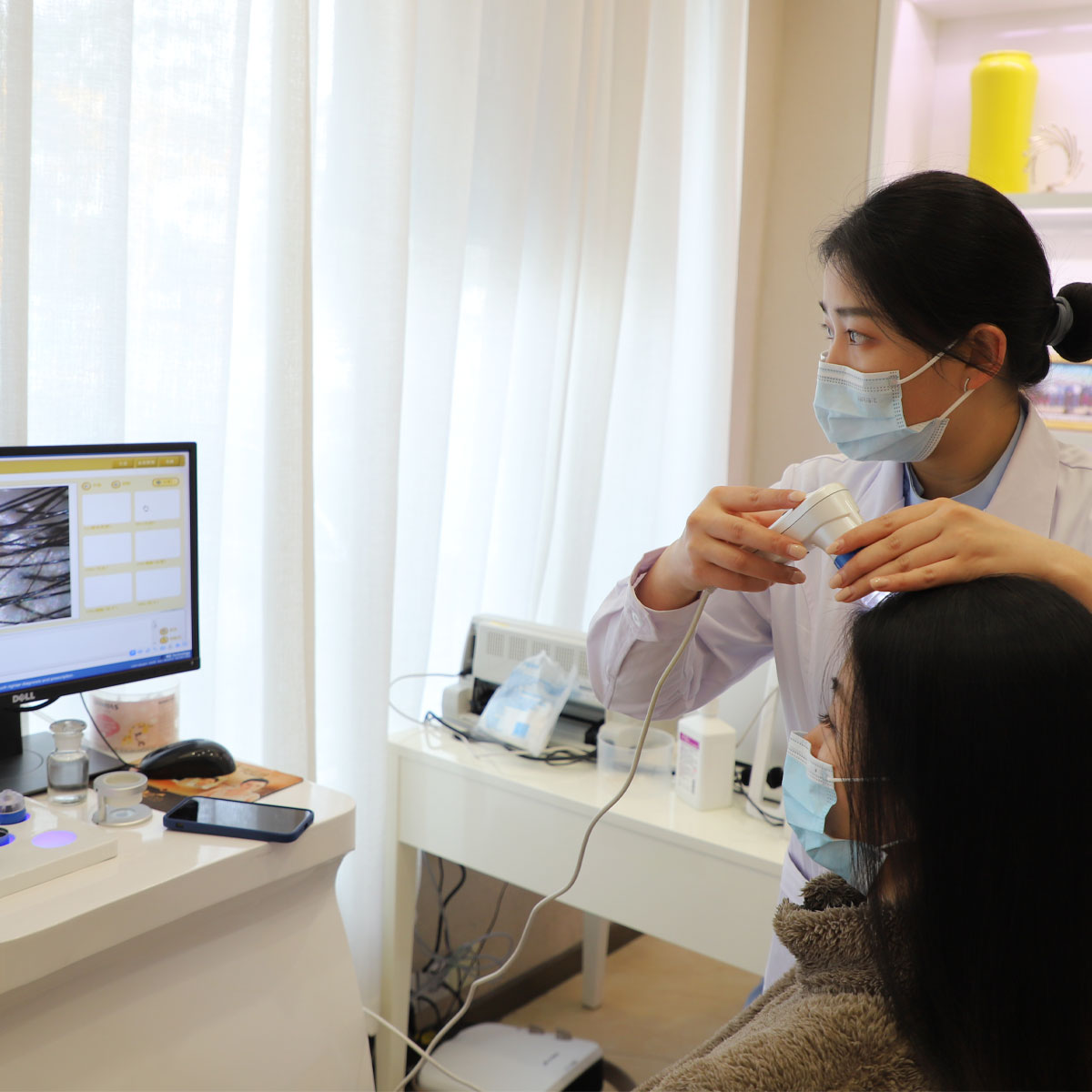
If you are experiencing an unusual amount of hair loss and are concerned that it will result in baldness, consult hair restoration experts. When you visit Barley Microneedle hospitals, our first priority is to thoroughly assess your hair loss level using the Hamilton-Norwood Scale (men) and Ludwig Scale (women).

1

Assessment

Comprehensive evaluation of hair loss level and cause

2

Personalized Plan

Custom hair restoration plan based on your needs

3

Microneedle Procedure

Advanced Implanter technology for natural results

4

Natural Results

360-degree control for optimal density and direction

Our Microneedle methods' Implanter technology allows Barley doctors to control the density and direction at 360 degrees angles, resulting in natural hair restoration.

Concerned About Your Hair Loss

Contact us for a professional assessment and personalized treatment plan

WeChat

15810155700

WhatsApp

+86 13730143529

Amazing Transformations

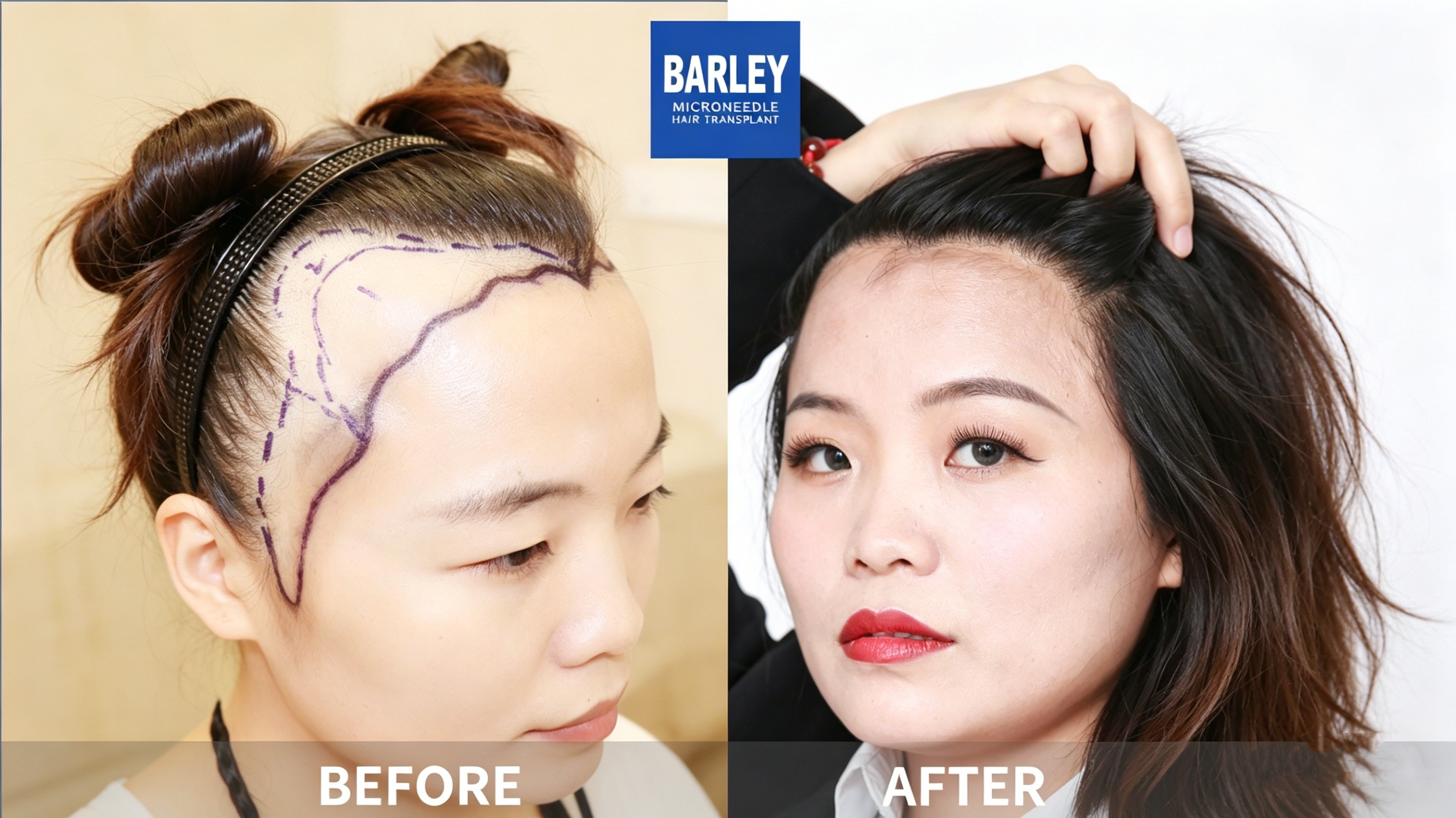
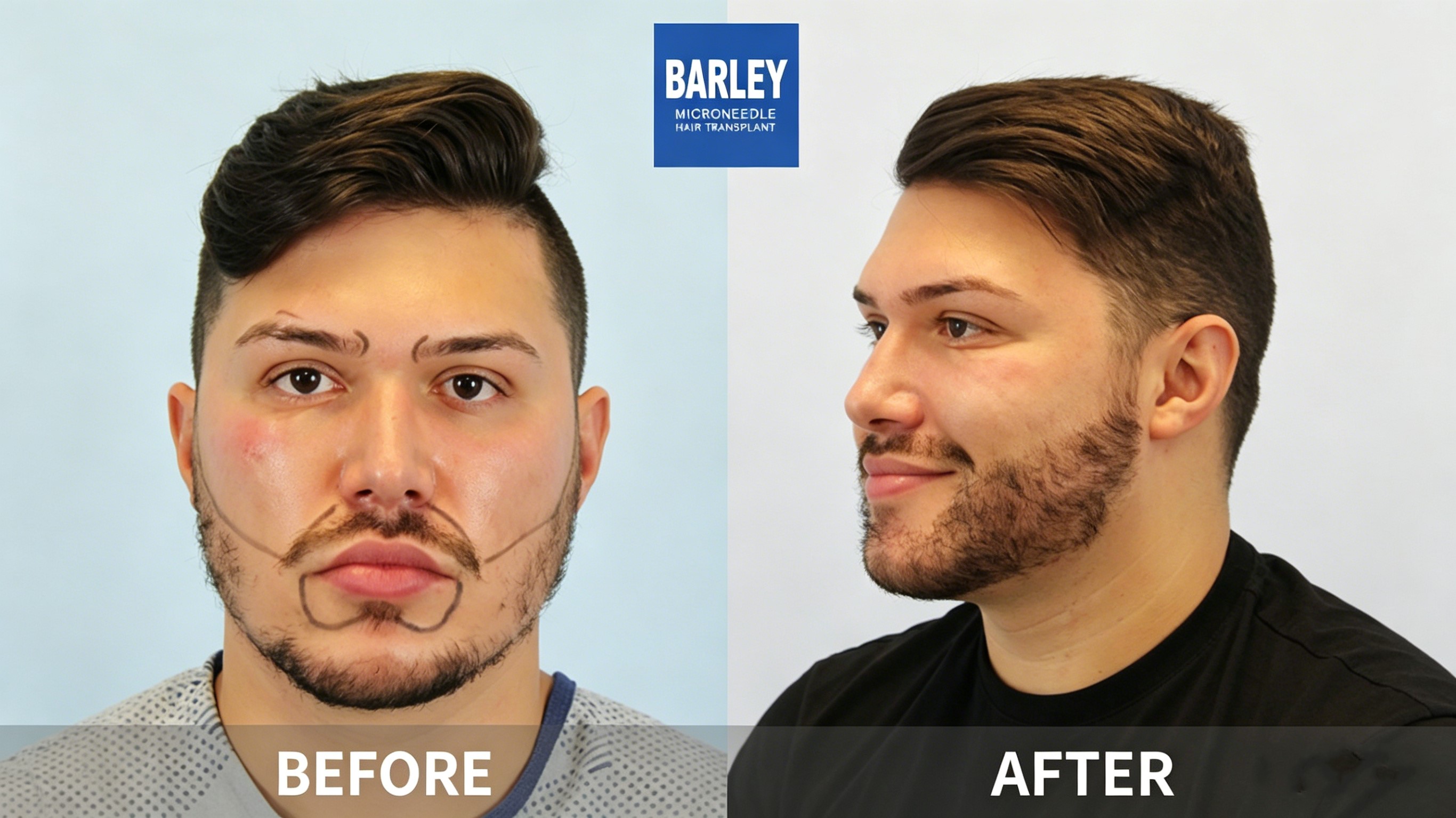
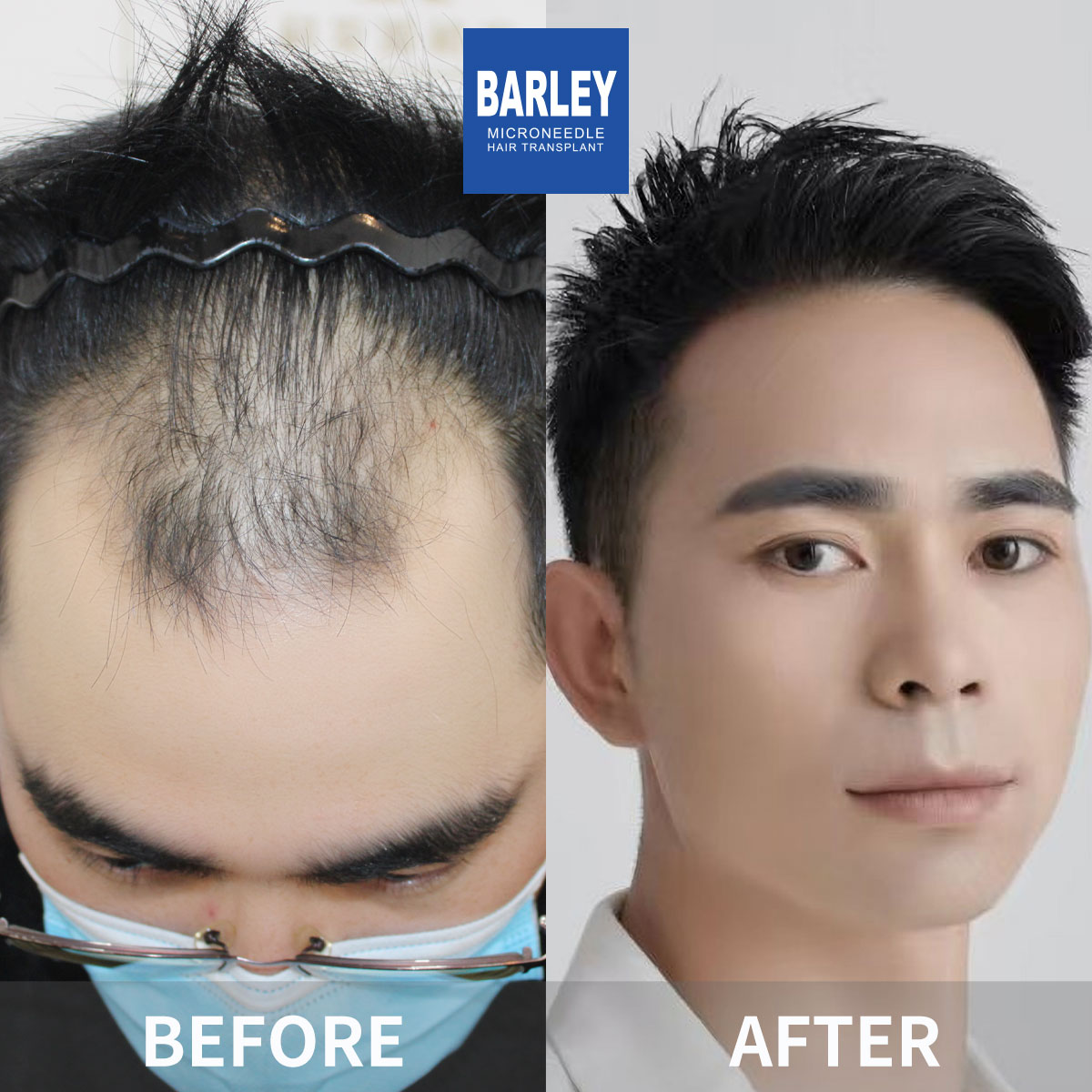
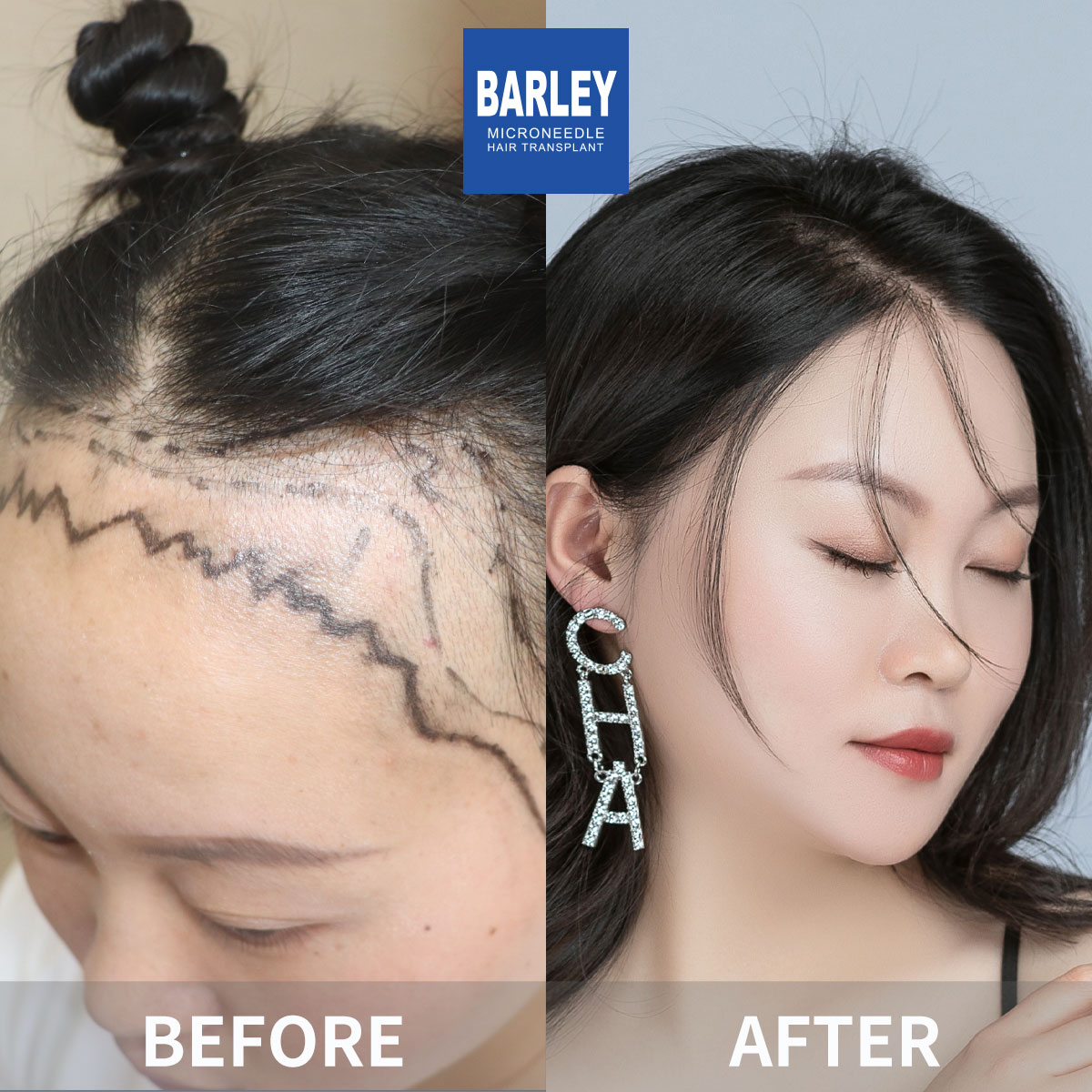
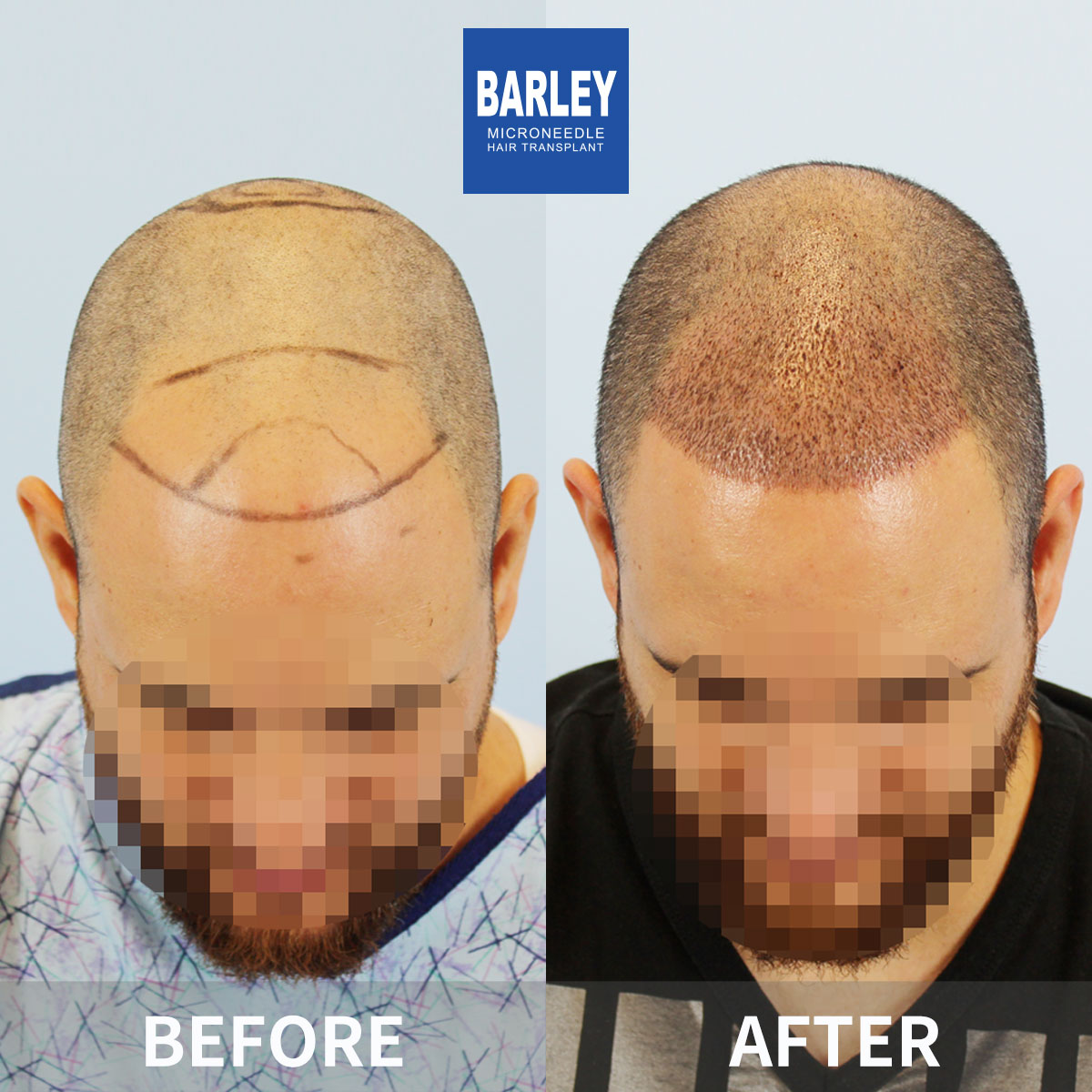
See the results that have earned our patients' lasting confidence
Our Satisfied Patients

Real patients, real confidence restored

Satisfied patient

Thrilled with Results

Patient proudly showing their natural-looking outcome

Patient journey

Transformation Complete

Patient celebrating their remarkable new look

Happy patient

Newfound Confidence

Patient showcasing their refreshed, natural hairline

Success story

Dramatic Change

Patient revealing their impressive transformation

International patient

Trusted by International Patients

Overseas visitor delighted with results

Patient testimonial

Outstanding Results

Patient thrilled with their beautiful new hair

Patient story

Wonderful Experience

Satisfied patient with our medical team

Patient outcome

Impressive Transformation

Patient demonstrating their successful restoration

Patient Testimonials

Real stories from real patients who chose Barley

"For three months I'd count every hair in my shower drain, convinced 80 strands a day meant I was two weeks from full baldness — I'd binged every fear-mongering TikTok account. This article finally taught me the pull test: gently tug 20 hairs at the crown, if less than 6 come out you're fine. Mine was 3, every time. I've stopped counting, stopped panicking, and just started using a gentle scalp scrub twice a week. My mental health alone is worth the read."

IB

Idris Bakri

Malaysia

"Every autumn for two years I'd lose twice as much hair in October and spiral thinking this was the year it all fell out for good. This article explains seasonal telogen effluvium — basically, extra sunlight in summer boosts anagen, then those hairs all cycle out together 3 months later. I finally got a trichoscope check at Barley in November. Zero miniaturization, just the normal fall shed. I'm 38, my grandmother had a full head at 82, I can relax now."

GH

Greta Holzner

Austria

"The thing nobody tells you is that shed count alone doesn't matter — it's the QUALITY of the hairs coming out. This guide broke it down: normal shed hairs are uniform thickness with a tiny white club root, miniaturized hairs are thin, wispy, half the length of the rest. I compared my brush hairs, saw zero miniaturization, and canceled the panic appointment I'd booked. I did still book a baseline consult with Barley six months later just to have a photo record, but it was 100% reassurance over emergency."

MR

Mateo Rivas

Argentina

Our Clinic Environment

Modern, comfortable clinics designed to put you at ease

Clinic facility

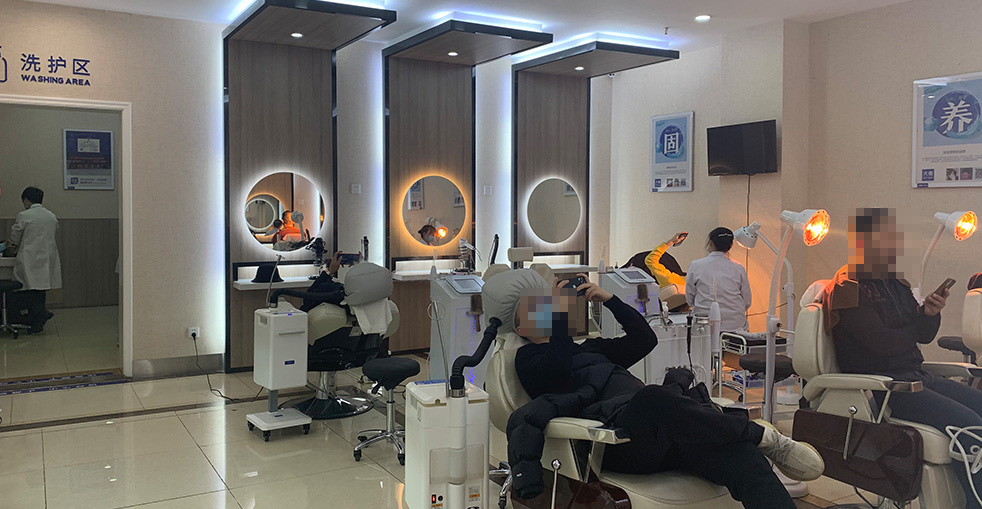
State-of-the-Art Clinic

Equipped with the latest technology

Waiting area

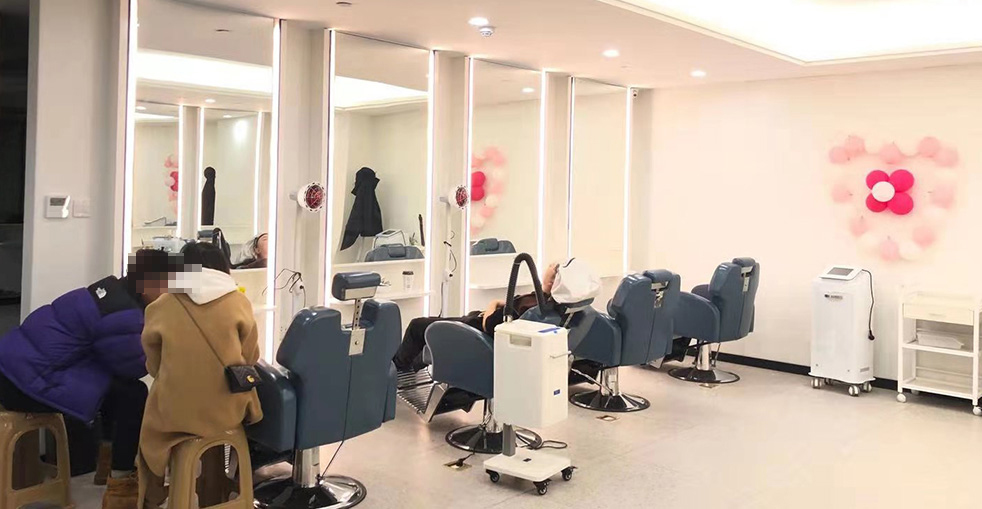
Premium Lounge

Relax in our comfortable waiting area
Operating room

Advanced Operating Suite

Certified sterile environment

Consultation room

Private Consultation Space

Confidential and professional discussions
Recovery area

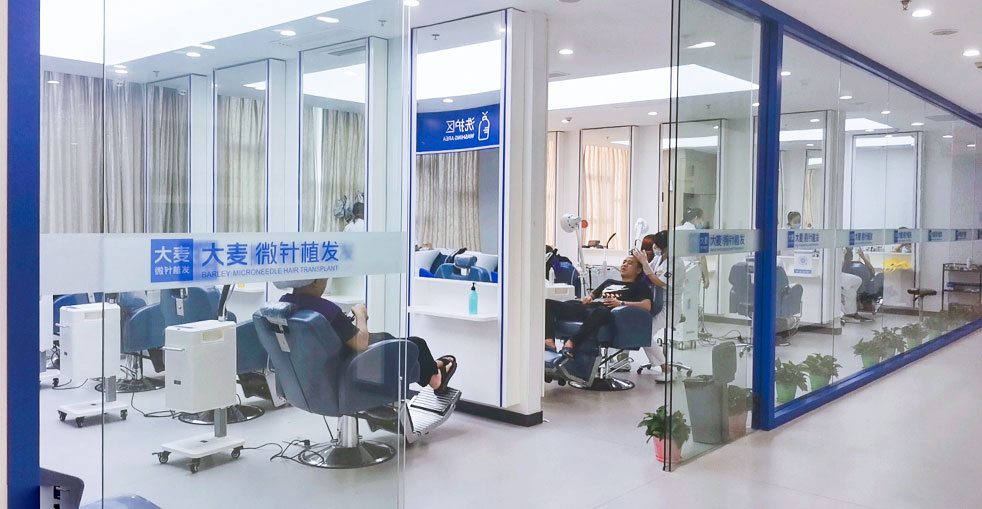
Comfortable Recovery Zone

Relaxing space for post-procedure rest
Reception

Elegant Reception

Warm welcome from our team

Frequently Asked Questions

Honest answers to the questions patients ask most

How many hairs lost per day is actually considered normal
The baseline number most studies cite is 50–100 scalp hairs shed per 24-hour period for a healthy adult, with 70–80 being the sweet spot for people with medium density. This number is a range, not a hard cutoff: someone with 120,000 total hairs can safely shed 120/day and still be within 0.1% daily turnover, while someone with naturally fine, sparse hair might panic at 60/day even though it's proportional. The red flag is not a single number — it's a sustained 2x jump from YOUR personal baseline that lasts 6+ weeks.
Is it normal to shed way more hair in autumn or spring
Yes, seasonal shedding spikes are extremely well-documented in Northern hemisphere populations. Peak shed months are usually October–November (fall shed) with a smaller secondary peak in April. Why? Longer daylight hours in late summer push a larger batch of follicles into anagen (growth), then exactly 90 days later those same follicles synchronously flip to telogen (rest) and fall out together. In most people this shows up as 1.5–2x normal shed for 4–6 weeks and then returns to baseline. It is NOT a sign of impending baldness — it's photoperiod biology, same as dogs blowing their coat.
What is the hair pull test, and how do I do it correctly at home
The pull test is the cheapest at-home screening tool you have and it takes 10 seconds. Instructions: pick a 1-inch section of hair on top, hold it firmly at the root between thumb and index finger, then slide your fingers firmly down the shaft toward the ends in one slow, steady motion. Count any hairs that came out. Do this in 4 different spots on the scalp. Interpretation: 0–2 hairs per pull = totally normal. 3–5 hairs per pull consistently across 4 spots = possible telogen effluvium, track for 2 weeks. 6+ hairs per pull repeatedly = go get a trichoscopy, that's not normal shed.
If the shed hairs have a little white bulb at the root, is that bad
White bulbs are normal, expected, and actually a sign that the hair finished its full growth cycle and fell out at the correct time — not a sign of damage. The white blob is the keratinized club root that forms naturally when a telogen follicle releases a hair. What would actually worry you is if shed hairs have NO bulb at all (meaning they broke off mid-shaft from chemical damage or over-processing) or if the bulb is tiny, narrow, and the hair shaft itself is pencil-thin (that's miniaturization from androgenetic alopecia, not normal cycle shed).
I lose SO much more hair in the shower — is that the start of balding
Shower shed is almost always normal and massively over-counted because you're collecting 1–2 DAYS worth of loose hairs all at once, not just what came out during the wash itself. Normal hairs that were ready to fall sit loose in the scalp sebum until something mechanical — shampooing, brushing, towel drying — actually dislodges them. The real test is: do you see miniaturized thin/short hairs mixed in, and does the density of your ponytail actually change over 3+ months? If it's just shower clumps and your part width hasn't moved, relax. You can reduce the visual scare factor by brushing your hair thoroughly BEFORE stepping into the shower.
How do I tell apart telogen effluvium shedding from early pattern baldness
Three quick checks. Pattern 1: TE sheds EVERYWHERE — sides, back, nape, temples, crown, all equal. Early AGA sheds ONLY in the androgen-sensitive zones: temples, vertex, part line, never the occipital nape. Pattern 2: TE hairs coming out are all roughly full thickness, same caliber as each other, with white bulbs. Early AGA has a mixed population — some thick, some wispy, some vellus-like. Pattern 3: TE onsets 2–4 months after a trigger event (fever, surgery, crash diet, breakup, new job). Early AGA creeps up over 18+ months with no obvious trigger and gets progressively worse every year. If you still can't tell, a 5-minute trichoscope magnification at Barley shows miniaturization ratio instantly.
Can stress-related hair shedding actually grow back on its own
Pure stress-triggered telogen effluvium has a 95%+ full spontaneous recovery rate, provided the stressor actually stops and you don't develop a secondary chronic cycle. Timeline: the shed starts 2–3 months after the stress peak, peaks at months 4–6, and then new regrowth (fine, short, wispy baby hairs at the hairline and temples) becomes visible around months 6–9. Full density recovery usually takes 12–18 months. You can speed it up by 2–3 months with 5% minoxidil foam nightly + PRP if you want, but it's not strictly necessary. The only time it becomes permanent is if the chronic stress never ends and you also have undiagnosed genetic predisposition — then the TE just unmasked the AGA that was going to show up anyway.

Contact Us

Click to copy contact information

WeChat

15810155700

WhatsApp

+86 13730143529

WeChat QR Code

Get Free Consultation

About Barley

Established by a team of doctors with 31 branches in China's major cities, Barley Microneedle Hair Transplant Hospital has always been pursuing the best technology, better quality and more safety to help you with all kinds of hair loss problems.

You Might Also Want to Know

Everyone's hair loss journey and solution are unique due to a variety of factors. Our hair restoration experts will assist you in determining the root cause and the best solution for your hair restoration plan.

Hair Transplant Consultation