Beard Transplant Results - Professional Service

Real Beard Transplant Results

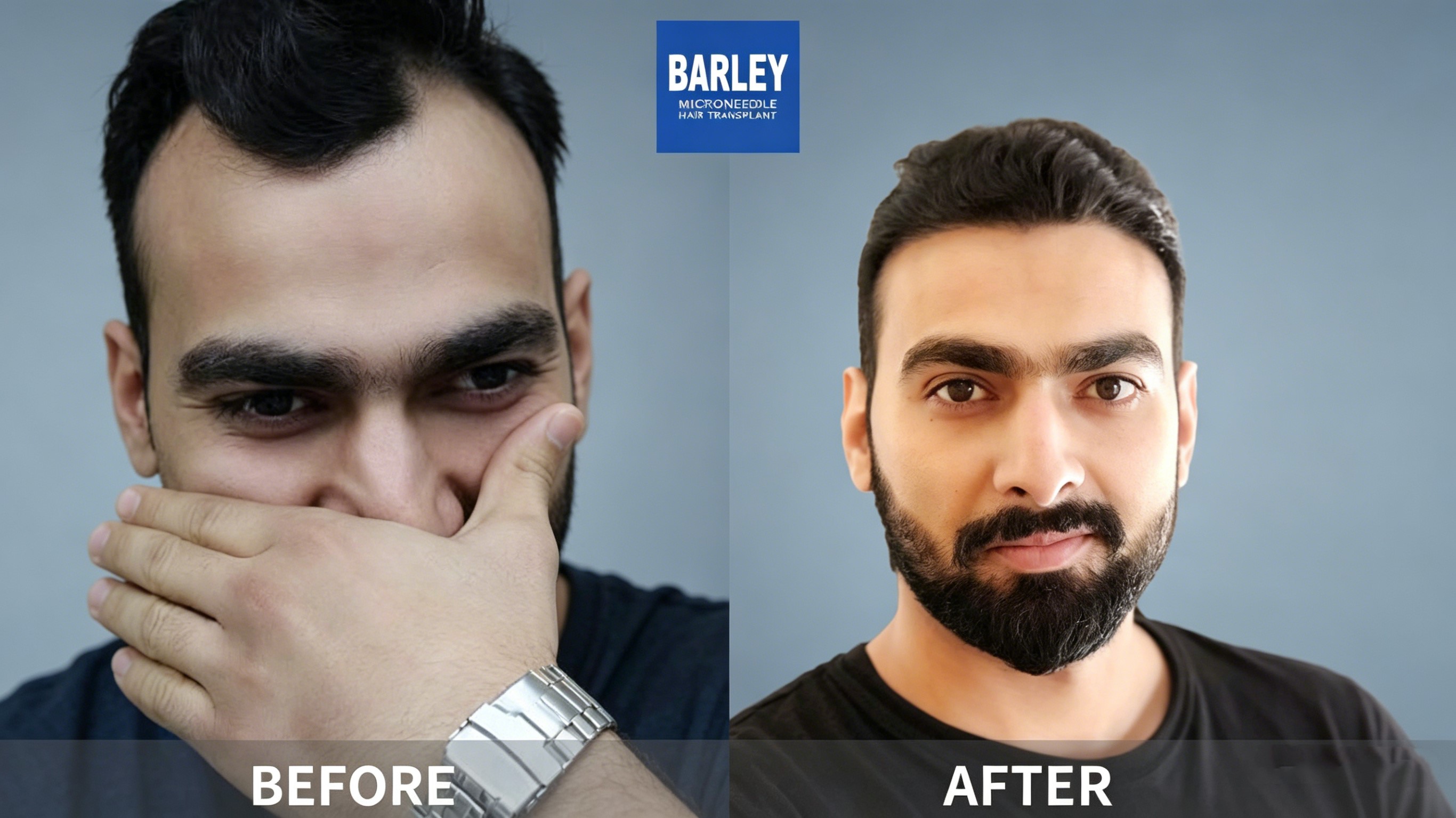
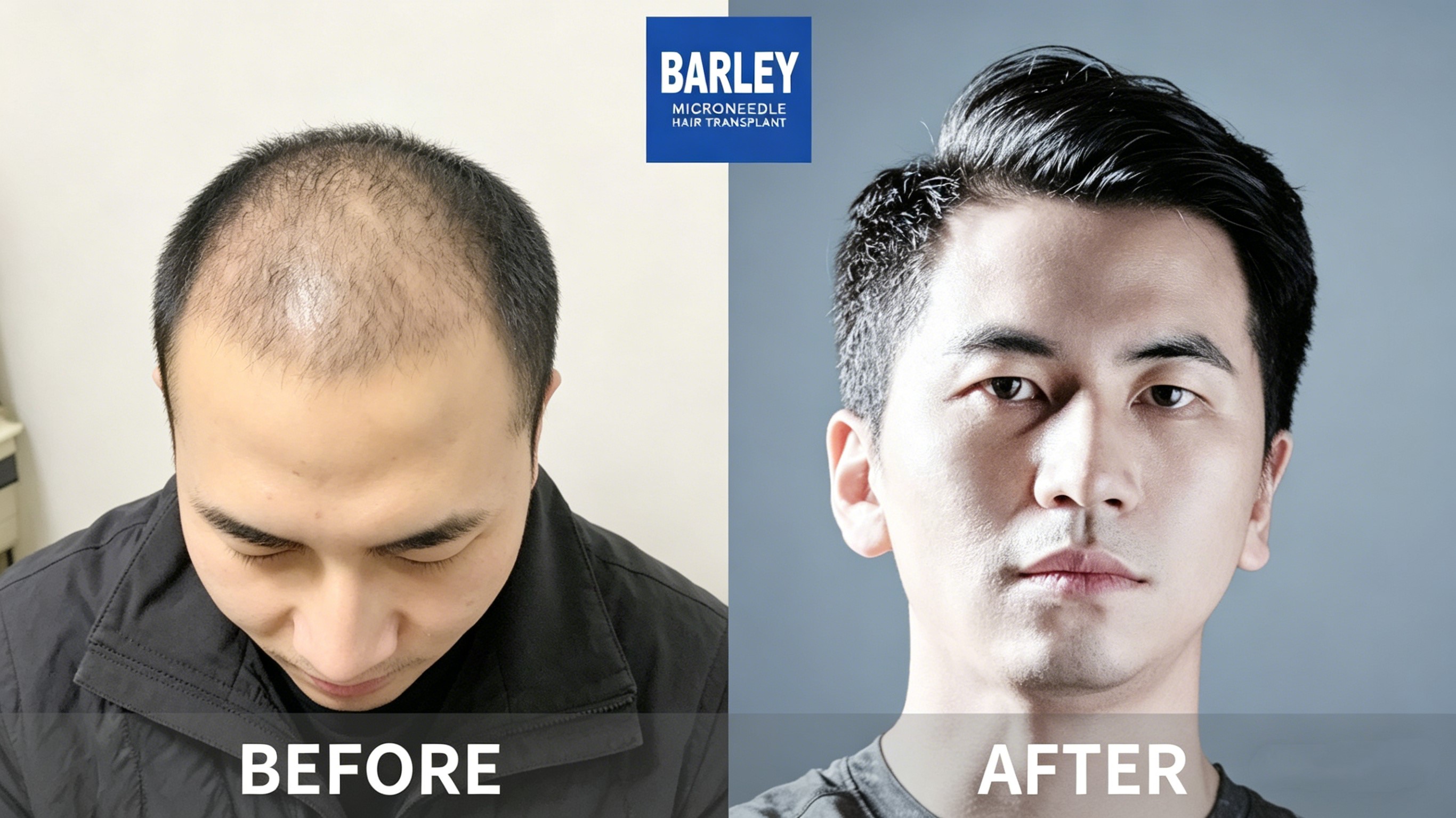
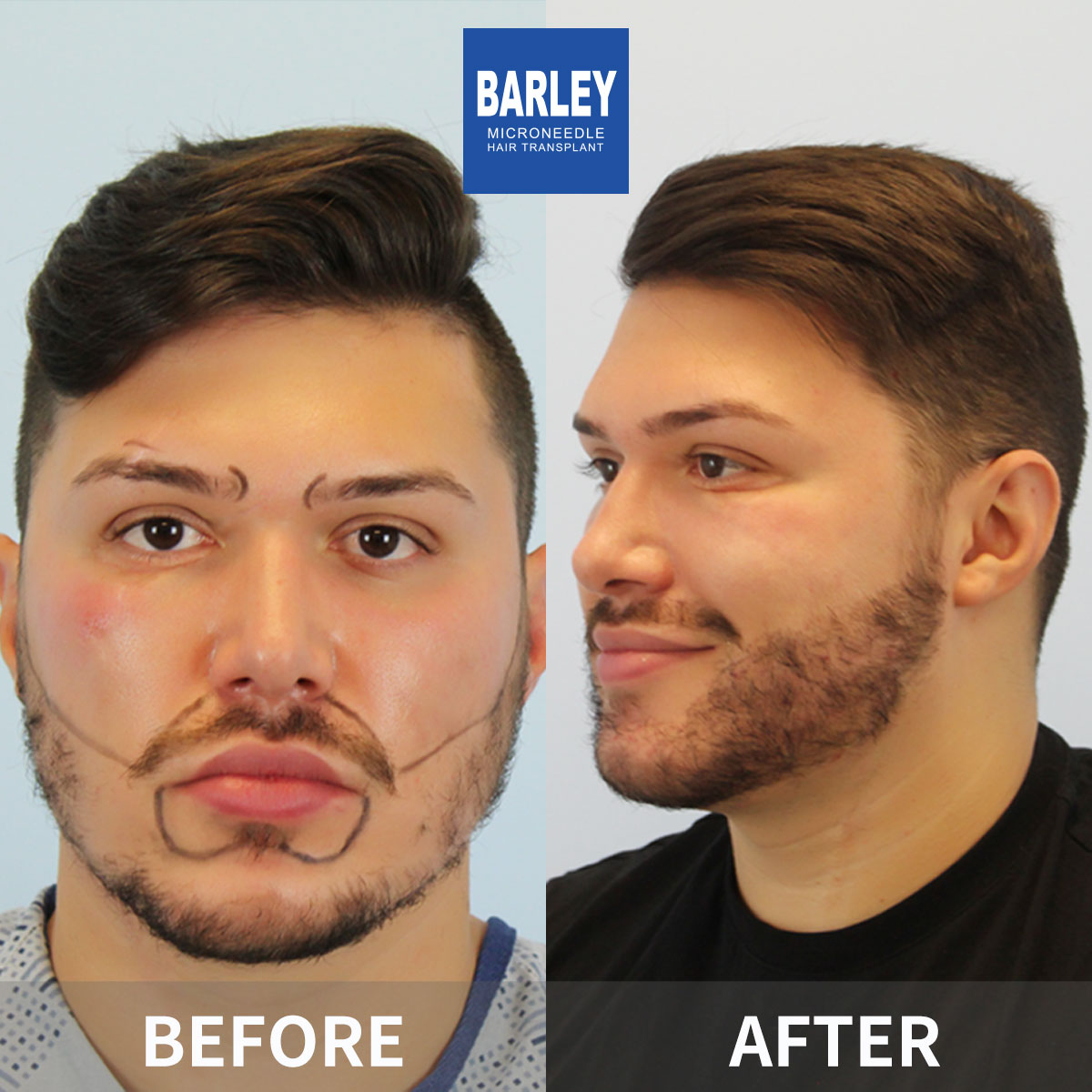
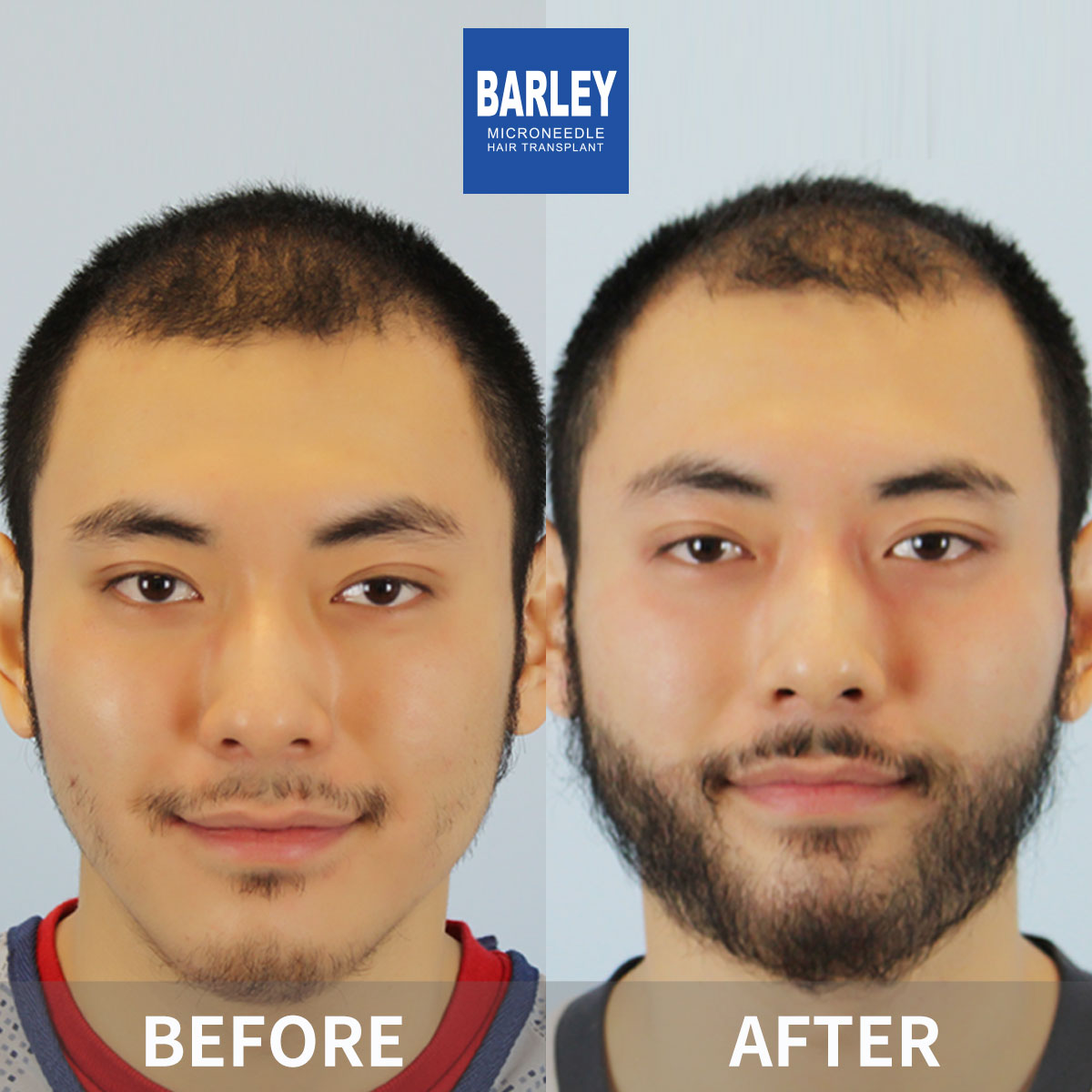
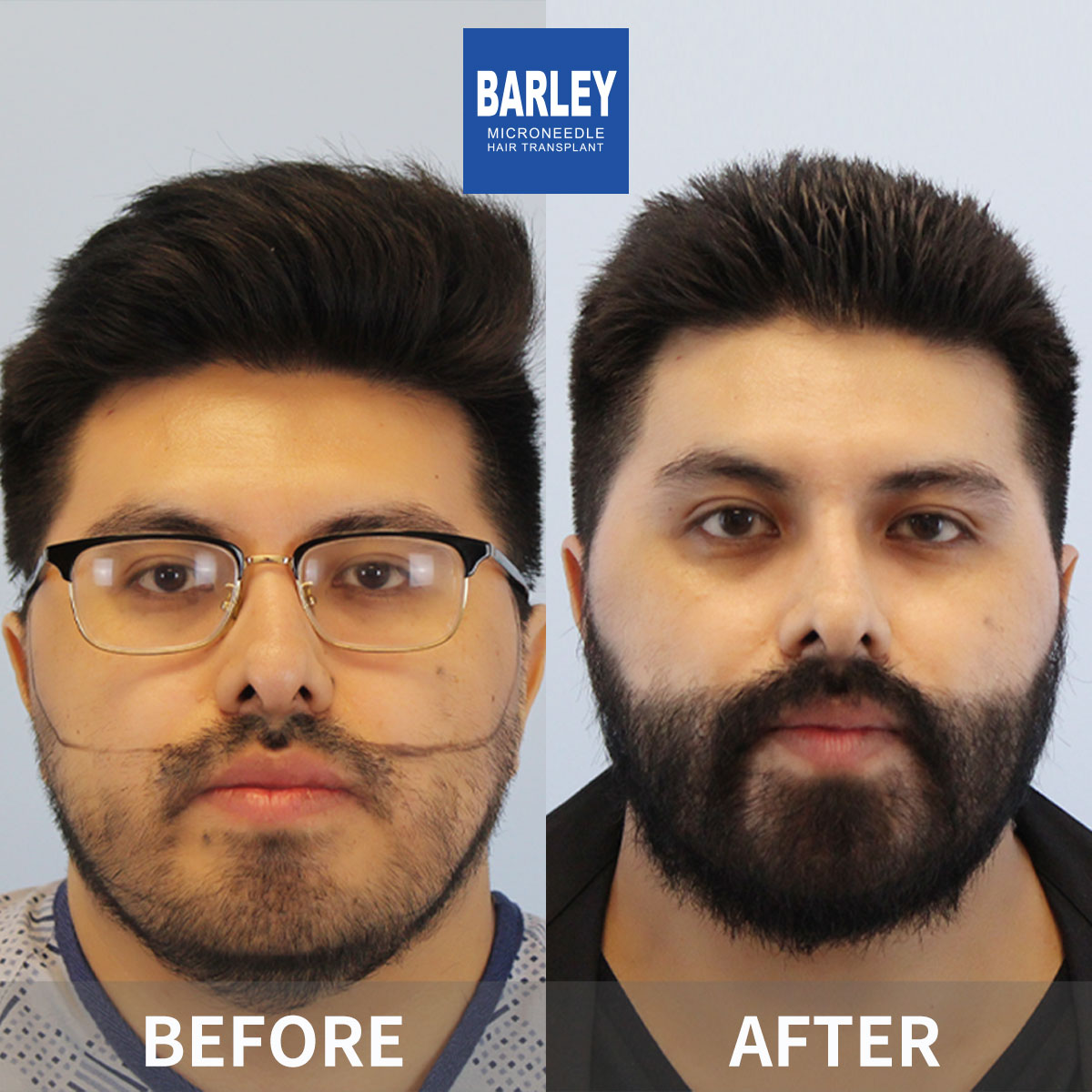
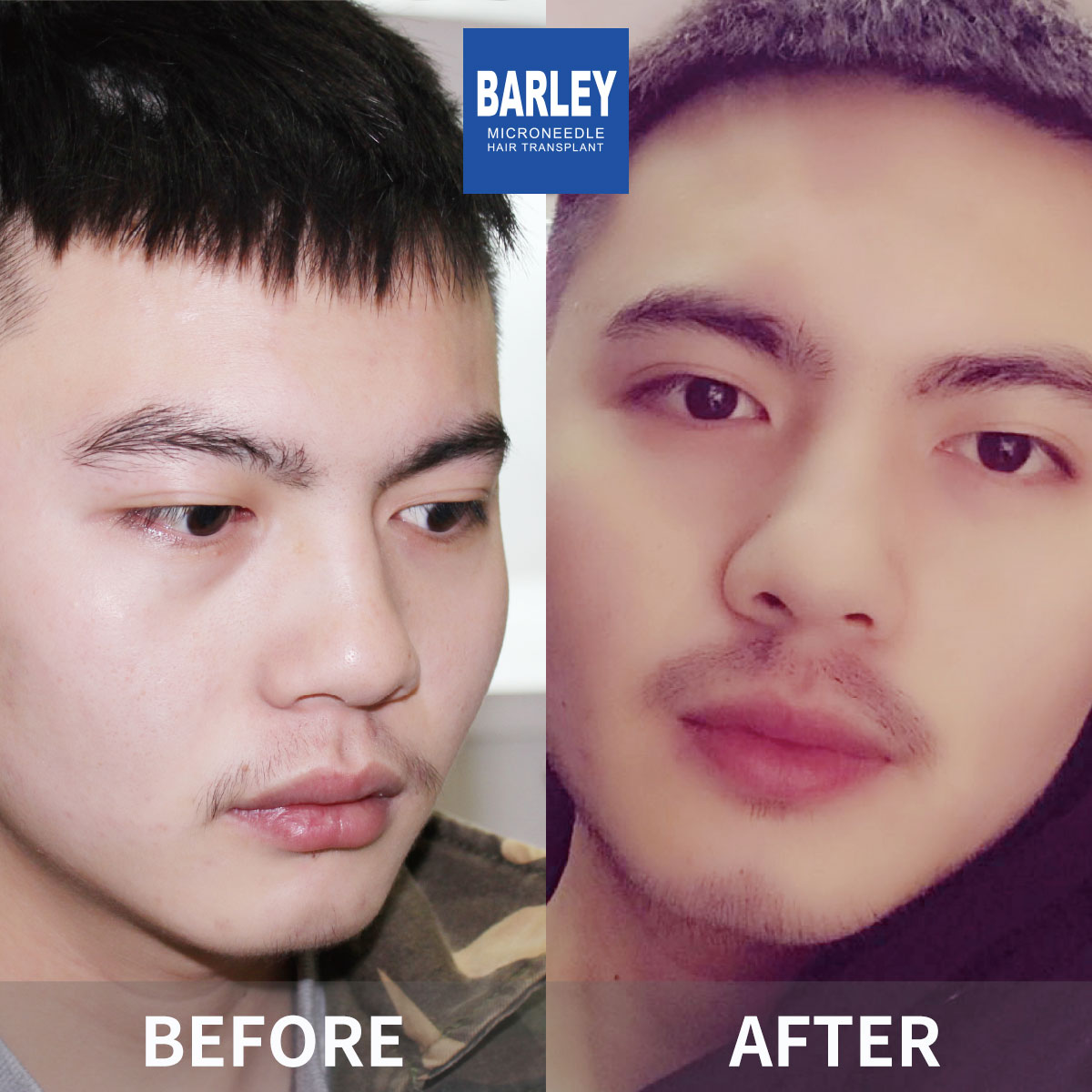
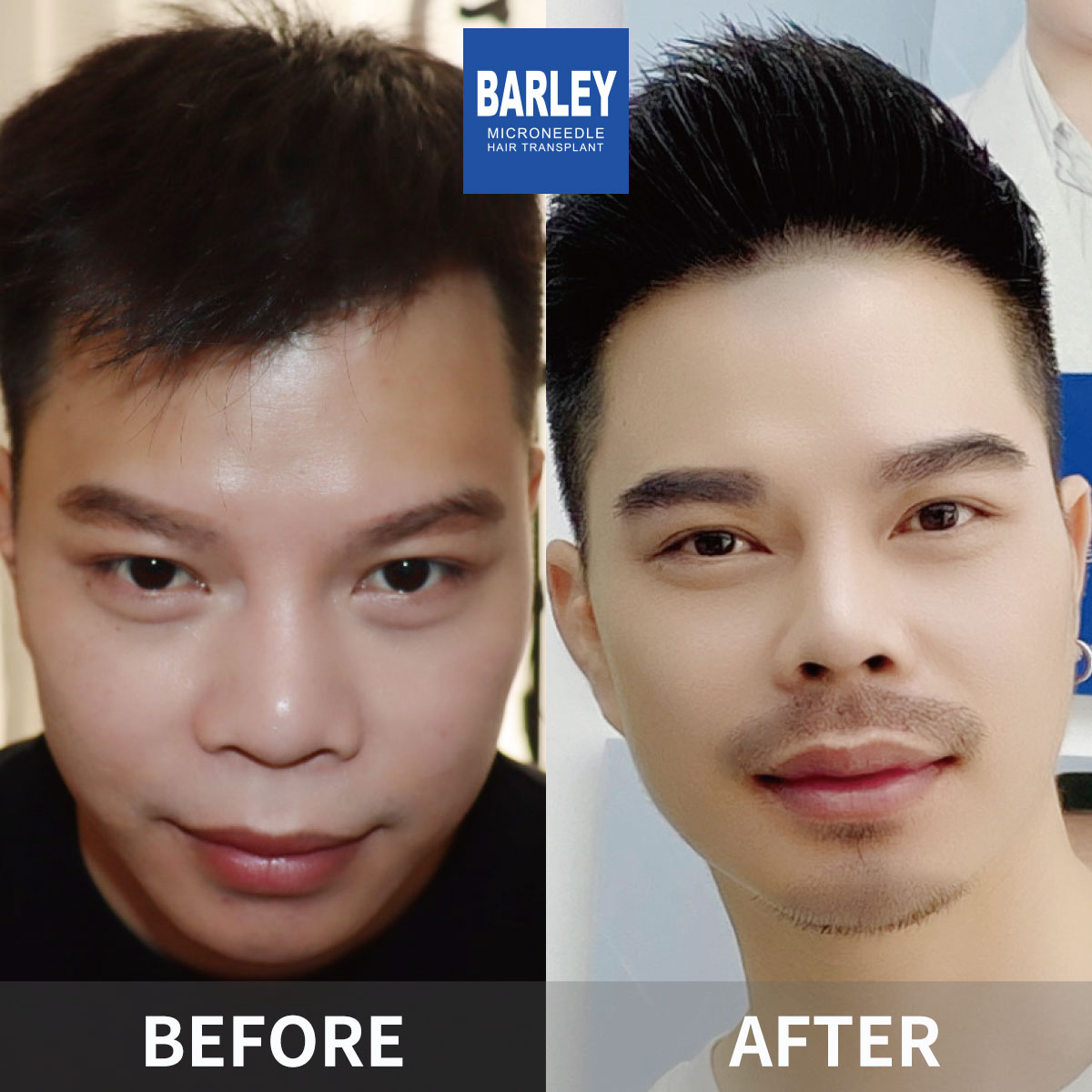
See authentic before-and-after transformations from real patients who achieved their dream beard with Barley Hair Transplant Hospital.

Get Free Consultation
Beard Transplant Results - Proven Outcomes

Natural-Looking Beard Restoration

Browse through successful cases showcasing full, natural beard results using advanced FUE techniques.

Get Free Consultation
Beard Transplant Results - Permanent Solution

Permanent Facial Hair Solution

Every result demonstrates our commitment to natural, permanent beard restoration that grows like real facial hair.

Get Free Consultation

Beard Transplant Before & After Gallery

Explore our collection of real patient results showcasing successful beard restoration. Each case demonstrates the effectiveness of our advanced FUE beard transplant techniques, delivering natural-looking, permanent results.

Why Choose Barley

Benefits of Beard Transplant at Barley

Discover why thousands of patients trust us with their beard restoration

Natural-Looking Results

Our advanced FUE technique ensures your new beard grows naturally, blending seamlessly with existing facial hair.

Permanent Solution

Transplanted hair follicles are resistant to DHT, ensuring your beard remains full and thick for life.

Custom Beard Design

Our surgeons work with you to design a beard shape that complements your facial structure and personal style.

Minimal Downtime

Most patients return to normal activities within 2-3 days, with full recovery in about 10 days.

Expert Surgeons

Our team has performed thousands of beard transplants with industry-leading satisfaction rates.

Affordable Pricing

Get world-class beard restoration at competitive prices, with transparent pricing and no hidden fees.

How It Works

Beard Transplant Process

Understanding your journey from consultation to final results

1

Consultation

Meet with our specialists to discuss your goals, assess donor area quality, and design your ideal beard shape.

2

Preparation

The donor area (typically back of scalp) is trimmed and prepared. Local anesthesia is administered for comfort.

3

Extraction

Individual hair follicles are carefully extracted using advanced FUE microneedle technology.

4

Implantation

Follicles are precisely implanted into the beard area at natural angles and directions for optimal growth.

5

Recovery

Minimal downtime with most patients returning to work within 2-3 days. Full results visible in 6-12 months.

Patient Stories

What Our Beard Transplant Patients Say

Real experiences from real patients who achieved their dream beard

"

"I went in wanting a full Van Dyke goatee connected to my mustache — my genetics only gave me patchy cheek growth and a disconnected chin. The case photos on this page were almost exactly my situation. I took month-by-month selfies: at month 3 the stubble was popping through, month 6 I had a short beard, month 9 I could finally grow a proper goatee that connects. My girlfriend says she can't tell which follicles are transplanted. Shaving with a razor doesn't pull them out at all."

Patient

Tristan Ashworth

South Africa

"

"For 15 years I only shaved clean because any stubble made my patchy jawline look ridiculous. I compared my pre-op photo to the cases here and picked the exact density I wanted. 2,300 grafts for full cheek-to-sideburn connection. The growth direction placement was so precise that by month 7 the 5 o'clock shadow blends perfectly. I run my hand against the grain and there's no weird angle. The team sent me the surgical photos the same day and everything matched the final result — it's definitely me in the shots."

Patient

Kenji Watanabe

Japan

"

"My wife encouraged me to do it — she hated the patchy soul patch area that never grew in properly. I documented day 10, day 45, month 4, and month 8. The shock loss at week 3 worried me but the doctor explained it was normal. At month 5 the new follicles started growing in the correct downward angle and my mustache finally connects cleanly to the chin. Colleagues at the office started asking where I got a better razor because my stubble suddenly looked sharp."

Patient

Gustavo Mendes

Portugal

"

"I wanted a heavy full lumberjack beard — sideburns connected to the jaw, thick mustache, and dense goatee. The before photos of patient #28 mirrored my thin cheeks exactly. The surgeon took extra grafts from my neck donor zone because my beard donor was limited. I shave against the grain now with a safety razor and the implanted hairs stay rooted exactly like native ones. My partner says the stubble feels the same texture on every area. At month 11 I finally look like I actually can grow a beard."

Patient

Finnbar O'Sullivan

Ireland

"

"I'm half Lebanese and half Mexican but somehow inherited my mom's no-beard genes. I tried minoxidil for two years and only got vellus fuzz. The cases here convinced me — specifically patient #41 who had similar skin tone and sparse growth. 1,900 grafts targeted my upper lip philtrum columns and my jaw-to-sideburn gap. I've trimmed my mustache with clippers twice now, and the direction the implanted hairs lie is indistinguishable from the natural ones. The case album photos they showed me before surgery were genuine patients, I met one in the waiting room actually."

Patient

Jad Haddad

Mexico

FAQ

Frequently Asked Questions

Honest answers about what you can realistically expect

After how many months does a beard transplant show its final, mature result?
You should allow a full 12 months to judge the final shape and density. Month 4 brings the first visible stubble from the newly awakened follicles. Month 6–8 is the rapid lengthening phase where 60–70% of the grafts are actively producing longer hair and the overall silhouette becomes obvious. Month 9–10 the texture coarsens to match native beard hair, and by month 11–12 any lagging late bloomers finish coming through. Patients who want a second density touch-up typically book it at the 13-month mark.
How close will my result match the density shown in the case photos?
The case galleries display patients in roughly the 75th–90th percentile of outcomes, not the average. Your achievable density depends on three variables: how large your native safe donor beard zone is under the jawline and on the neck, how lax your cheek skin is during implantation, and whether you have any underlying telogen effluvium or micronutrient deficiency. We provide a written "expected graft map" during consultation that splits your realistic result into conservative, moderate, and optimistic tiers so you know exactly what you can and cannot match from the photo examples.
Does a transplanted beard truly last for a lifetime, or does it thin out again?
Yes, it is permanent. All transplanted beard follicles are harvested from the androgen-resistant safe donor belt below the mandible and upper neck — follicles genetically programmed never to miniaturize under DHT influence. Once they take root in the cheek, mustache, or goatee recipient sites they keep that genetic resistance. Your native surrounding beard hairs can still genetically thin with age, of course, so in your 50s and 60s you may desire small blending touch-up sessions around the periphery.
Will shaving, trimming, or using a straight razor damage my implanted beard hairs?
No. After day 14 the grafts are fully anchored in the dermis and cannot be pulled out by normal shaving. We actually encourage patients to resume shaving with a cartridge razor at week 4 and a straight razor at week 8. Mechanical clippers, foil shavers, and beard trimmers are all safe from month 2 onward. The one instruction we give is to avoid aggressive dermaplaning directly over the recipient zone for the first 6 months because that procedure slices very close to the epidermis and can nick emerging young hairs before they keratinize fully.
How frequently do I need to trim a transplanted beard compared to a natural one?
Trimming frequency is nearly identical to a natural beard because each transplanted follicle retains the exact growth cycle and growth rate of its donor origin. For most men that means a 3-day stubble shape-up every 72 hours, a 5mm guard clipper trim every 4–5 days to maintain short corporate length, and monthly neck and cheek line cleanups if you like definition. The only minor difference is that transplanted hairs grow slightly slower for the first 8 months until the dermal papilla fully revascularizes — after that first year the speed is indistinguishable.
I'm noticing some white or gray transplanted hairs — is that normal?
Temporary premature graying of 5–15% of transplanted follicles is a documented and benign stress response in roughly one out of eight beard transplant patients. It happens because the melanocyte stem cells that share the follicle bulge are temporarily damaged during the extraction and re-implantation ischemia. Almost always the pigment returns between month 9 and month 14 as perifollicular melanocytes repopulate. If a few stubborn white hairs remain after 16 months they can be plucked individually or covered with semi-permanent beard dye.
Can I later harvest my new transplanted beard hair and use it as donor to cover balding on my scalp?
Technically yes, but we strongly discourage the practice and almost never recommend it for two reasons. First, beard hair has a different anagen cycle length than scalp hair — it is genetically programmed to stop at 2–4 inches, so on the scalp it will never grow past short stubble length and looks extremely mismatched in longer hairstyles. Second, you paid to improve your facial aesthetics; depleting the beard later to save the scalp reverses that investment. It is far better to preserve scalp donor, or use nape/chest donor for scalp touch-ups instead.
What objective criteria tell me whether my beard transplant was a surgical success?
We measure surgical success against four audited benchmarks at the 12-month post-op visit. First, graft survival rate of 90% or higher verified by photo count of telogen vs anagen hairs in standardized quadrants. Second, angle and direction concordance within ±12° of the surrounding native hair — judged by stroking the beard against the grain and seeing no abrupt "pluggy" patches. Third, complete or near-complete closure of the pre-op cheek or mustache gaps on the standardized VECTRA 3D overlay. Fourth, zero visible linear or pitted scarring at either donor or recipient sites under clinical magnification.

Ready to Grow Your Dream Beard?

Schedule your free consultation today and discover how Barley Hair Transplant can help you achieve the beard you've always wanted